See Sidney Nolan’s Complete Ned Kelly Series Together in Sydney for the First Time in 60 Years
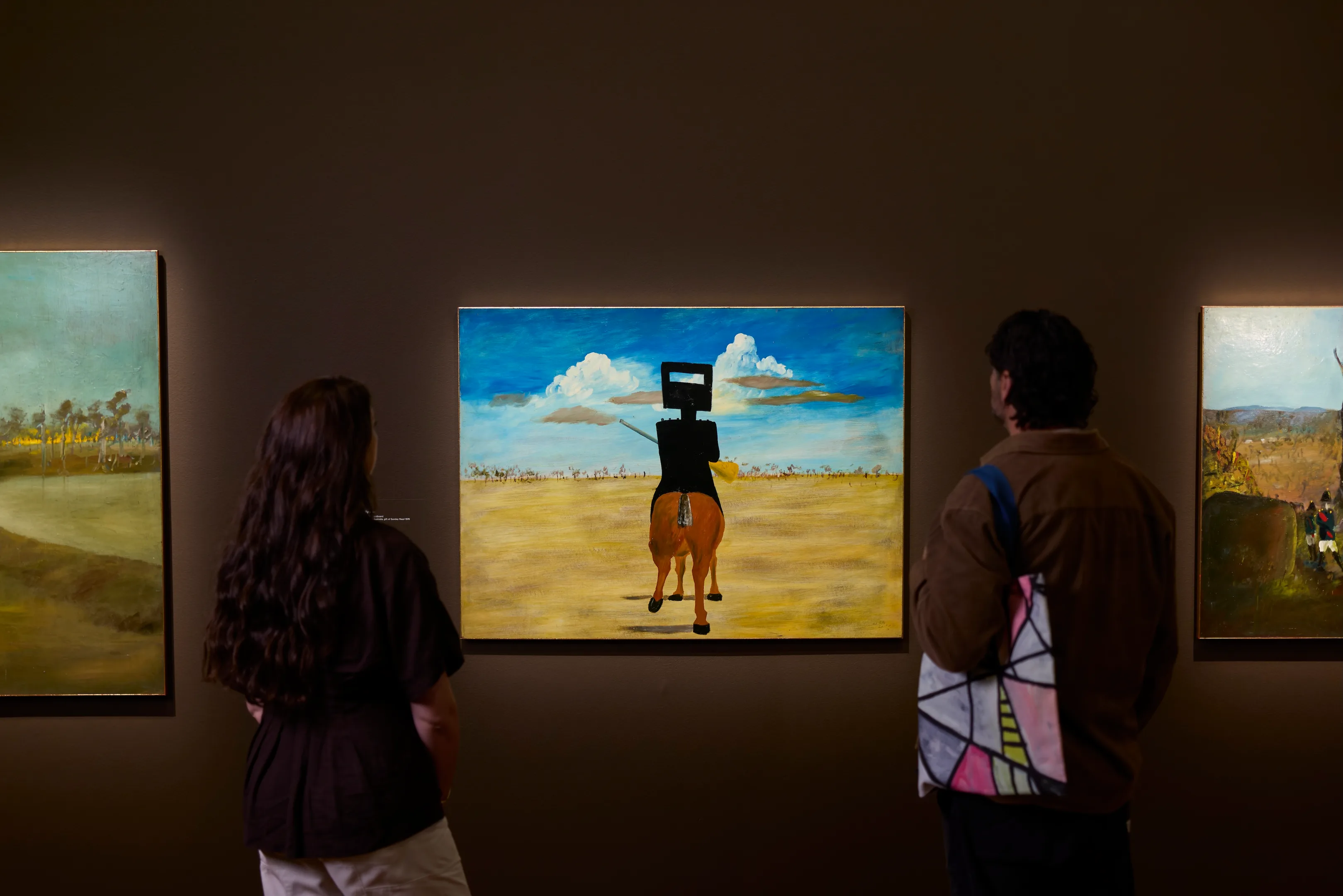
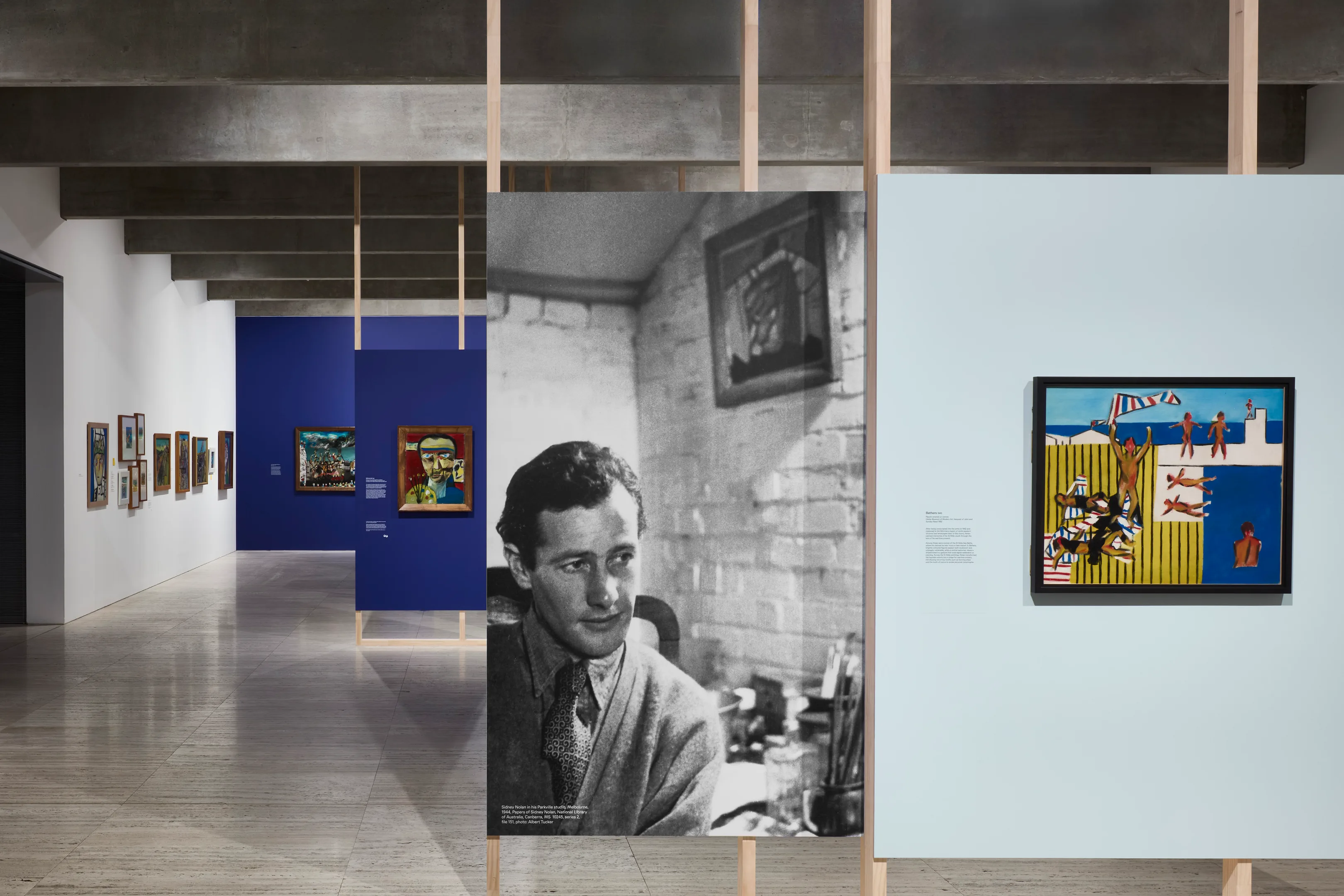
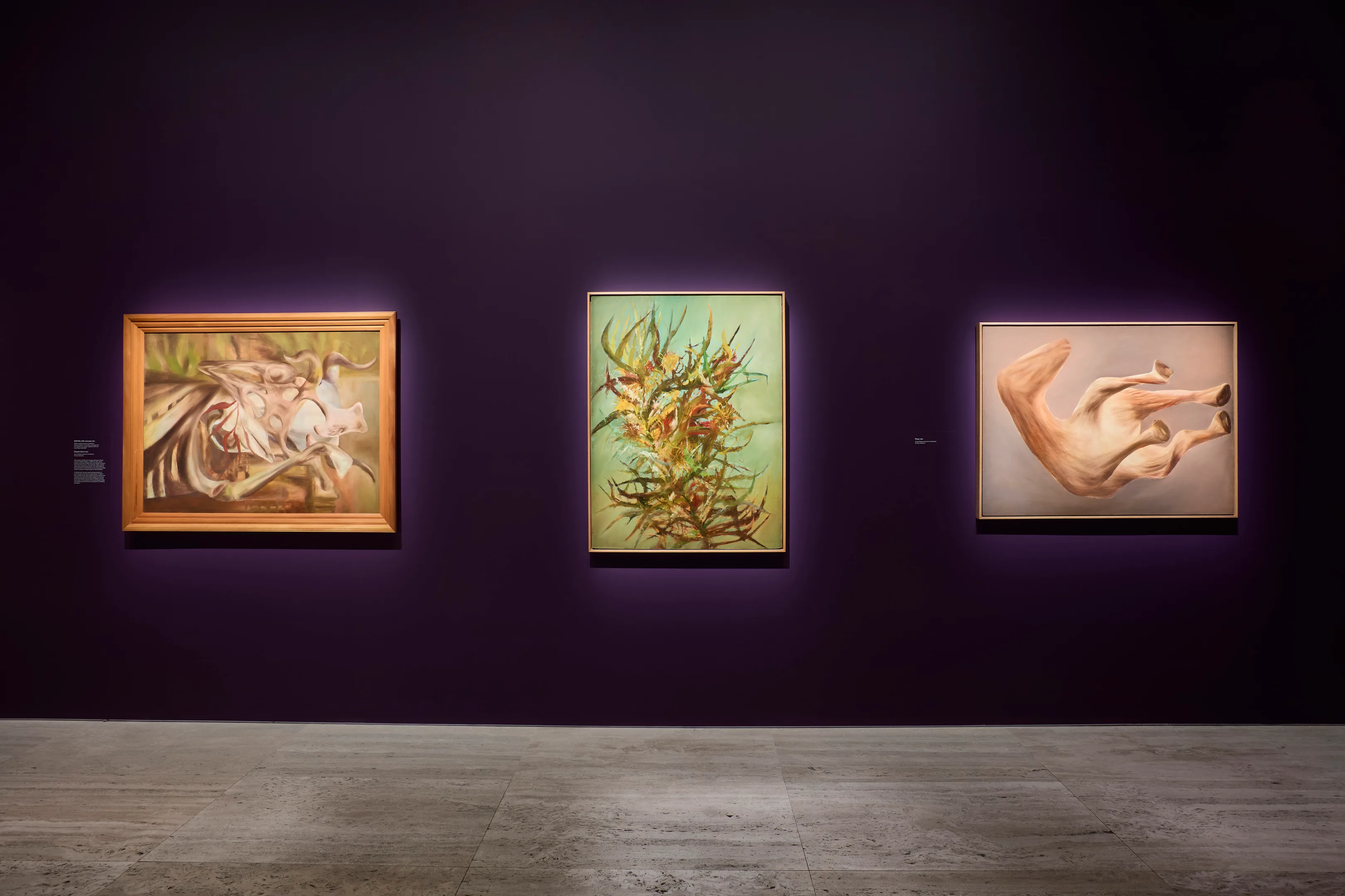
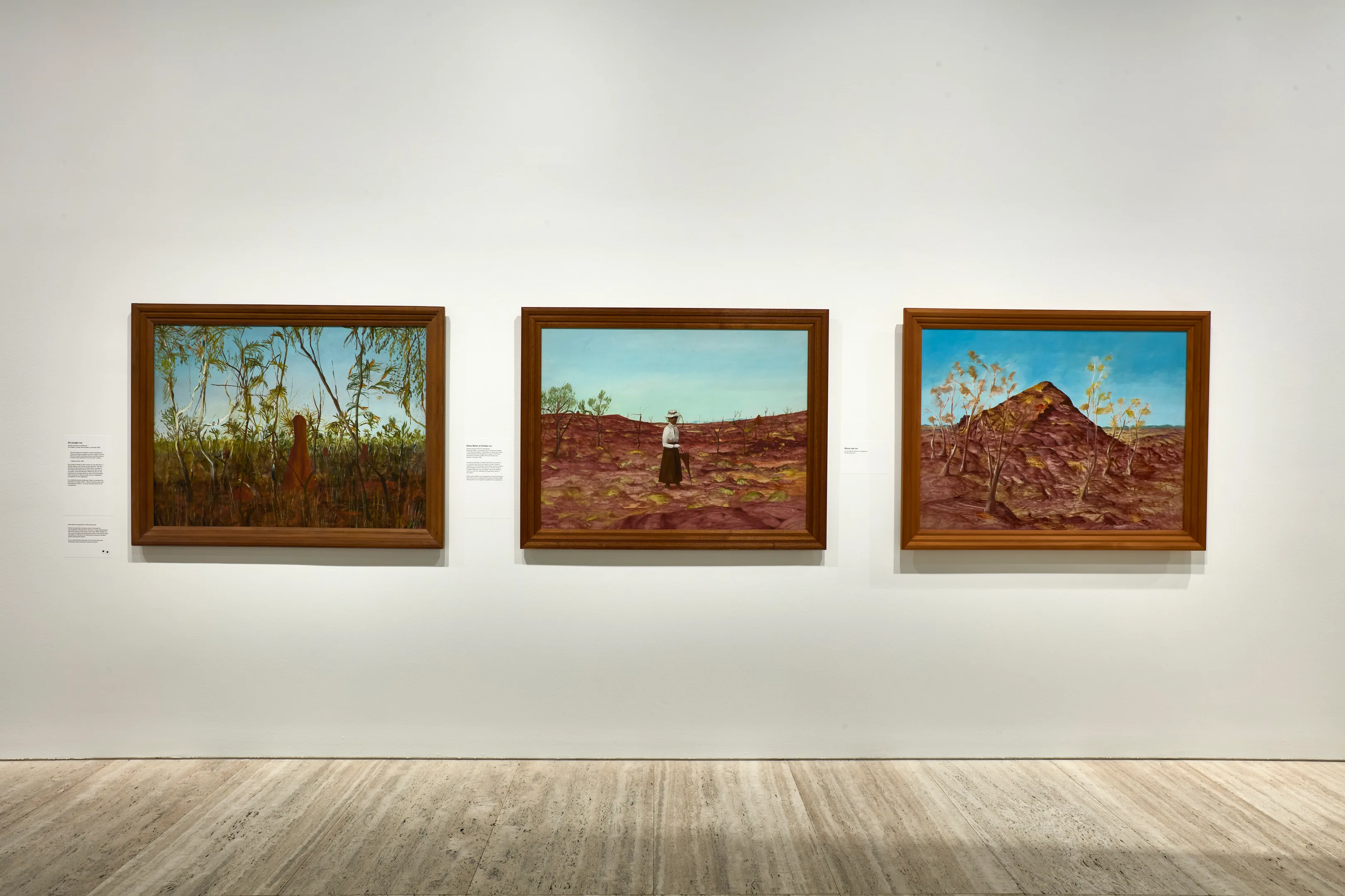
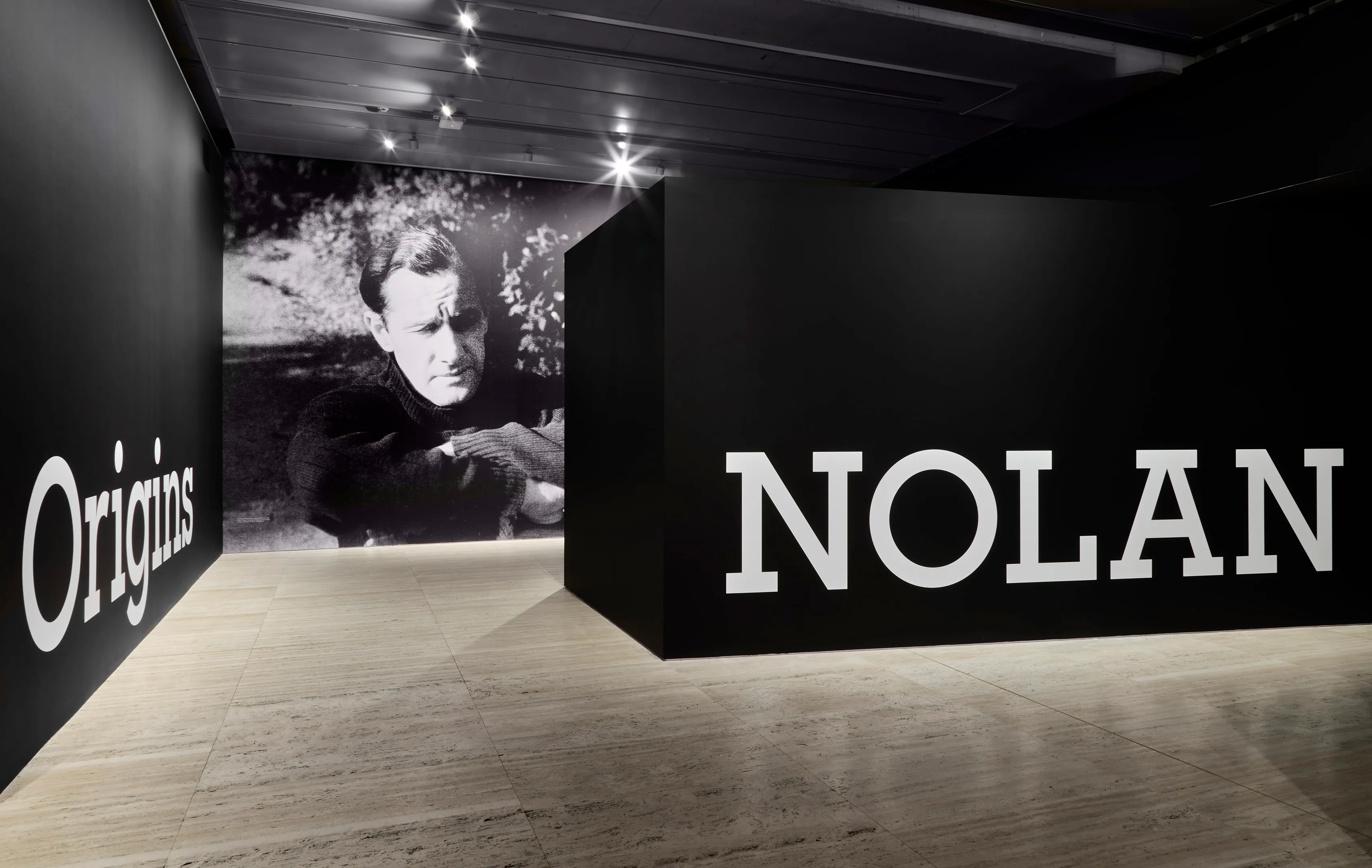
Few artists have shaped Australia’s image of itself like Sidney Nolan. The Melbourne-born painter is one of the defining figures of Australian modernism. His enigmatic paintings depicting the bush, arid interior landscapes and national myths brought dynamic new dimensions to the country’s visual identity.
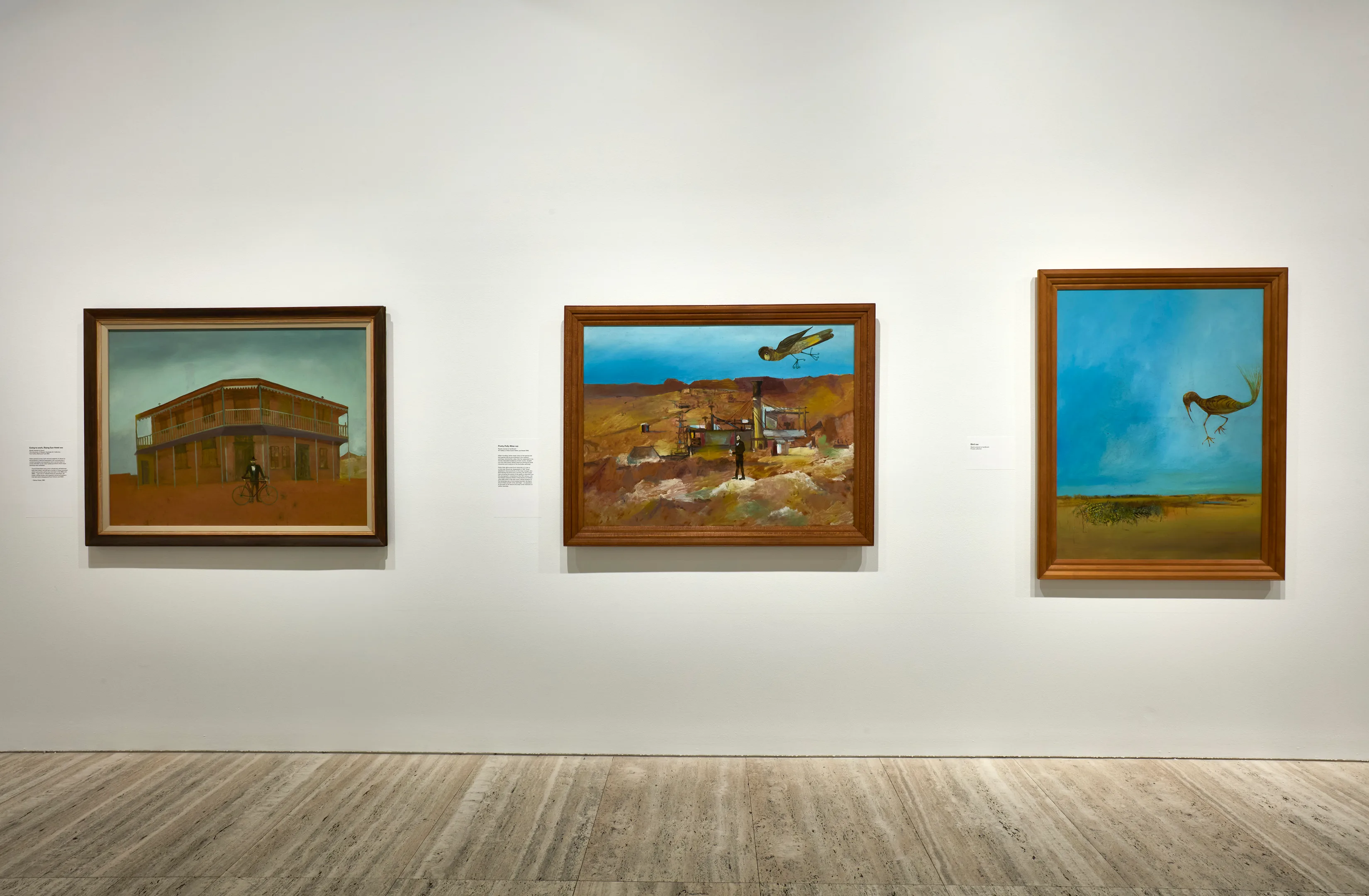
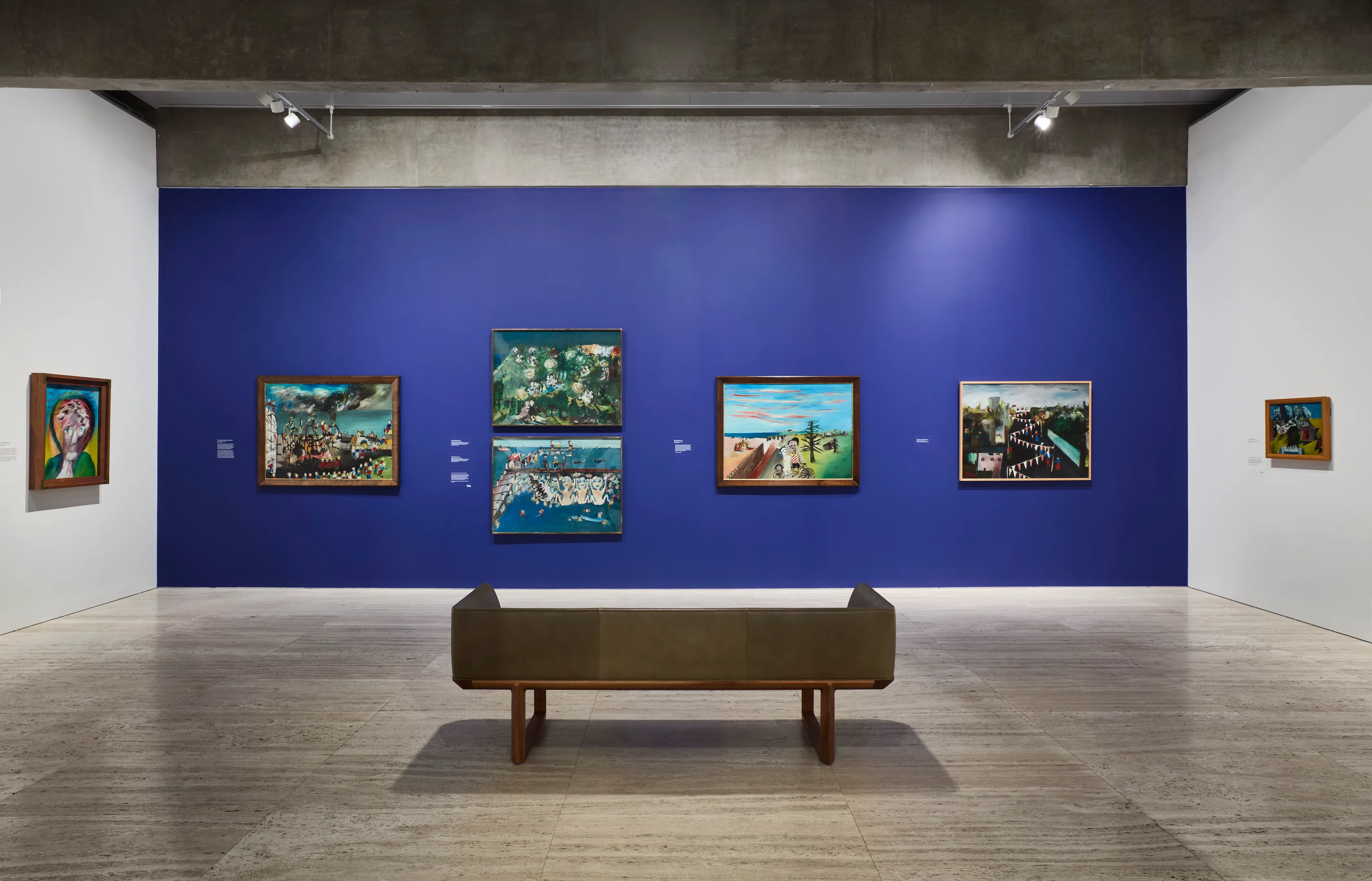
Now, the Art Gallery of New South Wales is bringing together his work in Nolan: Origins. The first major state gallery survey of Nolan to focus on the formative period of his career in Australia, the show spans the late 1930s until Nolan’s move to the UK in 1953. His travels across Victoria, North Queensland, Western Queensland, Central Australia and beyond are central to the works in the exhibition, with his experiences in these landscapes informing his visual language and his evolving approach to painting.
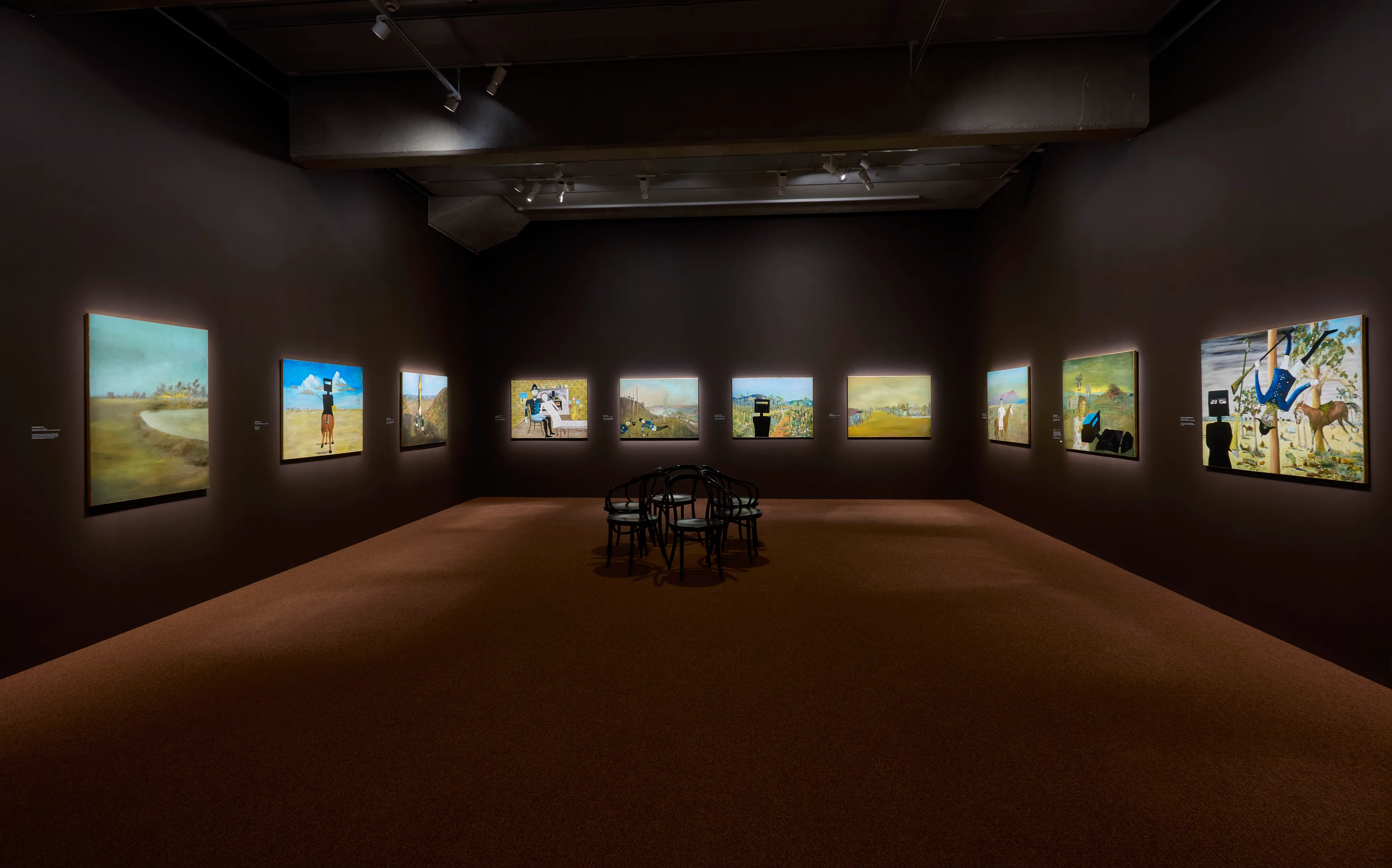
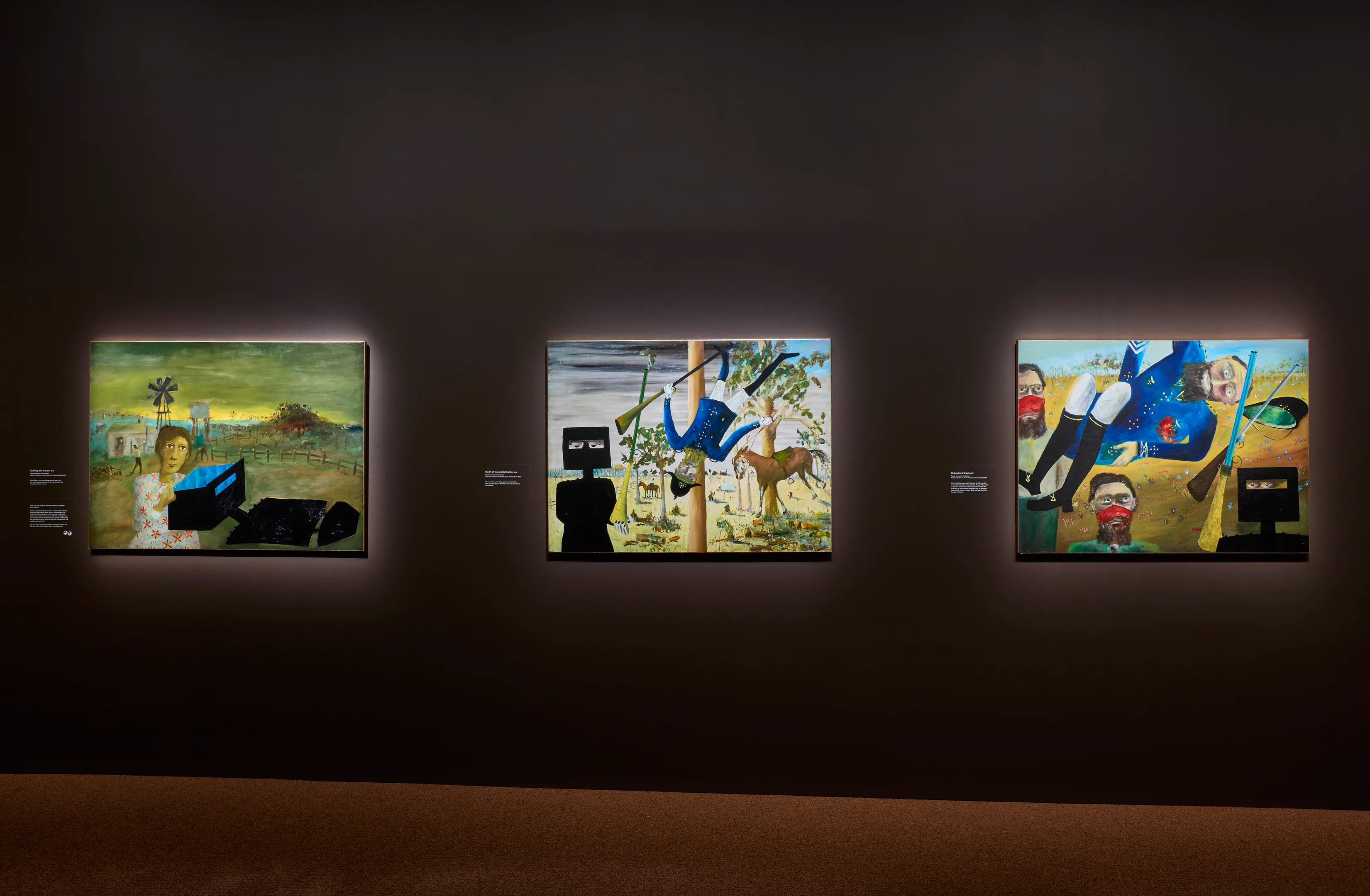
More than 150 works trace these transformations, including rarely exhibited paintings and the complete 27-painting Ned Kelly series, which will be displayed in Sydney for the first time in six decades.
We spoke with the Art Gallery of New South Wales’s senior curator of Australian Art, Denise Mimmocchi, about Nolan’s significance both in Australia and internationally, why Ned Kelly became such an important figure in his work and her favourite paintings on display.
Why was it important to specifically look at the period before Nolan’s departure to England?
I just felt that when approaching the idea of doing a Nolan show, his career and practice is so vast. He produced so much and his time overseas and his travels throughout his life took his work in many different directions. So I was interested in going back to the start and looking at this foundational, formative period when he was developing his art and trying to establish his own ideas about where he was going as an artist. I became increasingly aware that so much of that was in relation to his travels around Australia and his own self-discovery in terms of the landscapes of Australia.
From the period in the war when he turns to landscape painting, when he’s stationed out at the Wimmera, to his journeys throughout the north of Queensland and then into Central Australia – his work developed this symbiotic relationship with the landscapes of the country. And of course, Nolan was also deeply interested not just in the landscapes themselves, but also in the stories that he recognised as being embedded in them.
Why did it feel like the right time for this show?
If we’re looking at the idea of Nolan and him tackling the question of his relationship with Australia, or the very notion of an Australian identity, that idea is constantly shifting and expanding. A show where we’d be looking at these questions even 10 years ago, 20 years ago, is very different to how we approach them now. For wider Australia, the ongoing enlightenment from First Nations knowledge is a very important factor in how we approach these questions, and I think it also expands the framework of how we look at these Nolan works in 2026 as well.
Why do you think those paintings have remained so culturally resonant in Australia?
He was tackling questions of a national identity, if that is such a thing. Those questions remain ongoing and ever-changing, which is a reason for the ongoing relevance of Nolan’s work.
The Ned Kelly series is one of Nolan’s most recognisable works. Why did Kelly become such a compelling subject for Nolan?
The context of that series is very much a part of [Nolan’s] own story and his experiences during the war. So while it becomes something of a national myth or legend, it had a very specific context for Nolan. Nolan was conscripted into the army; he was stationed out at the Wimmera, and that’s when he became interested in painting the landscape. He was faced with the threat of being posted to New Guinea, so to avoid that, he deserted the army in 1943 and lived in hiding under an assumed name. In the 1930s, there was renewed interest in the history of Ned Kelly, and Nolan tapped into that figure at the time. I think he saw the story of Kelly as the outlaw or the rebel reformer and aligned that with his own situation. He also became very deeply interested in the historical Kelly. He read all the reports, the newspaper accounts.
His family legend also had it that his grandfather was one of the policemen who were chasing the Kelly gang. So he felt there was also a personal connection there as well. But it was really after the war, when Nolan went to visit Glenrowan, where the Kelly drama played out, that triggered him to start painting the series. The landscape was almost like a player in the Kelly narrative.
Nolan was also coming out of the experience of war. He was very focused on the notion of violence and while he hadn’t faced active combat, he was trained in the use of violence. Let’s face it, the Kelly story is very violent as well, and the idea of that undercurrent of violence, which was certainly entrenched in his psyche and for many in Australia at the time, was an important factor in the painting of that series as well.
Is this the first time a lot of these paintings will be on display?
It’s actually the first time in about 60 years that the full Kelly series is brought together [in Sydney]. When I say the Kelly series, I’m referring to the series as Nolan first exhibited them in 1948. He painted a lot of works with the Kelly figure, but he chose 27 paintings and he displayed them to show the playing out of the Kelly narrative. We’re bringing those 27 works back together. Twenty-six of them are now in the National Gallery of Australia, and one is in the Art Gallery of New South Wales, so it’s reuniting that stray Kelly work to show the full series as Nolan first envisaged them.
Was there anything you discovered while researching the exhibition that changed your understanding of Nolan?
For me, it always comes back to looking and relooking at the works themselves and what they tell us. I think one of the beauties or pleasing things about Nolan’s work is that it remains sort of slightly elusive and enigmatic. Something new that might’ve emerged is about how deeply inspirational or influential that connection with Australian landscapes was to him and the way that, as he travelled through Australia, all these different places that he visited prompted something new in his work.
If we’re looking at, for example, the Kelly series and that inspiration from the landscapes around Glenrowan, that is very different to the paintings we see that came out of North Queensland and K’gari / Fraser Island. They’re very different to the paintings that came out of his experiences of Western Queensland and Central Australia. It’s quite interesting how deep that connection was in terms of directing the experimentation of his art as well. That was a bit of a revelation to me.
What are some of your favourite pieces on display in the show?
It’s so hard to pick but one that I keep coming back to is in the Kelly series called Quilting the Armour. It’s based on Ned Kelly’s sister, Margaret Kelly, who is sewing into the famous Kelly armour, which seems like a really surreal thing, but it’s based on an incident that’s part of the Kelly history. It’s an image of this woman with a needle adding comforting padding into the very familiar shape of the Kelly armour, and it’s set against a very evocative, dusky landscape.
It’s a very beautiful moment in this series; it has a different feel to other paintings in it. For me, it’s this quiet, very affirming moment of the role of women in this whole history, and perhaps one might speculate and say perhaps the role of women in Nolan’s life and career as well.
We’ve spoken about Nolan’s impact in Australia. What was his significance overseas? How was he perceived?
The 1950s and ’60s in particular were a period when quite a number of Australian-born artists established a reputation overseas and were working overseas. Sidney Nolan was perhaps at the forefront of expatriate artists who had established a very fruitful career overseas, and of course, he also received a knighthood and was recognised for his services to arts and culture.
His reputation brought attention to the fact of an art world outside of the UK and Europe alone. It opened up the idea of experiences outside of those traditional centres of art and culture, and the idea that there is no real centre of an art world. It’s about making stories and creating art from your own experiences of place as well.
Nolan: Origins opens October 3 at the Art Gallery of New South Wales and runs until February 7, 2027. Tickets are $35 for adults and $30 for members.
About the author
Gitika Garg is Broadsheet’s assistant editor – art, design and style.
 Photo by Justin Sutcliffe © David Hockney_7-09acc157d8.webp)