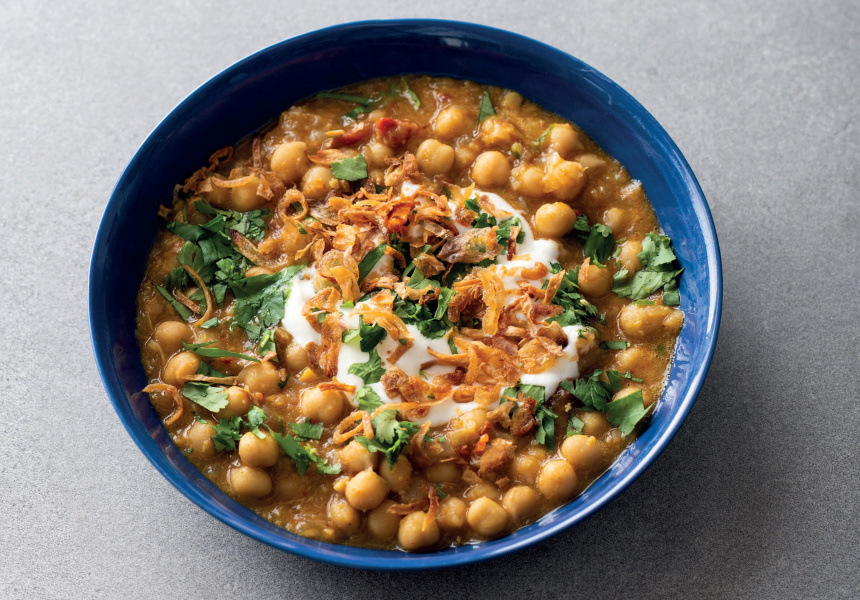
Five Specialty Dishes From Japan’s Chugoku Region That Are Worth the Journey
Words by Quincy Malesovas · Updated on 02 Nov 2026 · Published on 12 Oct 2026
Tokyo and Osaka are two of the world’s great dining cities, but they’re not the be-all and end-all when it comes to Japanese food. Once you leave the major hubs, the food changes with the landscape, climate and local produce, with dishes that are closely tied to the places they come from.
In the Chugoku region, that might mean oysters from the waters of Hiroshima Bay, sake made in one of Japan’s historic brewing towns, or noodles cooked and served on a hot roof tile in Yamaguchi. Some dishes are seasonal, others have become part of everyday local life, while some are tied to stories that have been passed down for generations.
If you’re travelling through the Chugoku region, these are five specialties worth making a detour for.
Hiroshima oysters
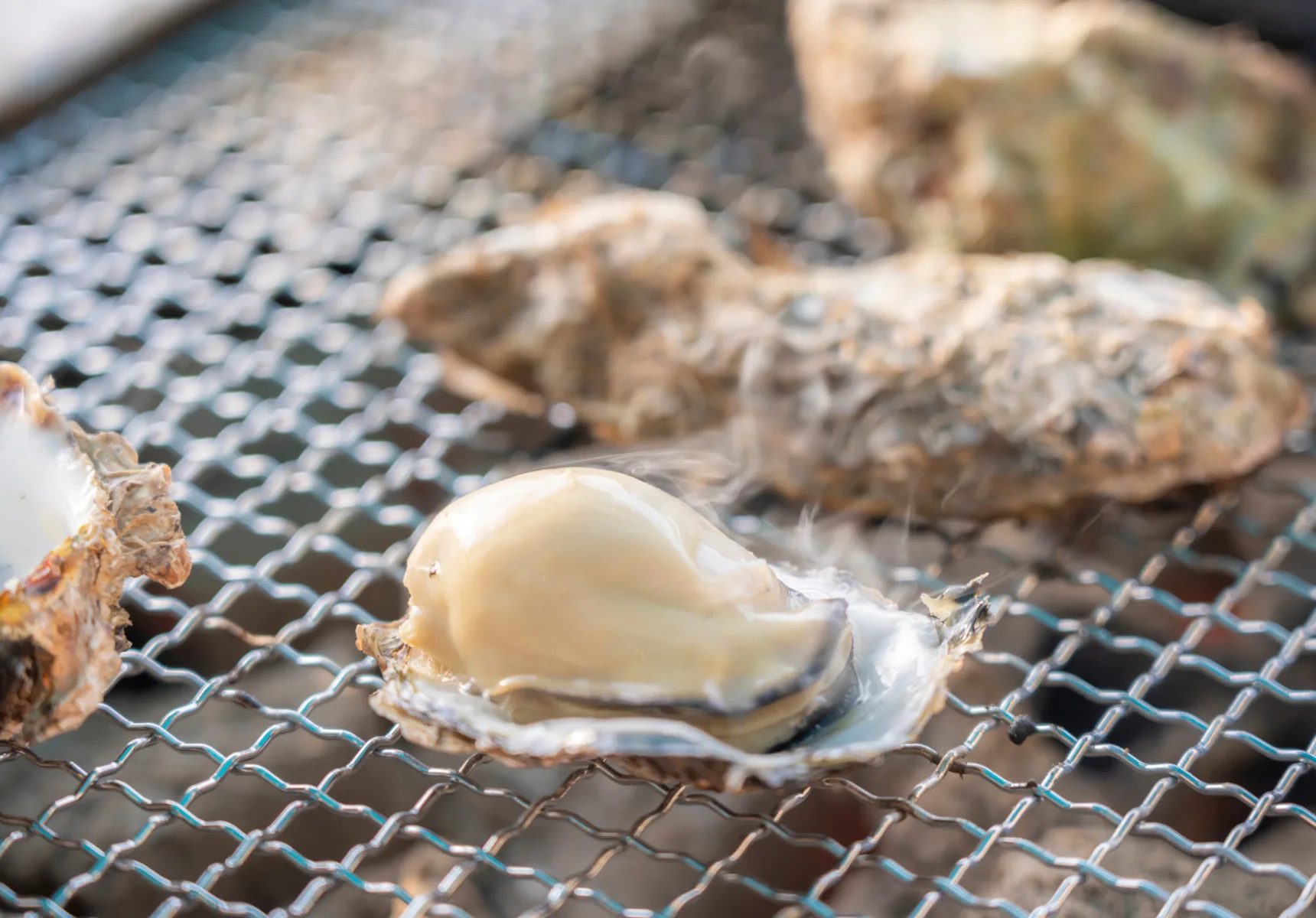
Oysters are one of Hiroshima’s defining local foods, with a farming history dating back more than 400 years. Grown in the calm waters of the Seto Inland Sea, these oysters are known for their large size, plump flesh and creamy flavour – making them one of the country’s most beloved varieties.
Eating them raw is an obvious choice, but there are plenty of other ways to try them. Yakigaki are oysters grilled in their shells over charcoal, while kaki furai are coated in panko and fried. They’re also cooked in kaki nabe, a warming oyster hotpot, and added to Hiroshima-style okonomiyaki, which is made with noodles.
Saijo sake
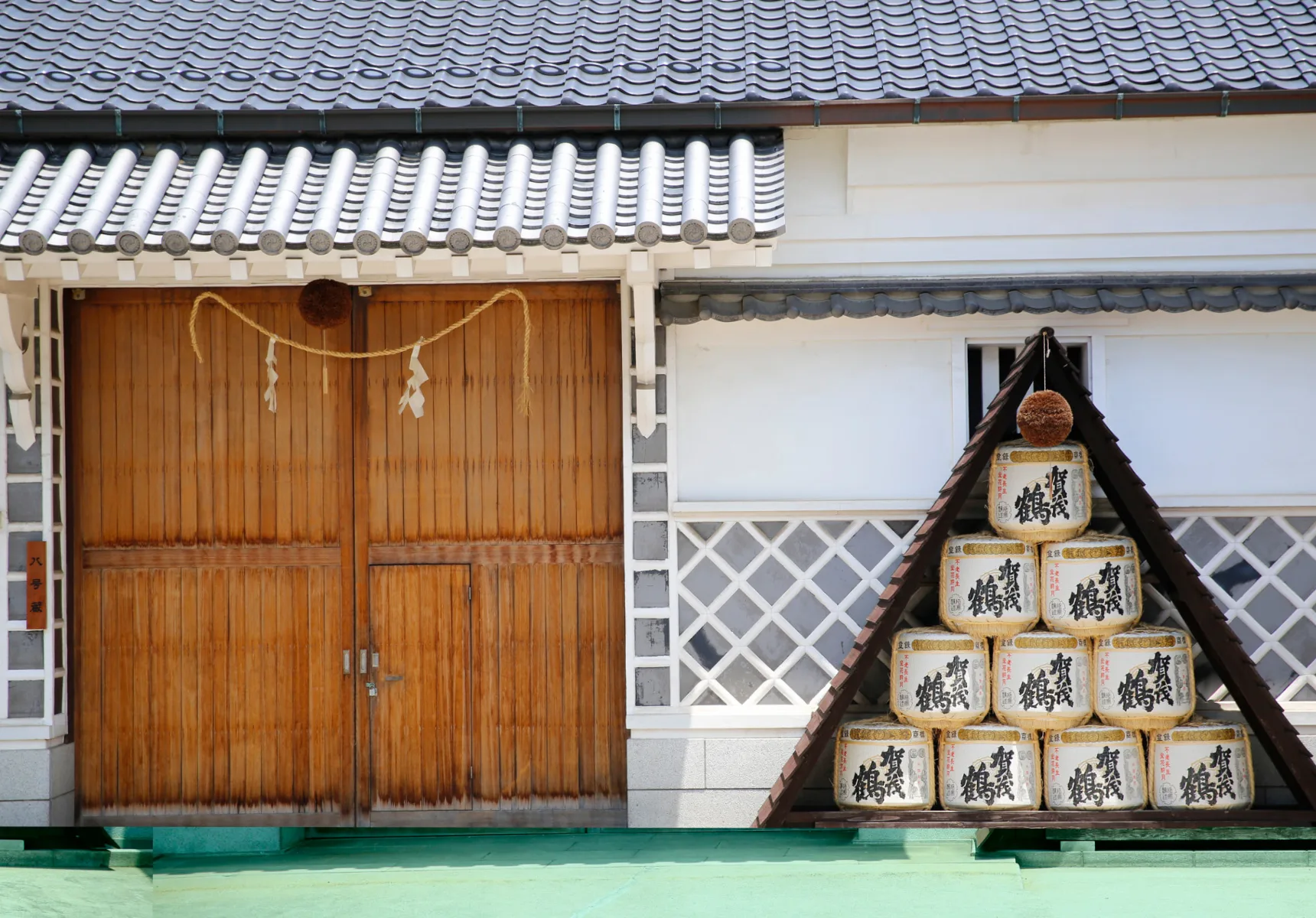
A short trip from Hiroshima City brings you to Saijo Sake Brewery Street, a historic sake region known for its cluster of breweries. The local brewing tradition is closely connected to its water, which is pure and mineral-rich, imparting a smooth flavour and a subtle floral aroma.
Hakubotan Sake Brewery, dating back to 1675, is the area’s oldest continuing brewery and a good place to start. Depending on the day, visitors can sample its sake and learn more about the brewing process, while a number of bars around Saijo also offer the chance to try different local varieties.
Kawara soba
On the western coast of the Chugoku region, you’ll find Yamaguchi, a prefecture known for its samurai history, stunning coastline and kawara soba. The dish gets its signature hue from green tea infused into the noodles. They’re topped with beef and shredded omelette, along with toppings like nori and chopped green onions, and typically a slice of lemon.
But the most distinct thing about it is the hot kawara, or roof tile, it’s served on, which gives it its name and signature crisp texture. The unusual cooking method is said to date back to soldiers who used the tiles to cook food during battle in the 19th century, and the practice has continued to this day.
Iwakuni-zushi
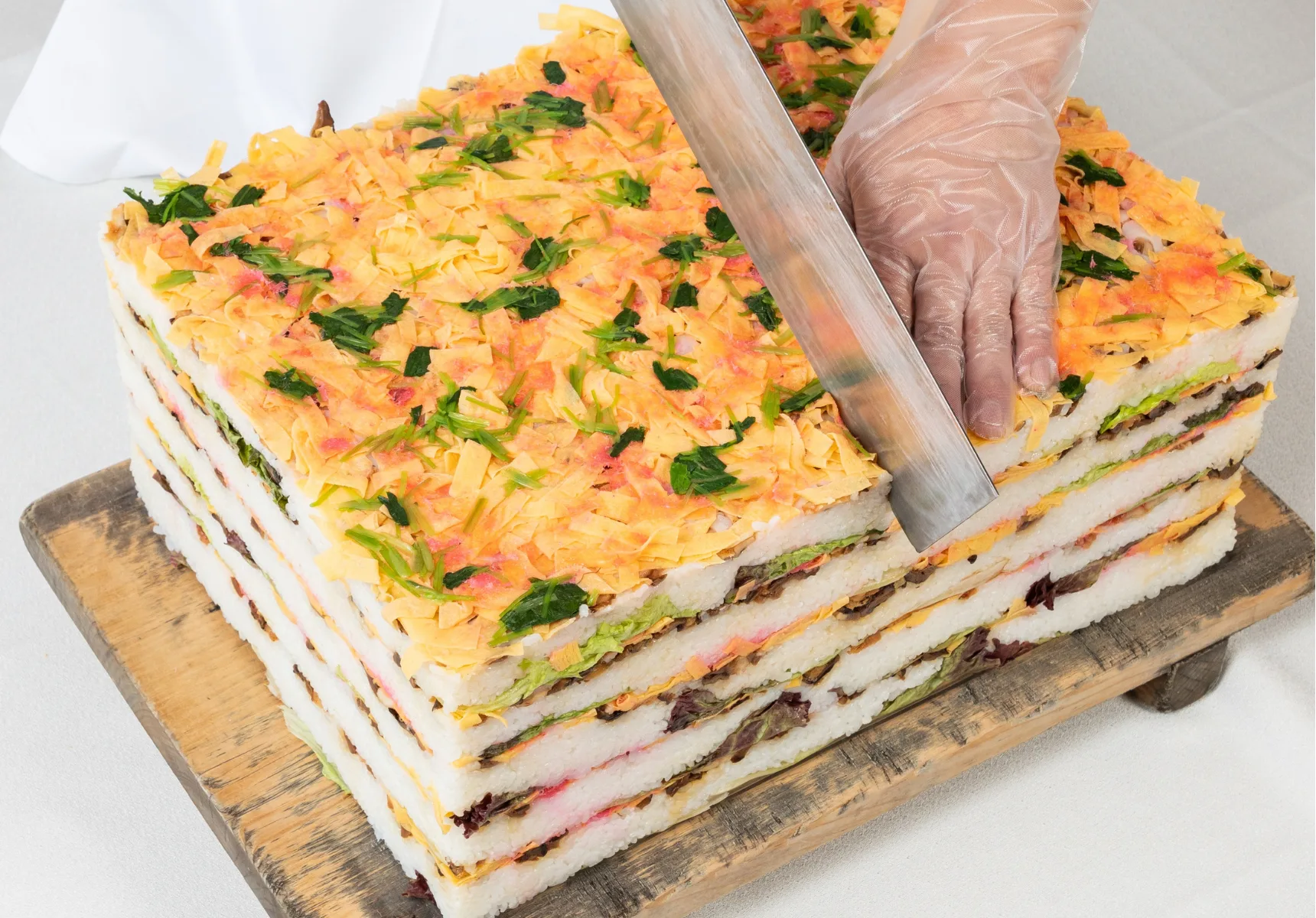
While sushi typically brings to mind nigiri, rolls or cones, iwakuni-zushi flips the format on its head. Hailing from Iwakuni in Yamaguchi Prefecture, this style is pressed into a mould, giving it a distinctive square shape.
It layers sushi rice, seafood and toppings like lotus root, shiitake mushrooms and omelette, landing somewhere between sushi and a rice cake. It originated as a portable food for soldiers during battle, before becoming a delicacy served to the local ruling family due to the time-consuming process involved in making it. Today, it remains a prized regional dish in Iwakuni.
Kibi dango
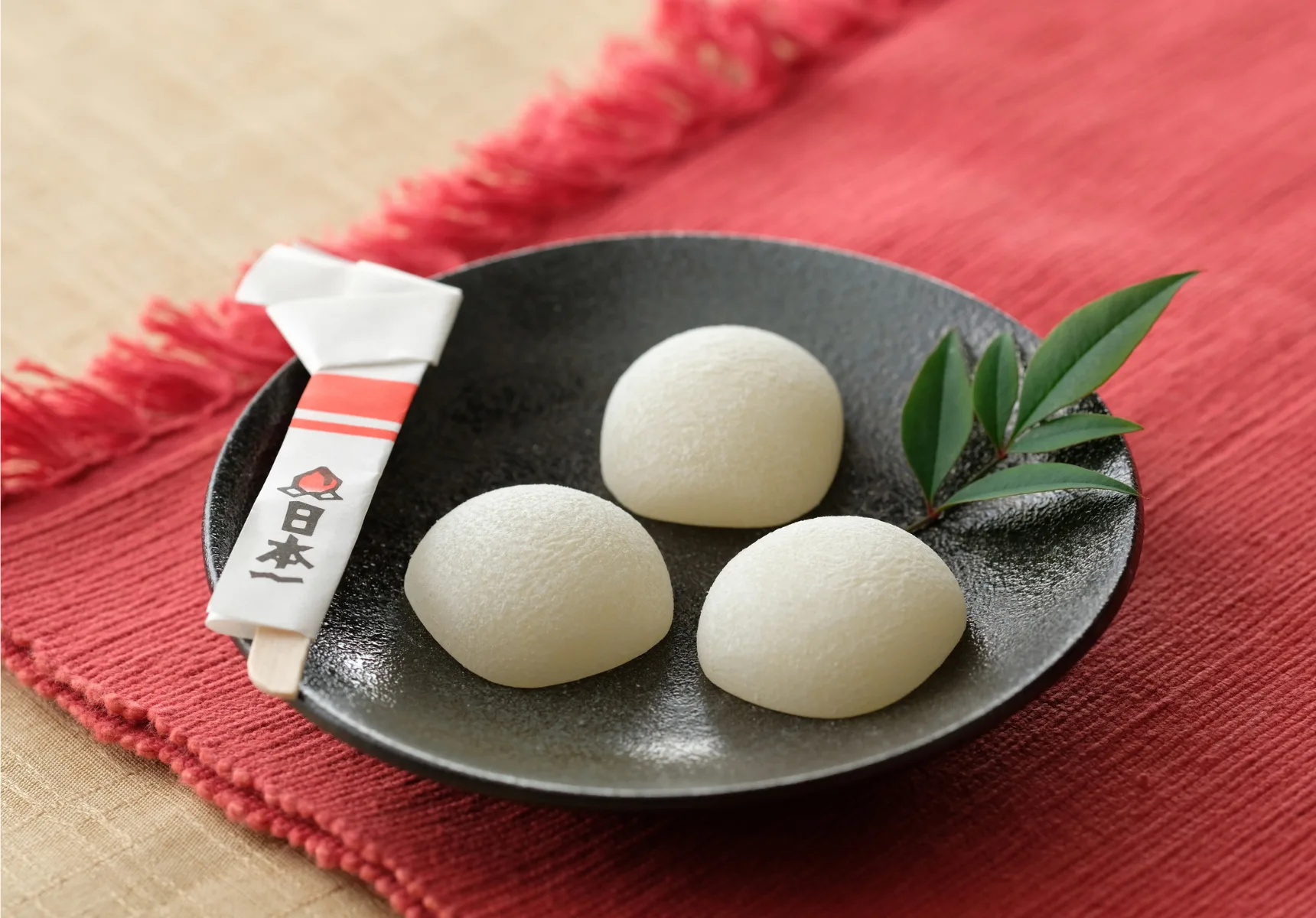
Mochi can be found all around Japan, but the one from Okayama is different. While most mochi uses rice flour, kibi dango traditionally also uses kibi, or millet, giving the small sweets their name and a distinct texture.
The popularity of the sweet is closely tied to the folk tale of Momotaro, or Peach Boy, who takes kibi dango with him as he heads to Onigashima, or Demon Island. Some versions even incorporate Okayama’s famous white peach, a local specialty you’re unlikely to find elsewhere.
This article is produced by Broadsheet in partnership with Japan National Tourism Organization.
About the author
Quincy Malesovas is a Melbourne-based freelance food writer, founder of Gruel and co-editor of Mince. She’s been writing for Broadsheet since 2019.

MORE FROM BROADSHEET

-dc0fce47ab.webp)

-8e7567febd.webp)

-4e20a4077b.webp)