TravelBoarding Pass: How Charlton Designer Henry Cousins Travels
Words by Nadia Bailey · Updated on 09 Nov 2026 · Published on 03 Nov 2026
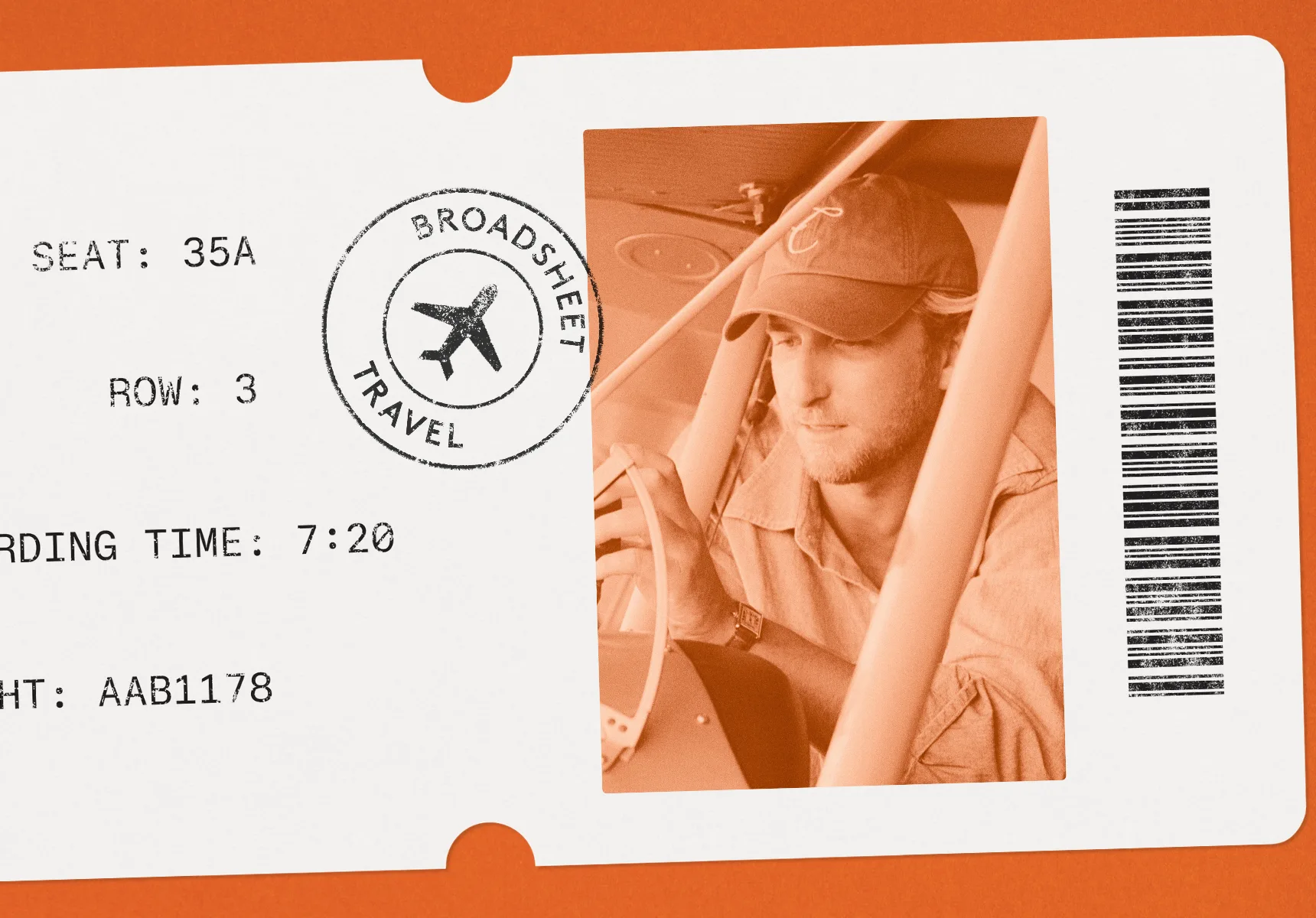
Henry Cousins is a photographer, filmmaker and the founder of Australian menswear label, Charlton. His instinct for crafting cinematic narratives has earned him commissions from some of the world’s most revered brands – including Chanel, Louis Vuitton, Mercedes-Benz and Tiffany & Co – while his work with Charlton focuses on refined menswear that’s understated, practical and designed to make life feel easier.
Originally from Australia and now based in London, Cousins designs “clothes for going somewhere”, crafted from premium Japanese textiles and defined by relaxed tailoring and a lived-in sensibility. Charlton’s newest range launches in November, with a collection built for movement, travel and everyday wear.
Here, Cousins shares the hotel he’s tempted to gatekeep, his fail-safe packing formula and the tiny Tokyo bar he’d get on a plane for.
Yuen Bettei Daita in Tokyo. I almost want to gatekeep it. The design is incredibly considered and the food is just as good, but it is the setting that makes it: tucked away near brilliant little music and record bars, it feels calm without being removed from the city.
Vathi on Sifnos. It is calm, unfussy and completely transportive. Tsikali sits right on the beach, so you can come out of the water and order with your feet practically still in the sand. It is hard to imagine needing much more.
Tokyo. The best nights there are not really planned; you follow the music, disappear into tiny dive bars and keep finding places hidden above, below or behind something else. The city rewards curiosity, and every night feels like you have stumbled into a world you were not meant to find.
Hampstead Heath in summer. London can feel relentless, but the heath gives you enough space to forget you are in the city. I will walk through the park with nowhere particular to be, sit in the grass and let the whole day slow down.
I am heading to Morocco for work, into the Atlas Mountains. I will be shooting a mini documentary about my friend Rob [Katz] as he records his next album. I am excited to see how the landscape and the rhythm of being there shape both the music and the film.
Les Puces de Saint-Ouen in Paris. I can lose hours moving between vintage menswear, furniture and records. I rarely go with a fixed list. The pleasure is spotting one beautifully made, slightly strange thing and eventually finding a place for it back at Charlton.
Tokyo, particularly Aoyama, Harajuku and Koenji. I go for menswear: specialist shops, vintage, Japanese workwear and stores where the fit-out is as considered as the stock. You can spend a day walking and come home with a completely different idea of proportion.
The Museum of Cycladic Art in Athens. I am always drawn to art and objects with a strong sense of place. That carries into the Charlton store, where I display collected pieces, including beautiful works my fiancée found in India that we had framed.
Greece, particularly Sifnos. I return for the pace, the light, the food and the way daily life still feels connected to the landscape. There is always another beach, village, walk or small piece of art to discover, but it never feels overworked.
The old footpaths across Sifnos. They link villages, monasteries and beaches, so the walk feels like a way of understanding the island rather than simply exercising. Some stretches are gentle and others are exposed, but the views across the Aegean make every climb worthwhile.
Hydra. There are no cars, so everything immediately slows down. You arrive by water, walk through stone lanes and spend the evening outside with the harbour in view. It is elegant without feeling polished for visitors, which is probably what makes it so romantic.
A long lunch at Tsikali in Vathi, Sifnos. We came straight from the water and ate chickpeas, cod and Greek salad beside the beach. Nothing about it was complicated, but the setting, the produce and the complete lack of urgency made it unforgettable.
Levain in Tomigaya, Tokyo. It is small, warm and completely focused on naturally leavened bread. I usually leave with more than I intended, but the dense fruit-and-nut loaves are the first thing I look for.
Little Soul Cafe in Shimokitazawa, Tokyo. It is a tiny listening bar lined with records, with the owner choosing what plays. You settle in with a drink and let the room dictate the night. It captures what I love about Tokyo: obsession, intimacy and discovery.
Bar Martha in Ebisu, Tokyo. The room is dark, the sound system is exceptional, and the music is treated with complete seriousness. It is the kind of place that makes listening feel like the whole reason for going out, rather than background to it.
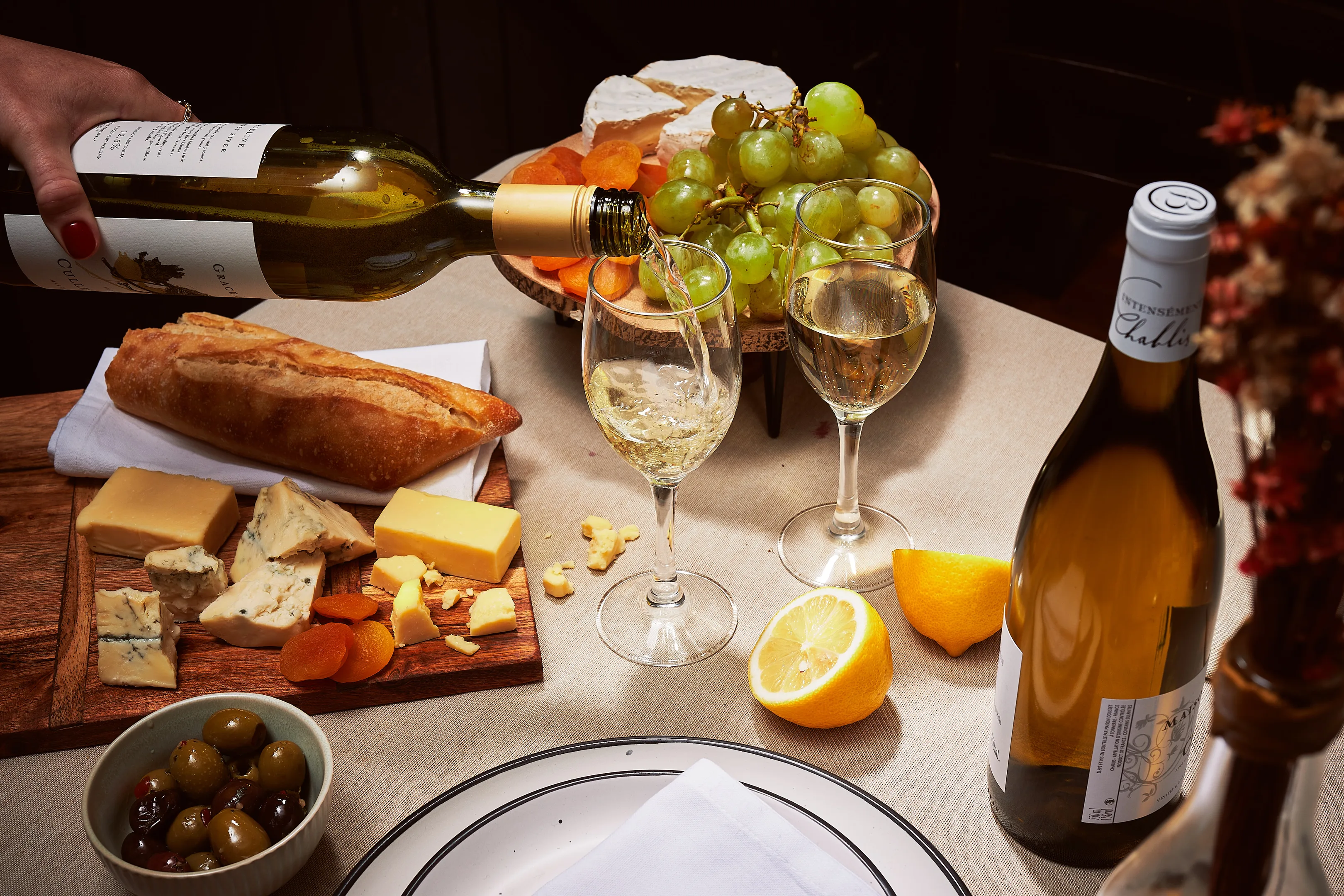
Santorini. The volcanic landscape gives the whole experience a sense of place before you even taste the wine. I would drink a dry Assyrtiko: mineral, saline and perfect with the food you want to eat beside the Aegean.
Noise-cancelling headphones, a compact camera and a soft knit. Plus a great carry-on bag.
Carry-on whenever I can. I pack a restrained palette, so everything works together, then build around a few reliable pieces: pleated trousers, shirting, a soft knit and an overshirt. I would rather repeat a good uniform than spend the trip managing luggage.
Relaxed pleated trousers, a soft shirt, knitwear and an overshirt with useful pockets. Comfort matters, but I still want to feel properly dressed when I arrive. The best travel clothes hold their shape, layer easily and look better after being lived in.
A good moisturiser, lip balm and sunscreen. Flying and changing climates make simplicity more useful than a complicated routine. I keep all three in my carry-on so I can use them during the flight and again as soon as I land.
A compact camera, noise-cancelling headphones, a universal adaptor and as few chargers as possible. I want the camera available at all times, but otherwise try to keep the technology unobtrusive so I am actually noticing where I am.
Change into the destination time zone as soon as you board. I set my watch, eat and sleep according to where I am going, then use headphones and an eye mask to make the cabin disappear as much as possible.
Get outside immediately. Daylight, a long walk and a swim if one is available work better for me than staying in the hotel. I try to eat at the local time and stay awake until a respectable hour.
AmiGo for recommendations from people whose taste I trust, Google Maps for saving everything into neighbourhood lists, and Google Translate when politeness outruns my vocabulary. I like to plan enough to create a loose structure, then leave room to follow whatever I find.
Boarding Pass is a Broadsheet series where we speak to tastemakers and travel pros about how, where and why they travel. Last time, we spoke with Anibou’s Phillip Burrows.
About the author
Nadia Bailey is Broadsheet’s travel editor.


More from Broadsheet
Videos
More Guides
Recipes




-6e9e4d4cb1.webp)
-c121bced4e.webp)