Food Markets, Salsatecas and Hikes: 48 Hours in Santiago
-c9d19cd50f.webp)
-96eac710bd.webp)
-d02f6c3770.webp)
Words by Grace Mackenzie · Updated on 09 Aug 2026 · Published on 03 Aug 2026
Did you know that you can get to Latin America in under 13 hours? I was (pleasantly) shocked to realise this recently, when I was looking at flights to Buenos Aires for a good friend’s wedding. She was marrying an Argentinian, and we were happy travelling guests, visiting the continent for the first time.
First up, flying to Santiago with LATAM: the trip clocks in at 12 hours and 35 minutes from Melbourne, and there are daily direct flights during peak travel season. From there, it’s easy to jump on another flight across the airline’s network to Brazil, Colombia, Ecuador, Peru and more. But I’m not one to dash through, so we stayed and explored Santiago for a while before flying across the continent to our final destination.
Chile’s capital is often overshadowed by other destinations like Buenos Aires, Rio, Lima or Patagonia – but its underrated reputation means less crowds as you take in mountain views, thrilling hikes, cable car rides, local markets, neighbourhood restaurants and other hidden gems. I booked two nights – and it turned out to be 48 hours of exceptional food, expansive views and infectious city energy.
Checking in
We stayed in Barrio Italia, a neighbourhood we picked for its cobbled streets with leafy canopies, lovely dining rooms and proximity to the sights at the top of our list.
We booked – and loved – Maison Italia 1029. Important caffeine note: ID Coffee is just 550 metres down the block, while Neko-San, a charming new Japanese cafe and onigiri shop from chef Nicolas Tapia, is a nice 25-minute walk away. Providencia and Lastarria are also great options for a short stay.
Day one
Morning
Cerro San Cristobal is a spectacular introduction to Santiago. The hill is a 720-hectare green space, and the sweeping vistas from the top quickly reveal the scale of the city, which is home to around seven million people. The walk up isn’t breezy. You’ll sweat as you wind your way up the cactus-studded path before reaching the Sanctuary of the Immaculate Conception, where the Virgin Mary looks out over the largely Catholic capital. Start at the Pio Nono entrance and you can choose to let the old-school funicular do the heavy lifting on the ascent instead. Either way, allow time at the top to take in the Andes and the endless stretch of the city below.
On your way back, track down a street cart selling mote con huesillos. Served in a cup, it’s part drink, part snack: whole dried peaches (huesillos) rehydrated in cinnamon-spiced syrup, ladled over cooked hulled wheat. It’s sweet, refreshing and surprisingly filling. Or grab a paleta de helado – an ice-cream or fruit iceblock on a stick.
Afternoon
Hitch a ride on the cable car back down San Cristobal and you’ll land on the opposite side of the hill, perfectly placed for lunch at Galindo. The corner joint’s been running since 1968, serving homestyle Chilean food. Order empanadas, ceviche and chorrillana – fries topped with steak, onions and fried eggs.
From there, wander through Parque Forestal into Lastarria, a small area that’s popular for its skinny streets with local stalls, thriving hospitality scene and European-influenced architecture. Visit on a weekend to catch the flea market.
Nearby is La Chascona, the home Nobel Prize-winning poet Pablo Neruda built for his secret lover, Matilde Urrutia. Now preserved as a museum, it offers an intimate glimpse into their life together, complete with artworks gifted by Neruda’s friend Diego Rivera. Afterwards, stop by Bocanariz Vinobar for cheffy plates and natural wines from across Chile.
Evening
Dance till late in Bellavista – an arty neighbourhood with lots of bars and restaurants. Start with a Terremoto – a Chilean cocktail made with pipeno white wine, pineapple ice-cream and grenadine – before heading to Salsoteca Maestra Vida, the longest-running salsa club in Santiago. Expect live bands or DJs, plus a welcoming energy for both beginners and pros. A late-night completo is a must: a hotdog topped with the lot. It’s a local classic.
Day two
Morning
A city’s produce market is one of my favourite places to explore. At Santiago’s Central Market, a fruit farmer tore open a juicy apricot for me to try – then I immediately bought more, plus a giant scoop of blueberries for the day ahead. The building first welcomed crowds in 1872, and opens at 7.30am every day. You’ll find queso chanco (a gently flavoured cheese), roasted nuts and local snacks, but the fresh seafood is the real draw. Head in early to see the market come alive with locals and chefs shopping for the best catch. Staff from different stalls will call out to you, trying to win your patronage. Find a smaller stand around the edge and make sure to order centolla (Patagonian king crab), served simply with lemon. Or try chupe de jaiba, a cheesy, creamy casserole-style dish rich with crab meat. The ceviche throughout the market is exceptional, too.
Outside the market is Emporio Zunino, one of Chile’s oldest cheese and pasta producers and distributors. You’re here for a hefty empanada, though. The baked goods are golden and weighty, reaching your hands piping hot and wrapped like a present – in brown paper tied with string. The cheese versions have a super buttery puff-style pastry; the meaty serves are stuffed with beef, olives and a whole egg.
Afterwards, wander through Plaza de Armas and the surrounding downtown streets, or visit Centro Cultural La Moneda – a hub that includes galleries, shops, spaces for community workshops, a cinema and places to eat.
Afternoon
A stop at Fuente Alemana must make it into your precious 48 hours. The family-run sandwich institution has been a local favourite since it opened in 1954. The founders are credited with inventing the lomito, a two-hands-needed sandwich stuffed with thin slices of pork, which has since become popular across the continent. There are two locations in Santiago, but visit the original to sit at a U-shaped counter in front of an open kitchen, chefs buzzing around inside. Order the lomito, of course. Make it an Italiano if you’d like avocado, tomato and a generous swipe of house-made mayo.
Evening
Pisco Sours are on the agenda – a drink indelibly linked with the neighbouring country of Peru. If you’re staying in Barrio Italia, head to Casaluz for a winning house version using Chilean pisco. Or try Chipe Libre in Lastarria, which proudly calls itself the “Independent Republic of Pisco”. A meal at either of these bars is a good idea, especially if ceviche is involved.
For what many consider the best ceviche in Santiago, book La Calma by Fredes, currently number 57 on Latin America’s 50 Best Restaurants longlist. Or reserve a table at celebrated fine diners Borago Vitacura and Pulperia Santa Elvira.
Got extra time?
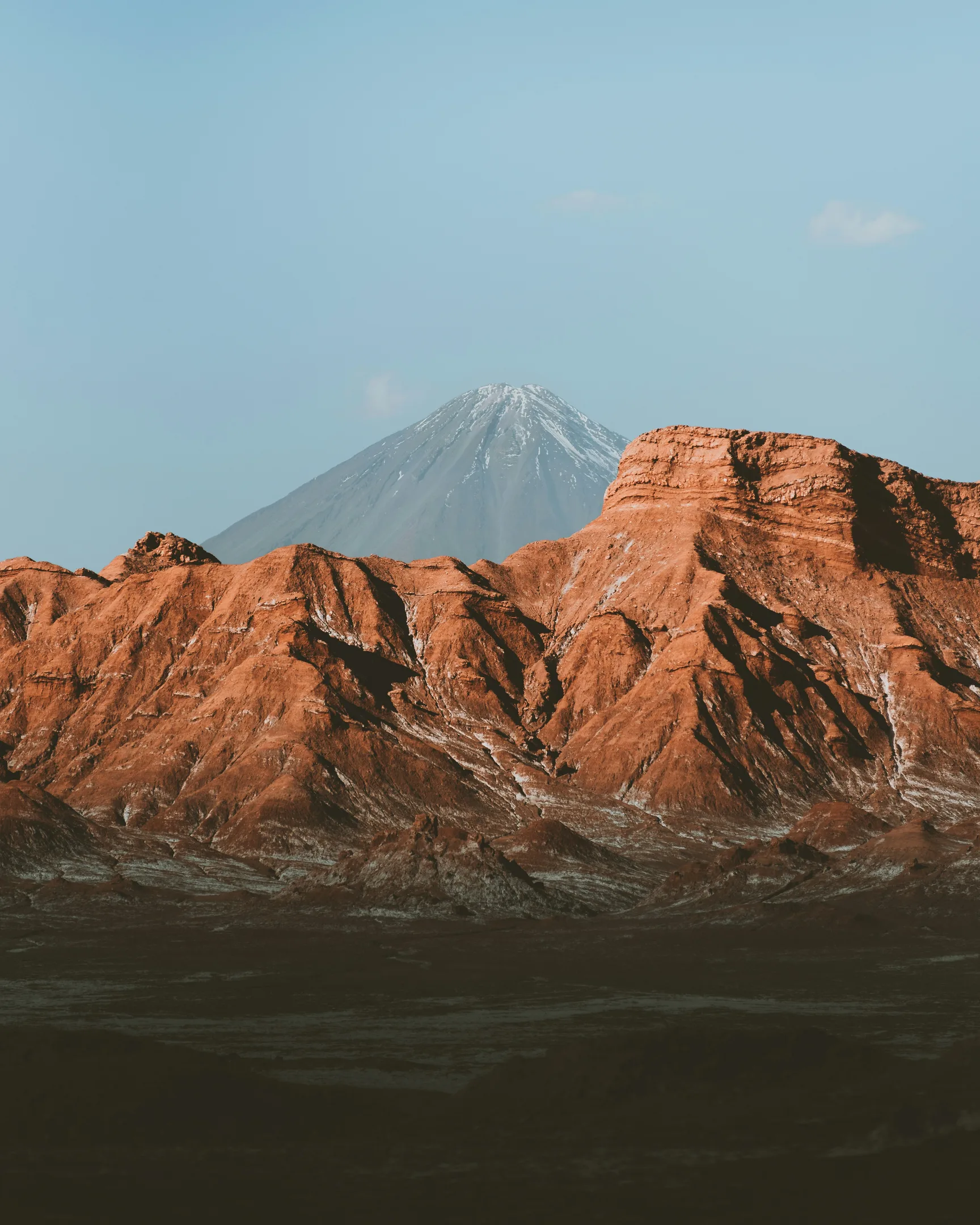
Take a day trip to the Baháʼí Temple of South America, a futuristic, glass-wrapped temple open to all religions. Valparaiso, Chile’s former capital, is just over an hour away by car (or slightly longer via bus). It has a slower, breezier energy than Santiago, with rows of rainbow homes and heritage funiculars. Or head north to the Atacama Desert for vast red sandy landscapes, salt flats and clear night skies.
Where next?
LATAM’s daily direct flights from Melbourne to Santiago are a major win – only a few hours longer than a trip to Thailand, Japan or Sri Lanka. Spending a few nights in Santiago is the perfect way to get your bearings before continuing on to Lima, Buenos Aires, Bogotá or Rio de Janeiro.
This article is produced by Broadsheet in partnership with LATAM Airlines and Melbourne Airport.
-a3bb324b75.webp)
Produced by Broadsheet in partnership with LATAM Airlines and Melbourne Airport.
Learn more about partner content on Broadsheet.
About the author
Grace MacKenzie is Broadsheet Sydney’s food and drink editor.
-e1ebcdd042.webp)
MORE FROM BROADSHEET


-cc7203651b.webp)