Home & LifestyleWe Asked Three Founders Why Their Businesses Still Choose To Be Australian Made
Words by Anthea Batsakis · Updated on 07 Oct 2026 · Published on 07 Oct 2026


You know the logo, that green triangle and golden kangaroo. For 40 years it’s marked products to tell us we’re buying something made in Australia. The logo is a surefire way to know that the money spent on whatever you’re buying goes back into our community of makers, growers, designers and manufacturers.
We know this is important; market research has found four in five shoppers value buying Aussie-made goods to support local jobs and ensure they’re getting top quality goods. But for local businesses, earning that Australian Made label isn’t easy due to limitations on materials and competing with the price of goods mass-produced overseas.
We caught up with three businesses with Australian Made certification to learn what it takes to create products on home turf, why it’s important and what makes it all worth it.
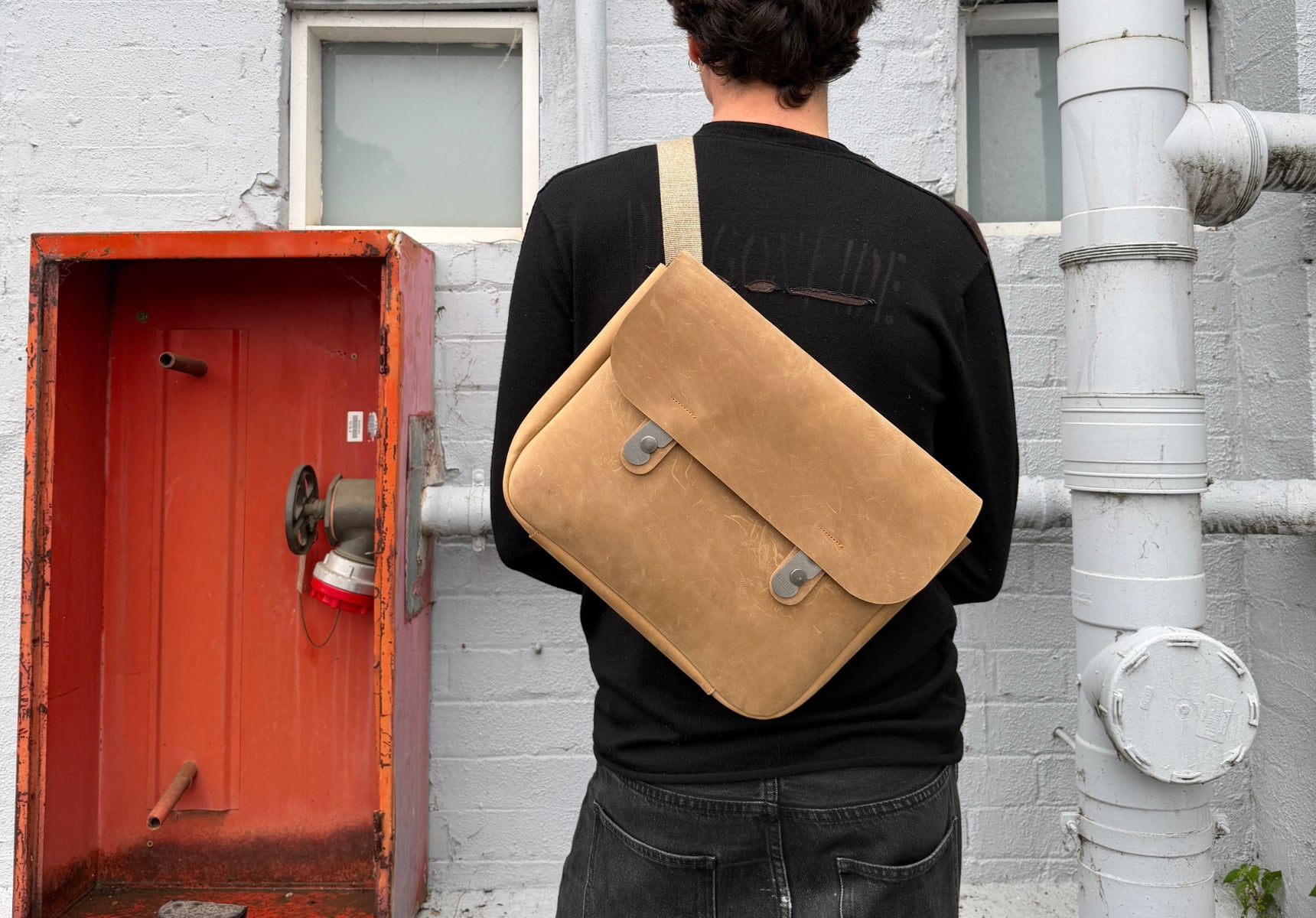

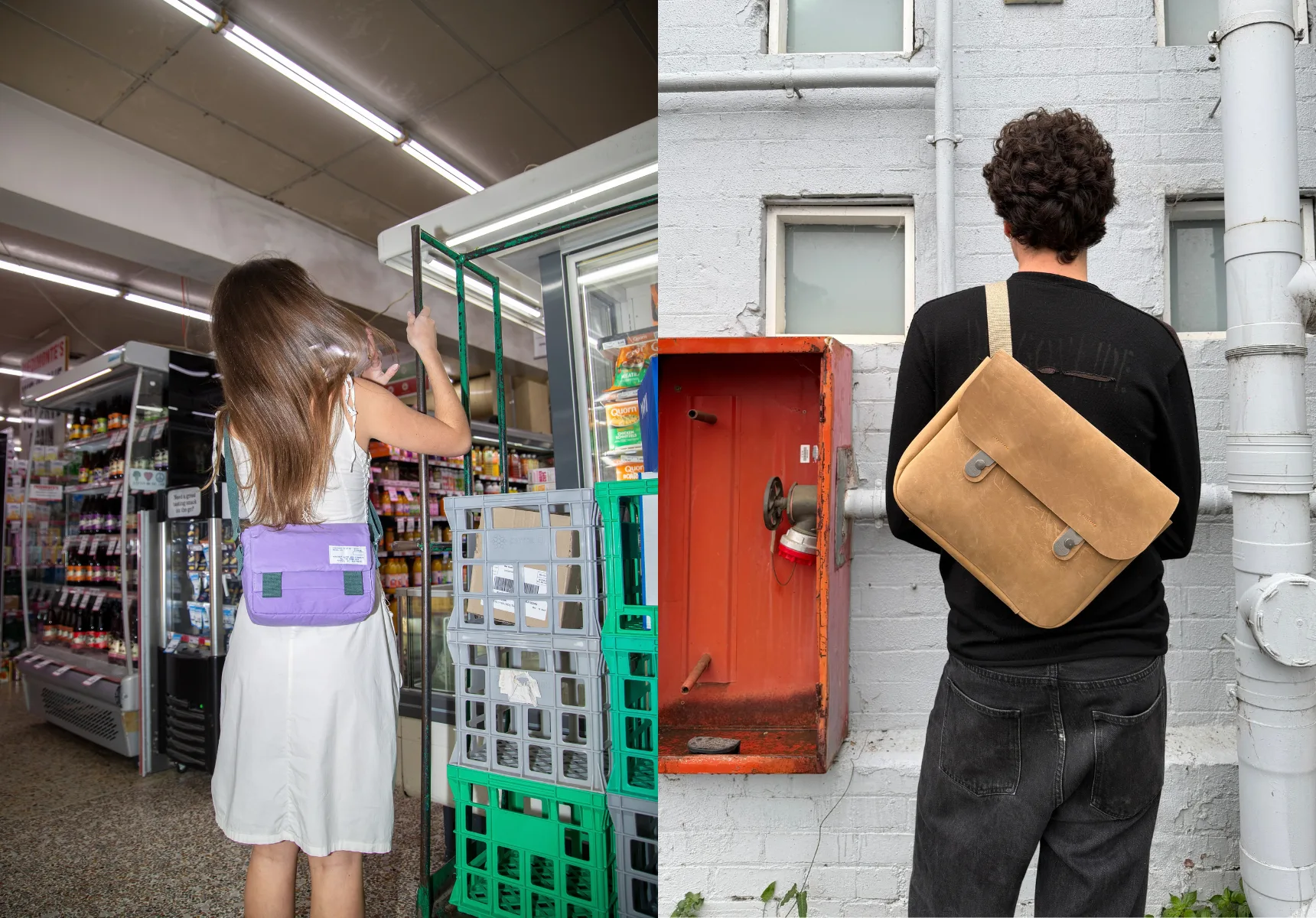
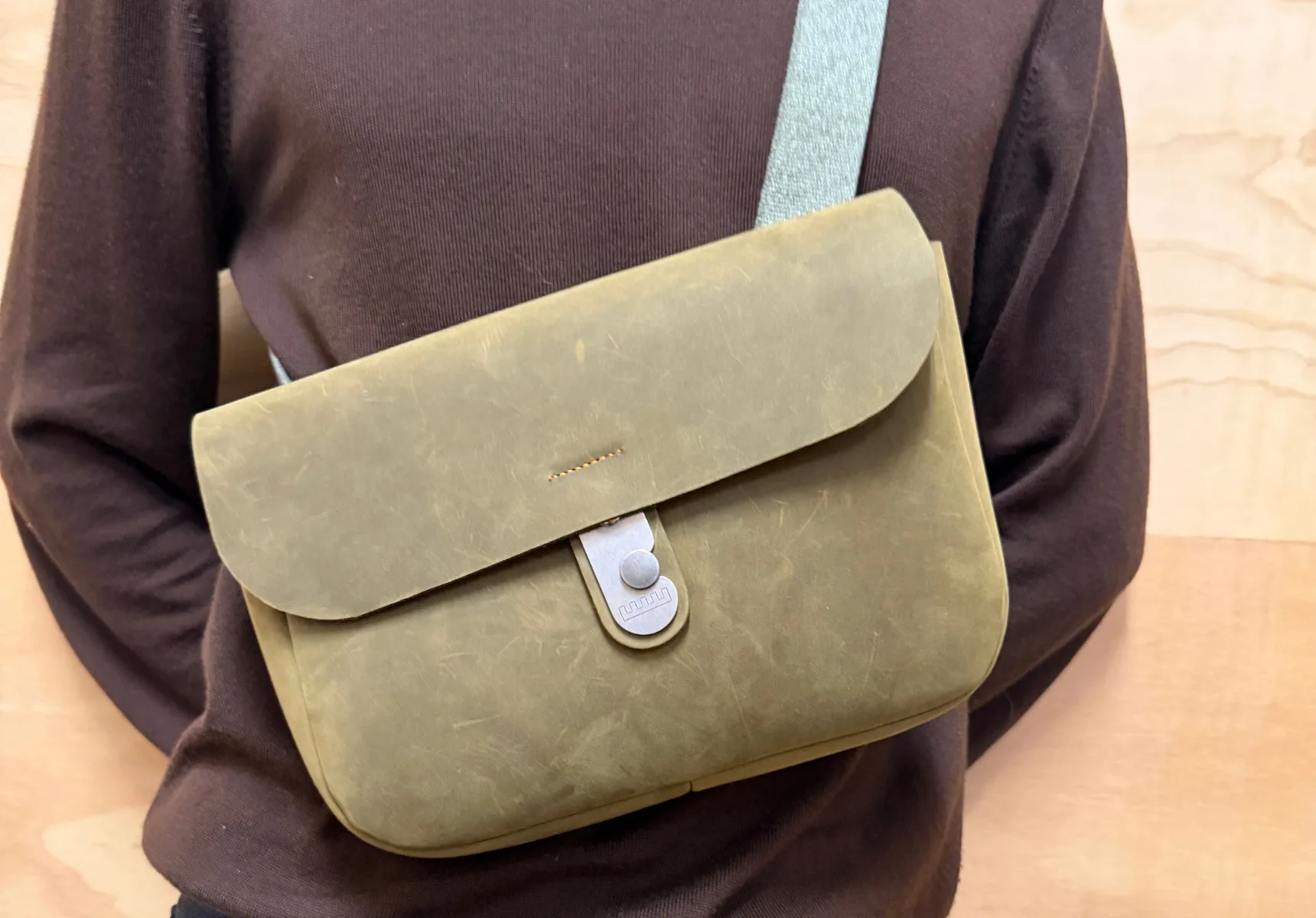
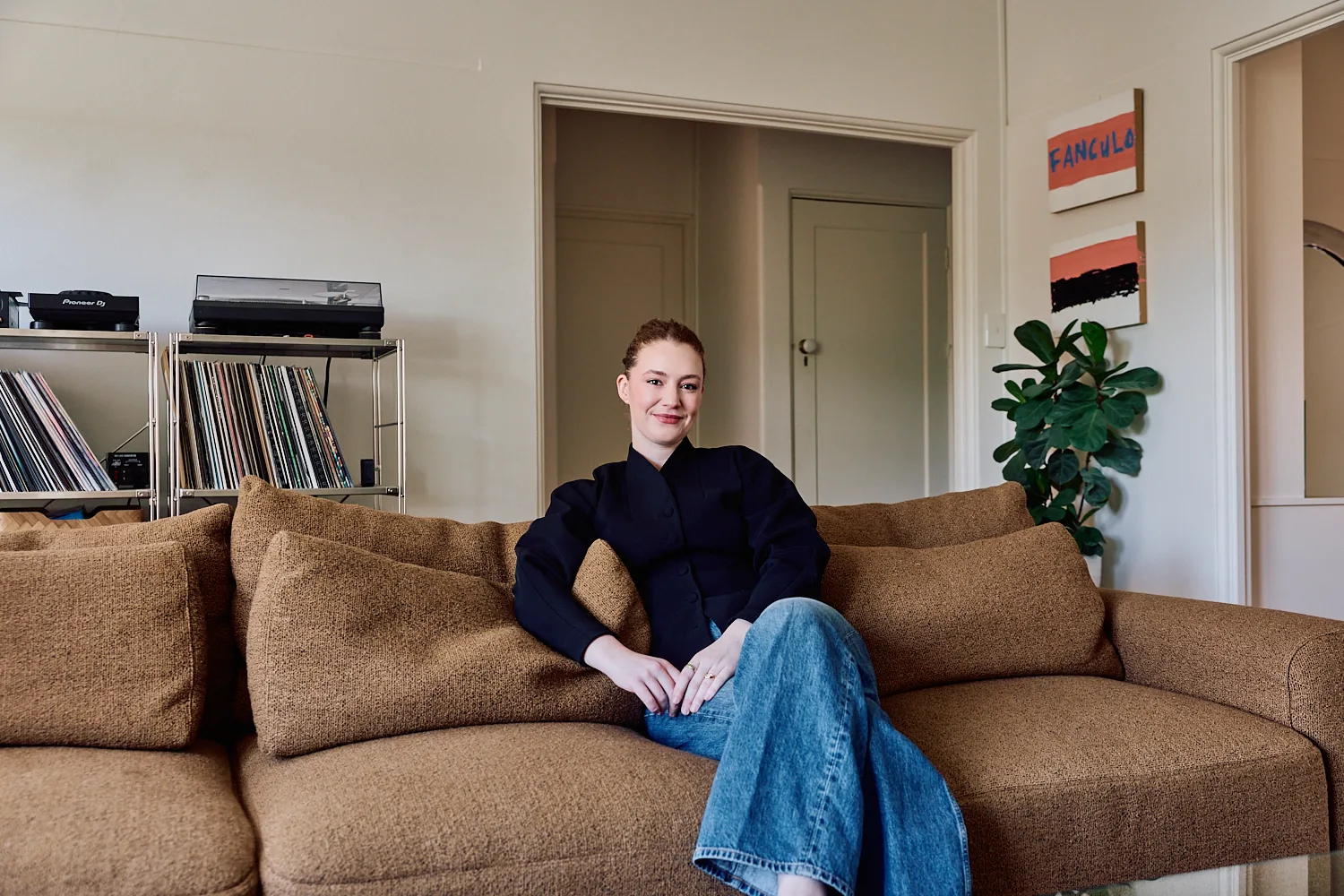
Tell us a bit about ATKM, how did it start? ATKM started in 2003. My girlfriend at the time wanted a cool bag for a new laptop, but we couldn’t find anything but shiny black vinyl. So I decided to make her one using Australian canvas and natural materials. Now I make leather and canvas goods from quality natural materials designed to last.
Where are your products made? We make everything in Melbourne and have since we started.
Why does manufacturing locally matter? Manufacturing locally is essential to maintain a diversity of skills and expression. Over the years I’ve seen bag makers retire and watched irreplaceable artisanal skills simply disappear. And frankly, we don’t need mass production being distributed around the world. Local manufacturing is far more sustainable and responsible.
What are the challenges and rewards of making your products in Australia? The challenges are real. Labour and manufacturing costs are generally steep. We’ve also lost so much of our manufacturing industry, which means quality components and materials are disappearing with it. We used to have far more suppliers – even the zip makers we want don’t manufacture here anymore.
But the rewards are supreme. We’re part of the entire process. We see machines in action and work directly with our team. We can explore new ideas and, because we often make to order, we don’t overproduce or create waste that ends up on sale. We have versatility that mass manufacturing just doesn’t have.
How does it set you apart from businesses making goods overseas? We’re not locked into using the same factories and techniques as everyone else. We can develop and explore different methods and styles, and create our own distinct identity. Design happens on the floor with the makers, cutters and sewers. That closeness creates something you can feel and gives the product itself personality.
Do you think shoppers care where products are made? Absolutely. Shoppers value knowing who they’re buying from. Especially now, when economic times are tougher, where you spend your dollar feels like a political decision. People are taking real responsibility for their actions.
Why is it important Australians choose locally made products? If you don’t support it, then the industry disappears. It’s essential we consciously support local manufacturing, because this is our community: our friends, relatives, neighbours. And it’s circular. Money spent here comes back to you. You build stronger communities.
I’ve also seen leather bags from big international labels that needed repair and inside was vinyl – cheap material. Unlike overseas manufacturing, the person behind our products here is accountable and answerable.
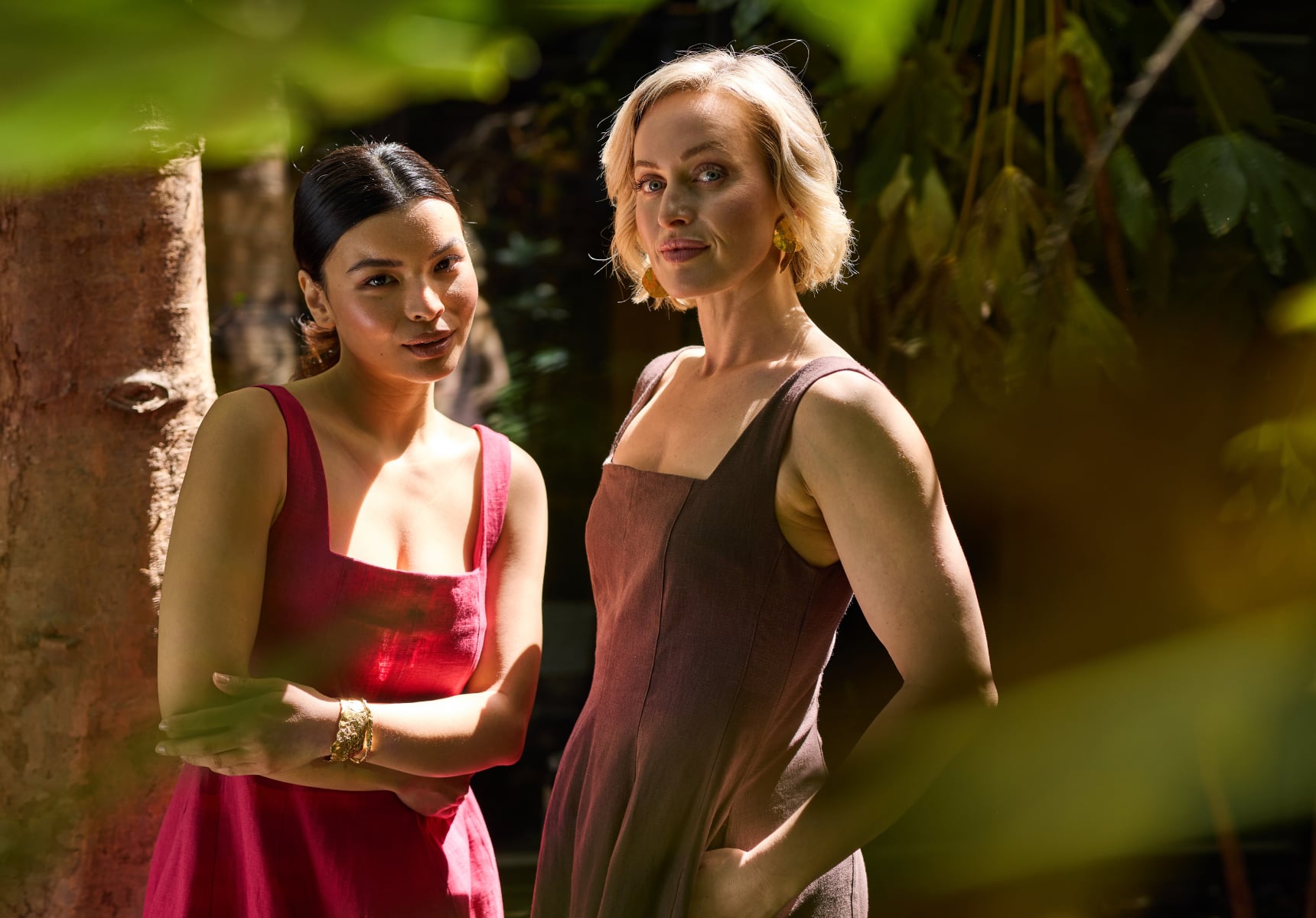
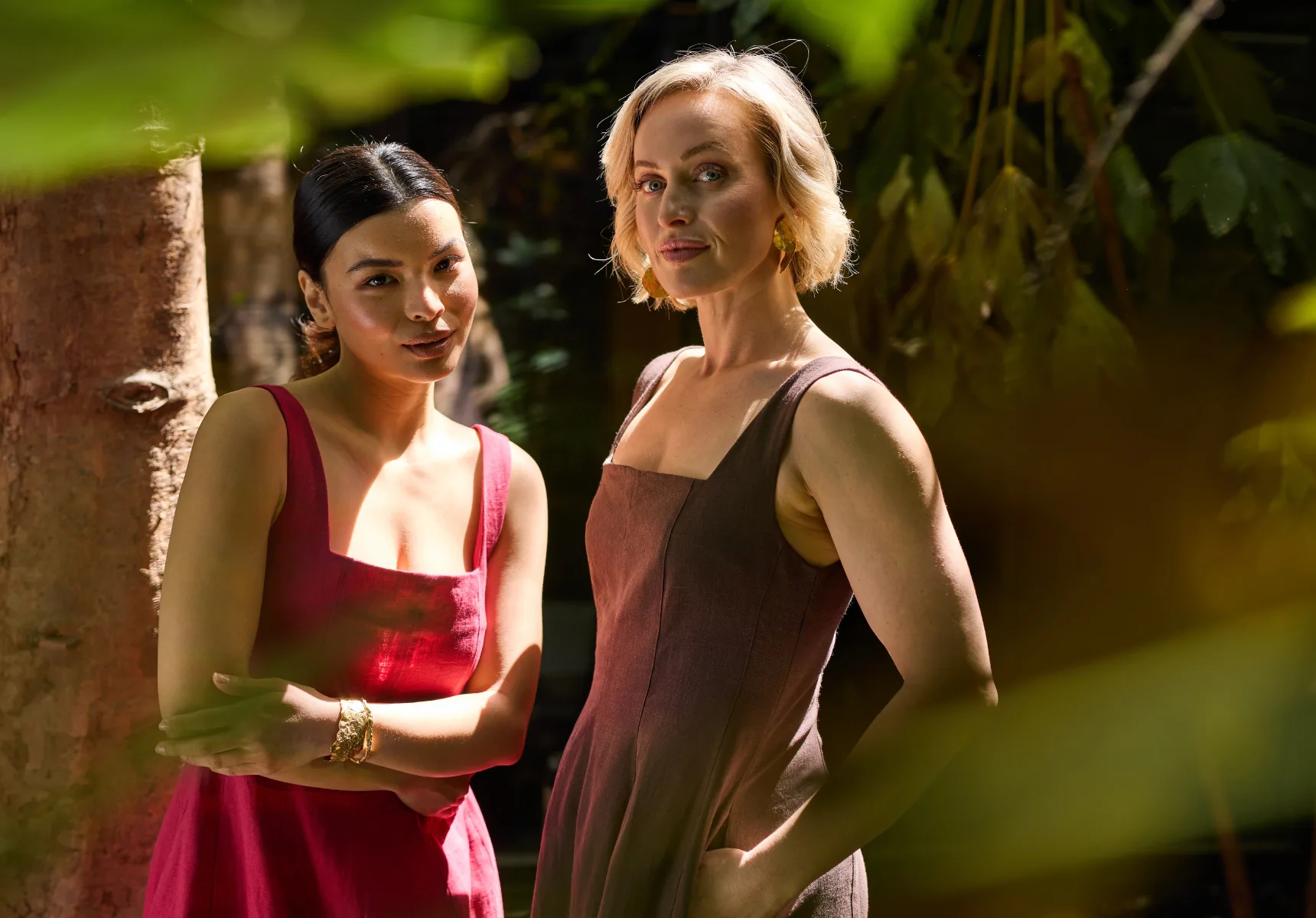
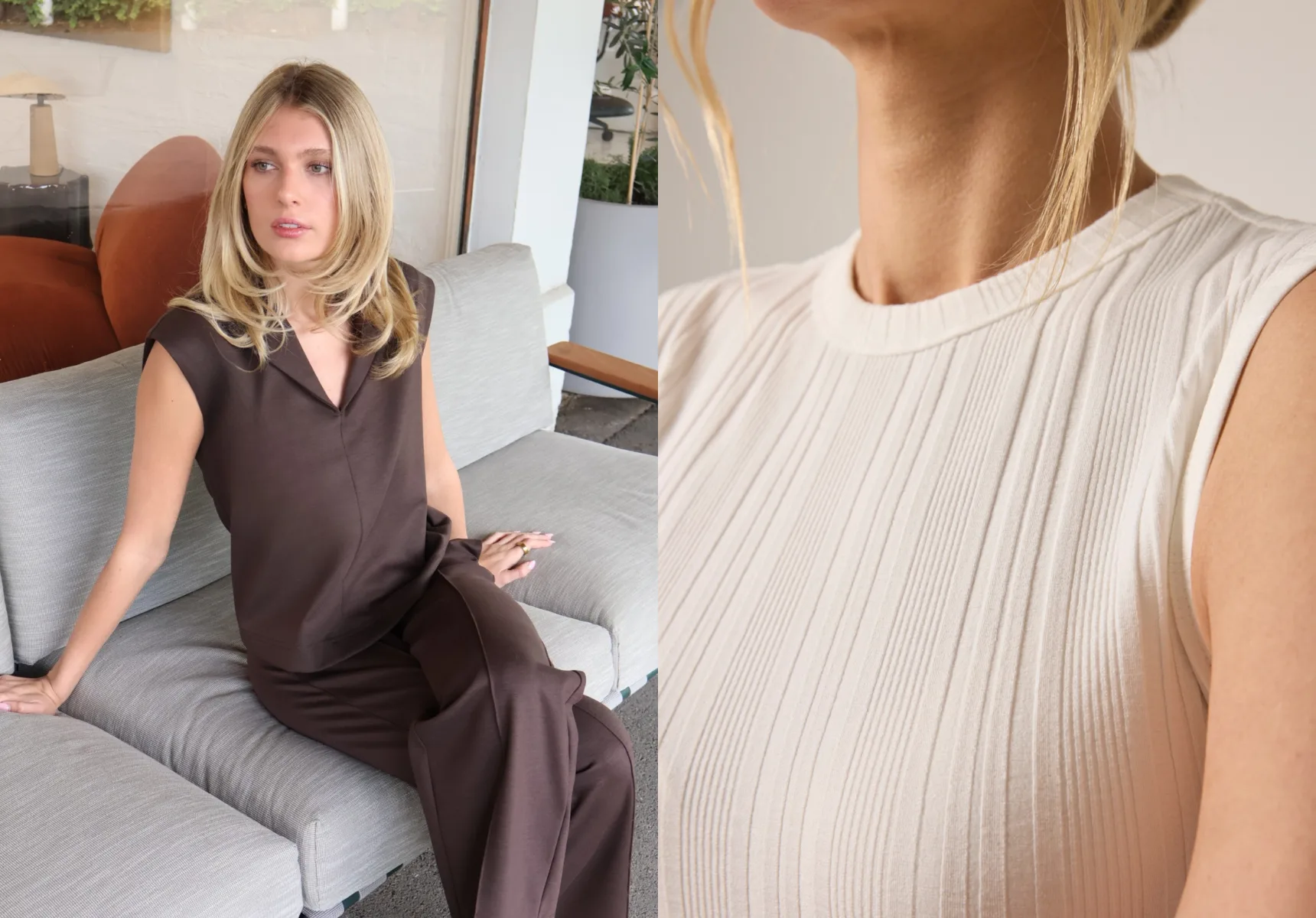
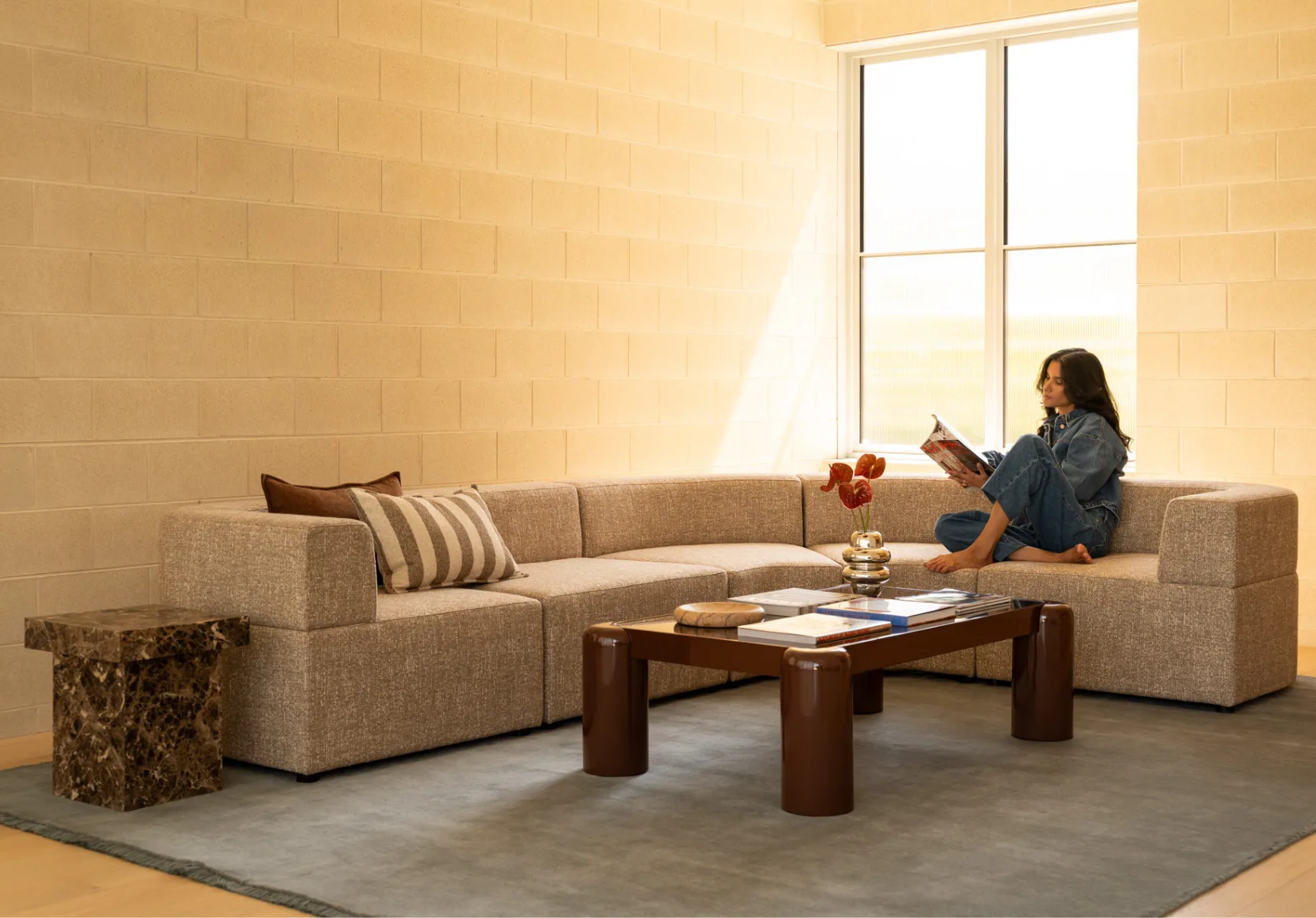
Tell us a bit about Matilda Life, how did it start? Matilda Life was founded during the Covid-19 pandemic when we saw a real gap in the market for a premium lifestyle brand that was genuinely committed to Australian manufacturing. Our focus is on relaxed, timeless essentials made from natural fabrics, alongside footwear and accessories, complemented by a curated collection of like-minded Australian brands.
Where are your products made? All Matilda Life products are made in Melbourne, with specialist local manufacturers. The Australian brands we stock also share our commitment to local manufacturing: most are made in Melbourne, with others produced in Sydney and South Australia.
Why does manufacturing locally matter? Primarily it is about supporting Australian businesses, jobs and skills. We have incredibly talented manufacturers and craftspeople in this country, and we want to help ensure those skills have a future. We also have a much shorter and more transparent supply chain; we can work closely with our makers and have a greater oversight of quality and production.
What are the challenges and rewards of making your products in Australia? The growth of fast fashion has created an enormous focus on price, and it can be difficult for local manufacturers to compete. As manufacturing has moved offshore, we have also lost parts of the infrastructure, skills and supply chain. This makes supporting the businesses that remain even more important.
One of the most rewarding examples is our footwear manufacturer, Anna Fiori. The factory reopened its doors to work with Matilda Life, helping to keep the specialist craft of shoemaking alive in Victoria. Seeing skilled locals making our shoes and knowing our business contributes to preserving that knowledge is incredibly rewarding.
How does it set you apart from businesses making goods overseas? It gives us a much closer relationship with our product and the people who make it. We know our manufacturers, we can visit the factories, see our garments and footwear being made, and work directly with the people responsible for their quality. It also means we can produce in smaller, more considered quantities. Our approach is to make beautiful pieces well, in quantities that make sense, and to stand behind their quality.
Do you think shoppers care where products are made? Absolutely, although I think there are different levels of awareness. For some customers, where something is made is incredibly important. For others, price and convenience will naturally be the priority. What we are seeing is a growing interest in how products are made, the materials being used and the conditions under which they are produced. Customers are increasingly asking about natural fibres, ethical production and sustainability.
Why is it important Australians choose locally made products? I believe Australians genuinely want to support local businesses, but it isn’t always top of mind when we make a purchasing decision. The Covid-19 pandemic reminded us how vulnerable we can become when we rely too heavily on imports and lose the ability to manufacture things ourselves. Once a factory closes and skilled craftspeople leave an industry, those skills are incredibly difficult to rebuild. For us, Australian Made isn’t a marketing message, it is the reason Matilda Life exists.
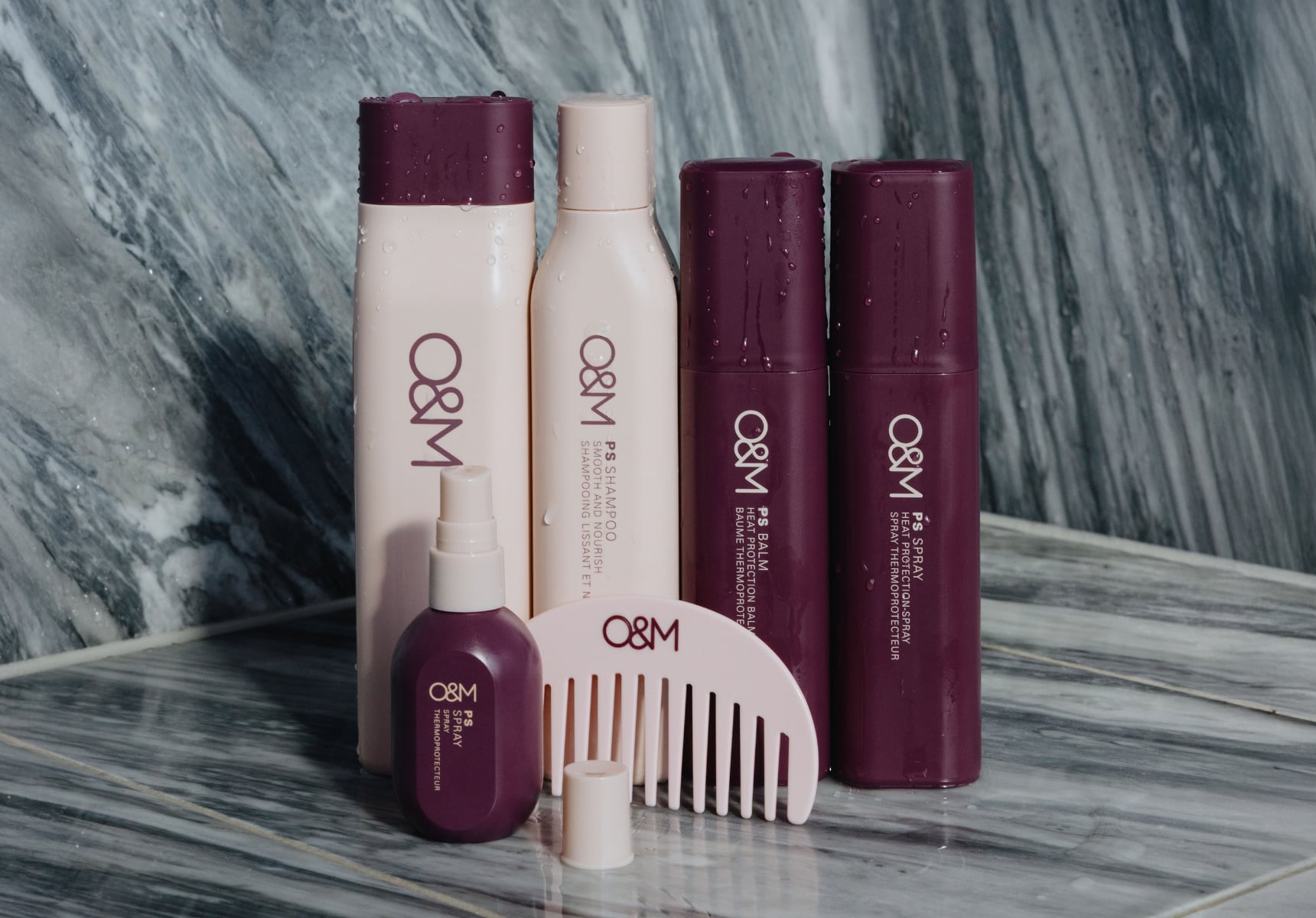
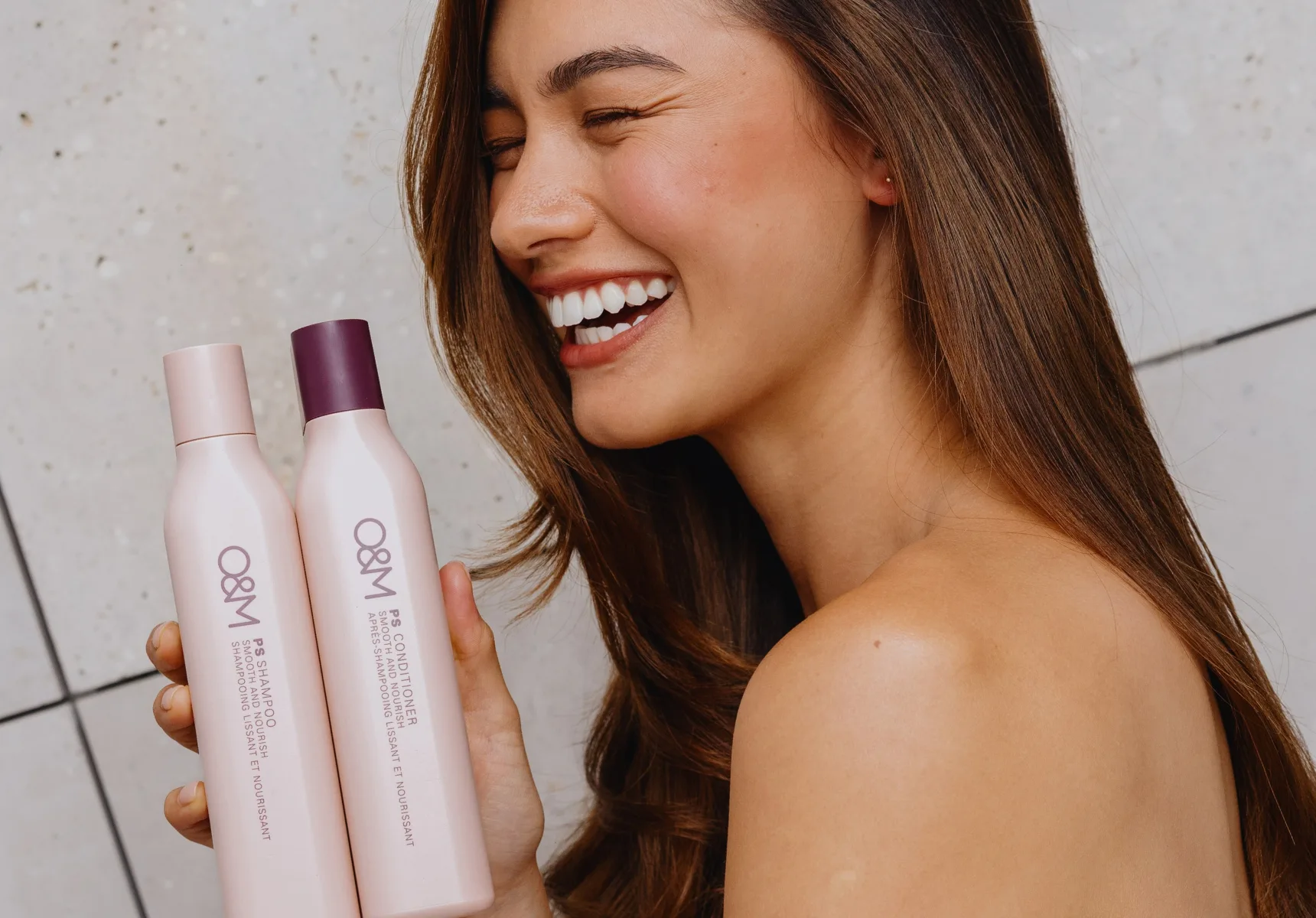
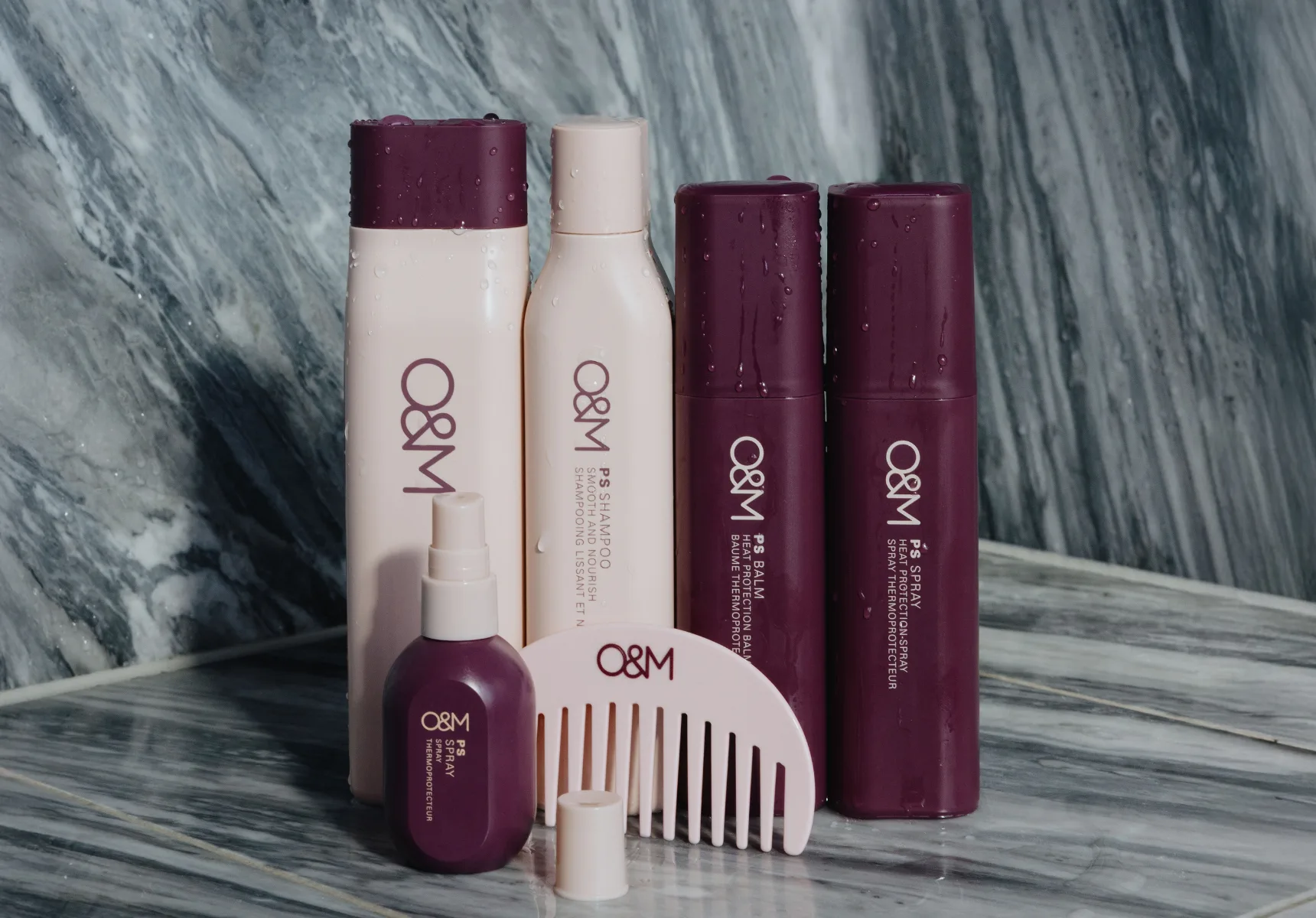
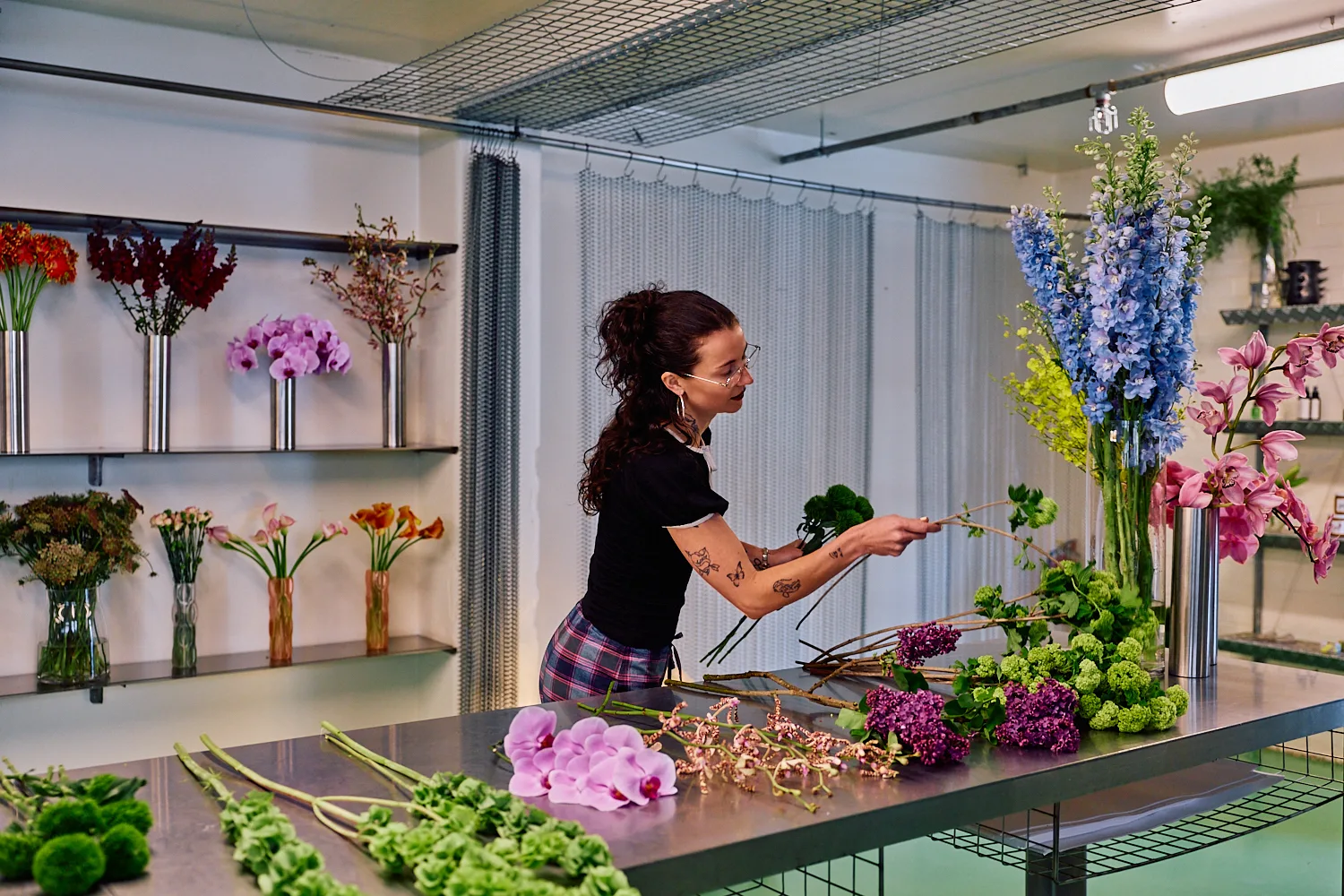
Tell us a bit about O&M, how did it start? The brand was born in our hair salon in Sydney. I started O&M after seeing harsh chemicals causing dermatitis and scalp sensitivities in our clients and hairdressers. I wanted to create something gentler. Today, our retail range includes seven shampoo and conditioner collections and 23 styling products.
Where are your products made? We still produce it all here in our solar-powered factory just outside Sydney. It’s really important to us to be hands-on with production – we can see what’s happening, catch issues early and make sure everything meets our standards. We also control our supply chain, which means when demand for something spikes, we can pivot quickly and respond to what our customers actually need.
Why does manufacturing locally matter? It feels like the right thing to do. We support local jobs, but it’s also about the ingredients. We use native Australian plants like lilly pilly and quandong. These materials are unique to this place and they’re important to our products.
What are the challenges and rewards of making your products in Australia? Being this far from the rest of the world is tricky. We’re stocked in 25 countries, so the logistics is always a puzzle. But the flip side is brilliant: we know exactly what we’re making and how. And overseas, people genuinely love that they’re buying something Australian. There’s something special about that.
How does it set you apart from businesses making goods overseas? We’re not hiding behind complicated supply chains. If someone asks where something comes from, we can tell them. I think people appreciate that honesty. They want to support brands that care about where things come from and how they’re made.
Do you think shoppers care where products are made? I think so. People want to support their own communities, and there’s more awareness about where things come from and what that means. People want brands with real values behind them.
Why is it important Australians choose locally made products? There’s so much good being created here. When you choose local, you’re supporting your community and backing quality. It matters.
This article is produced by Broadsheet in partnership with Australian Made.
Produced by Broadsheet in partnership with Australia Made
Learn more about partner content on Broadsheet.

More from Broadsheet
Videos
More Guides
Recipes

-159a56fcca.webp)


-6e9e4d4cb1.webp)
-c121bced4e.webp)