A Wine Writer and Sommelier’s Tips for Collecting Wine – From Selections and Vintage to Storage
Words by Cyndal Petty · Updated on 29 Sep 2026 · Published on 30 Sep 2026
As a judgy sommelier turned friendly wine writer, I try not to yuck anyone’s yum. But I also don’t want to see anyone accidentally yuck their own – and once you start collecting wine, that’s unfortunately quite easy to do.
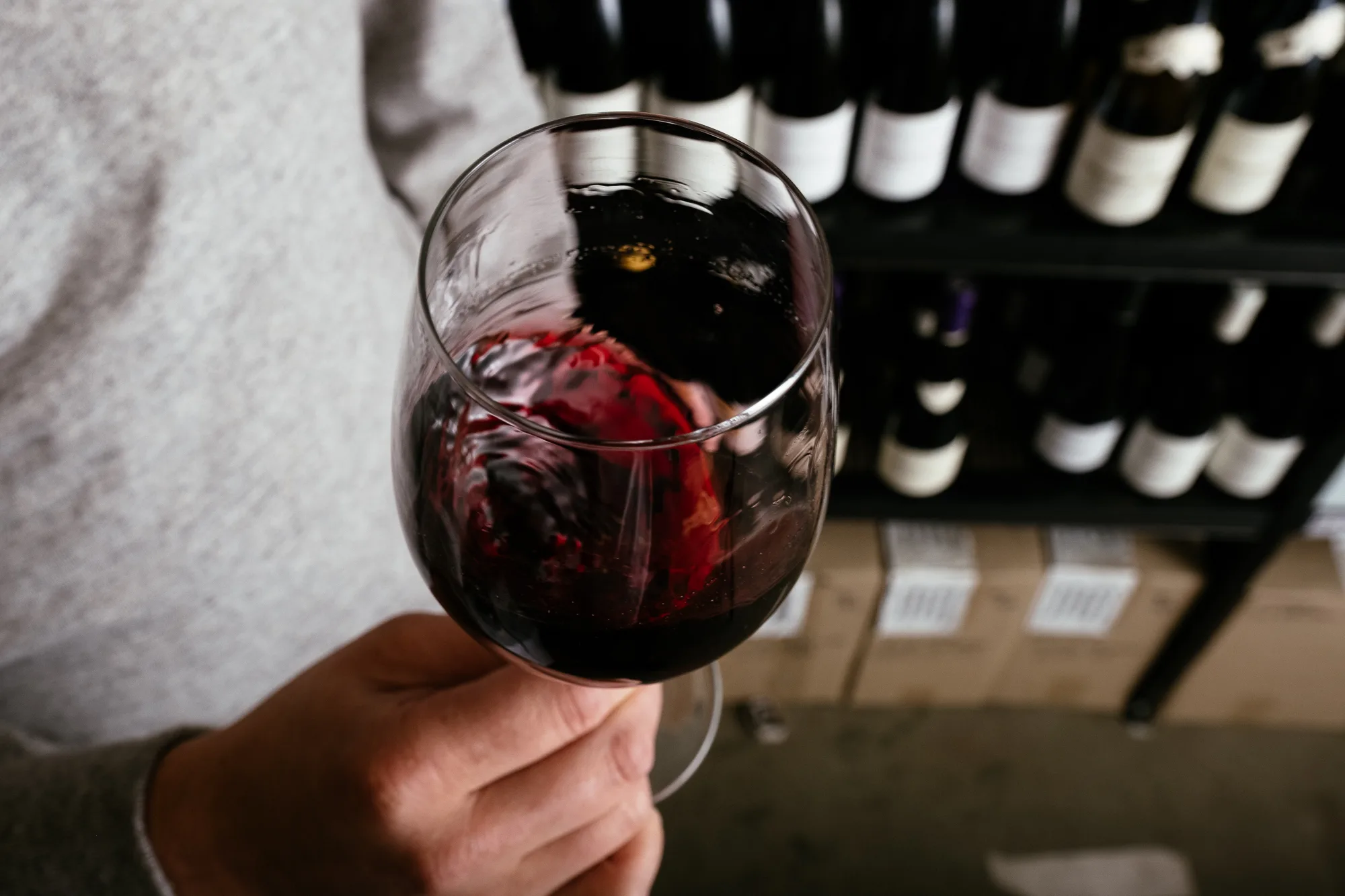
You see, wine is more temperamental than your average beverage. It’s sensitive to light, heavily affected by its environment, and likely to turn on you if you leave it in the cupboard for too long. But with a few easy tips, you can safely store those precious bottles until you want to sip and enjoy their contents.
So, whether you’re just starting to collect or have accumulated so much that you’re running out of floor space, here’s how to take care of your wines – luxury or otherwise.
Storage is everything
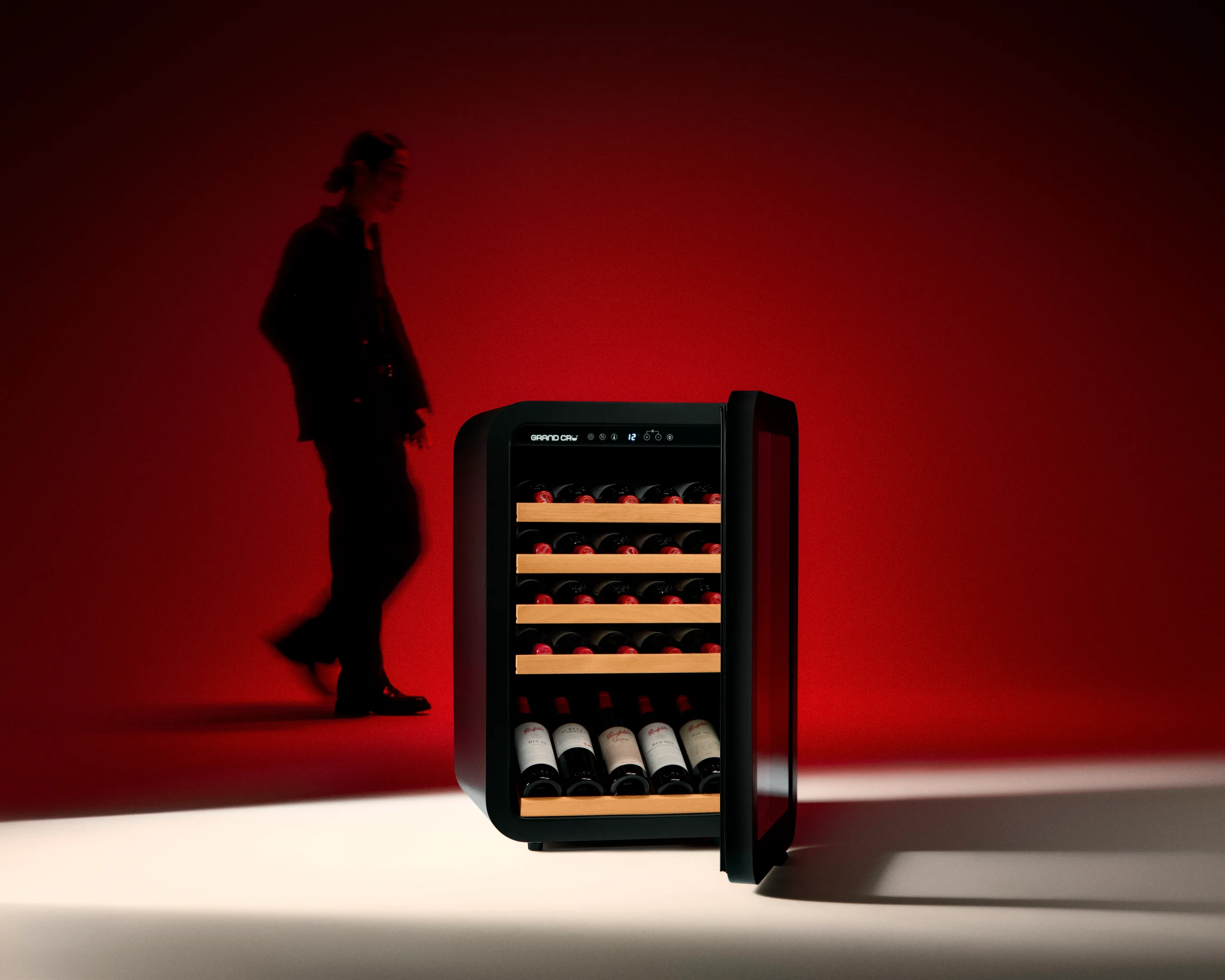
If you take only one thing from this article, let it be this: without proper storage, you’ll never get the best from your wine. Every warm day, temperature fluctuation, or moment in direct sunlight risks damaging it. The first step in collecting wines (and, eventually, elevating your collection) is investing in a wine fridge. And no, a regular kitchen fridge is not suitable.
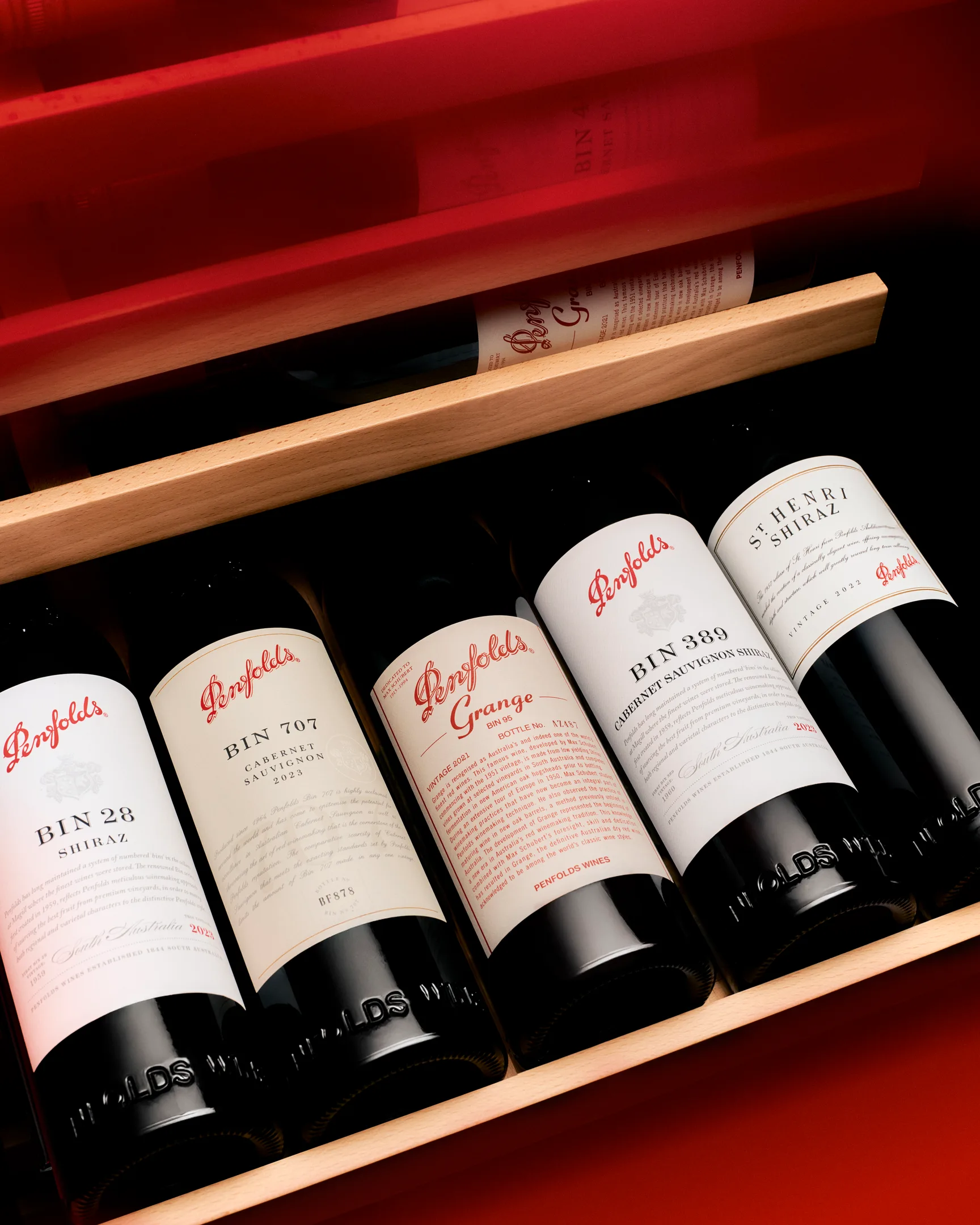
Unlike the basic garage beer fridge, modern wine fridges like those by Grand Cru are designed to be part of your home. They can be both functional and beautiful: almost like an extension of your personal taste. And in a country as warm as Australia, the temperature control gives you a much better starting point for serving wine. We tend to drink our reds too warm (room temp) and our whites too cold (fridge temp) without one. Plus, you can get a free Grand Cru wine fridge valued at $1999 when you spend $2500 on Penfolds wine and include a bottle of Penfolds Grange in your purchase.
Curate both fun and fine wines
A simple rule I follow at home – and use when curating wine lists – is to balance fun with fine. Buy “fun” wines for immediate drinking and “fine” wines for the future. If your fridge is filled with Australian cabernet you’re hoping to open in a decade, what will you drink with friends on an impromptu Thursday night?
Apply the same balance to styles. Put the classics you trust, such as Eden Valley riesling and Penfolds Grange, alongside less expected varieties like fiano, grenache or gruner veltliner. A good collection should reflect curiosity as much as understanding.
Older doesn’t mean better
Wine changes with age, but it doesn’t automatically improve. Most wines are made to be bright, fruit-driven and enjoyed young. To age well, wine needs structure: acidity, fruit concentration, tannin and balance. Think premium shiraz and cabernet which, with time, will become more complete.
Personally, I love aged wine, but I’m also a sucker for the charged, vibrant fruit characters in younger wines. Steph Dutton, director of winemaking and viticulture at Penfolds, explains it well when talking about the Australian brand’s wines: “They’re structured to reward patience, but they’re also crafted to be enjoyed at many stages of their life.”
At the end of the day, it comes down to personal preference – and self-restraint.
Track your bottles
You don’t need a complicated cellar-management system. I keep my most precious bottles on 2 dedicated shelves with a “don’t even look at it” sign, and my easy-drinking wines at the bottom of the fridge for easy access.
If you’re unsure when to open something, wine critics will often provide a drinking window. Better still, buy two or three bottles of the same wine, open one young, one in a few years, and one way down the road. Just don’t forget you have them.
Don’t forget to drink the damn things
And if I can leave you with one last tip, it’s this: don’t become so preoccupied with aging wine that you forget its purpose. Wine is made by people, for people, to be opened and shared, so don’t be afraid to open that bottle.
This article is produced by Broadsheet in partnership with Liquorland. Find out more about the Penfolds wine fridge promotion.

Produced by Broadsheet in partnership with Liquorland
Learn more about partner content on Broadsheet.
-8e7567febd.webp)

MORE FROM BROADSHEET





-cc7203651b.webp)