Shannon Bennett Thinks Everyone Should Cook With Induction
Words by Lucy Bell Bird · Published on 03 Aug 2026
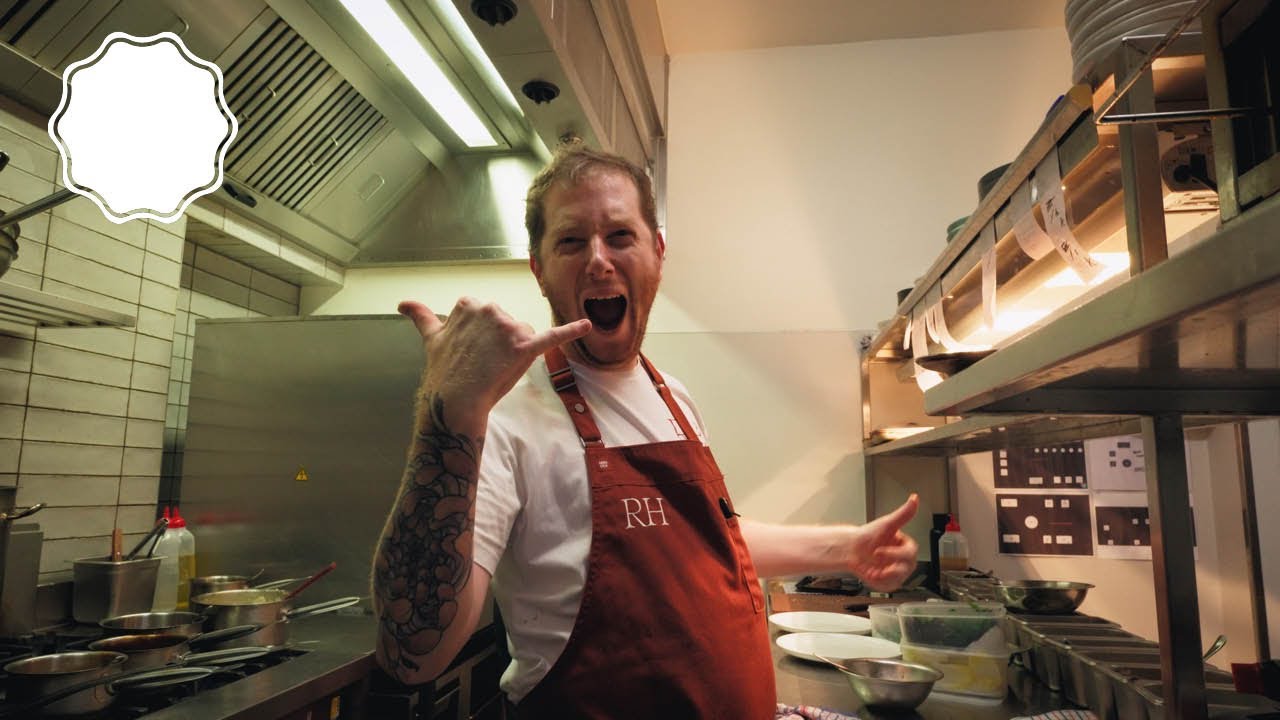
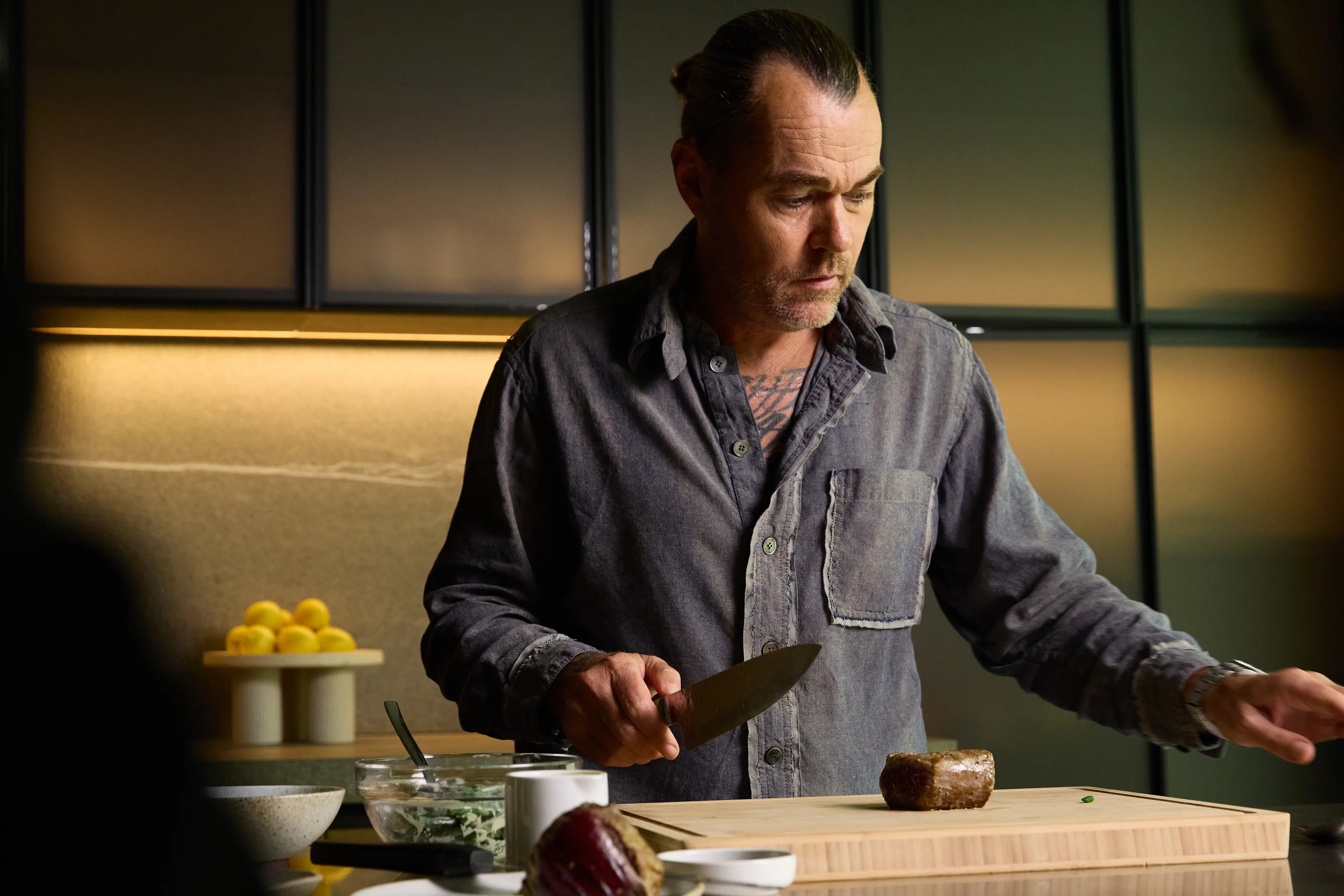
Shannon Bennett has always been ahead of the curve.
He opened Melbourne’s Vue de Monde in his twenties, created and sold a successful restaurant group, and became a leading figure in the hospitality industry. Today he leads The Belongil in Byron Bay.
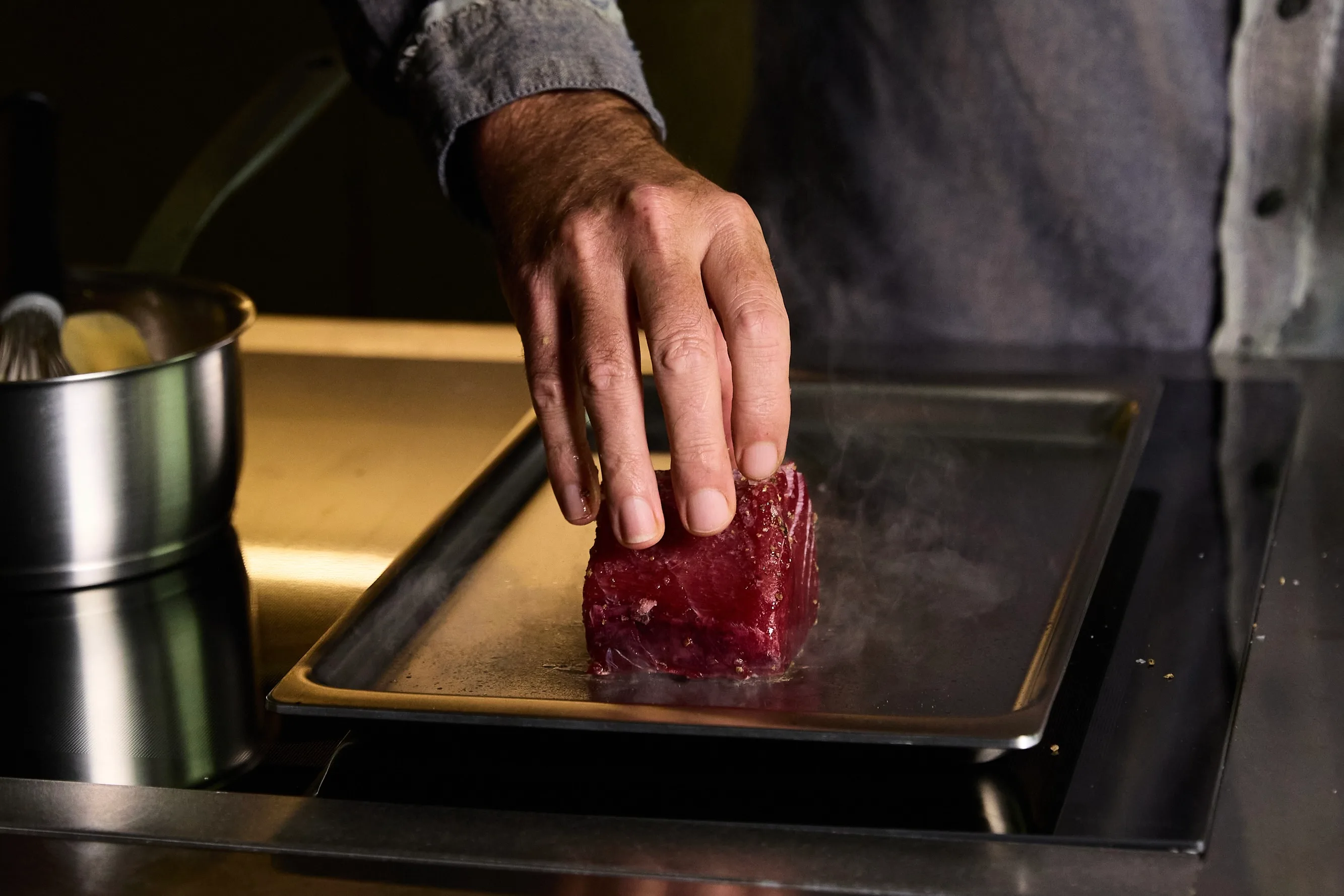
He was also ahead of the curve when it came to adopting induction cooking technology. “I made the transition back in 2005,” he says. “I’d seen it overseas in Germany, and I was pretty amazed by it all. So, I started to adopt that in all our commercial kitchens, in any restaurant that we opened.”
It allowed him to create Vue’s signature open kitchen. When cooking with gas stoves, you lose a lot of heat to the air and atmosphere passing around the pan or pot. In a kitchen full of chefs, things get really hot pretty quickly.
“With induction – or cold kitchen technology – the ambient kitchen temperature is pretty much the same as the dining room,” Bennett shares. “The cooler temperatures paved the way for kitchens like Vue de Monde’s, because we didn’t have to worry about guests being uncomfortably [hot], or any fumes coming into the dining room.”
Quicker boiling times
There’s a common misconception that gas stoves will always be hotter than induction stoves. It’s easy to see how that stereotype came to be: with a gas stove you can see the blue heat of the flame lick the outside of your pan, feel the heat radiate into the room, hear the hiss of the gas.
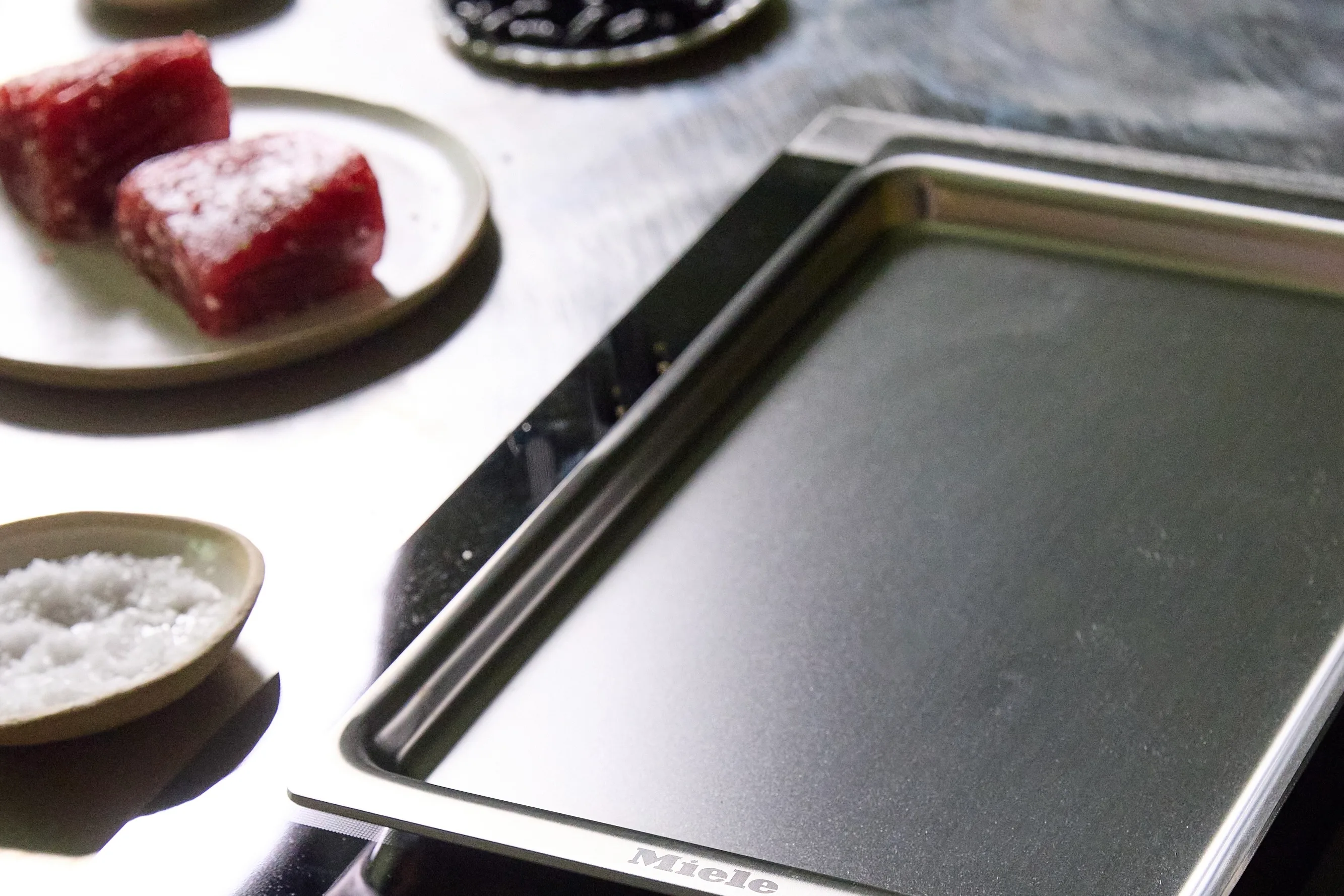
In reality, induction cooktops are not just more precise; they’re also more efficient because they don’t lose heat to the room. According to Bennett, you can boil water in much less time on boost mode on the Miele DiamondFinish induction cooktop, saving precious time.
No need for double boiling
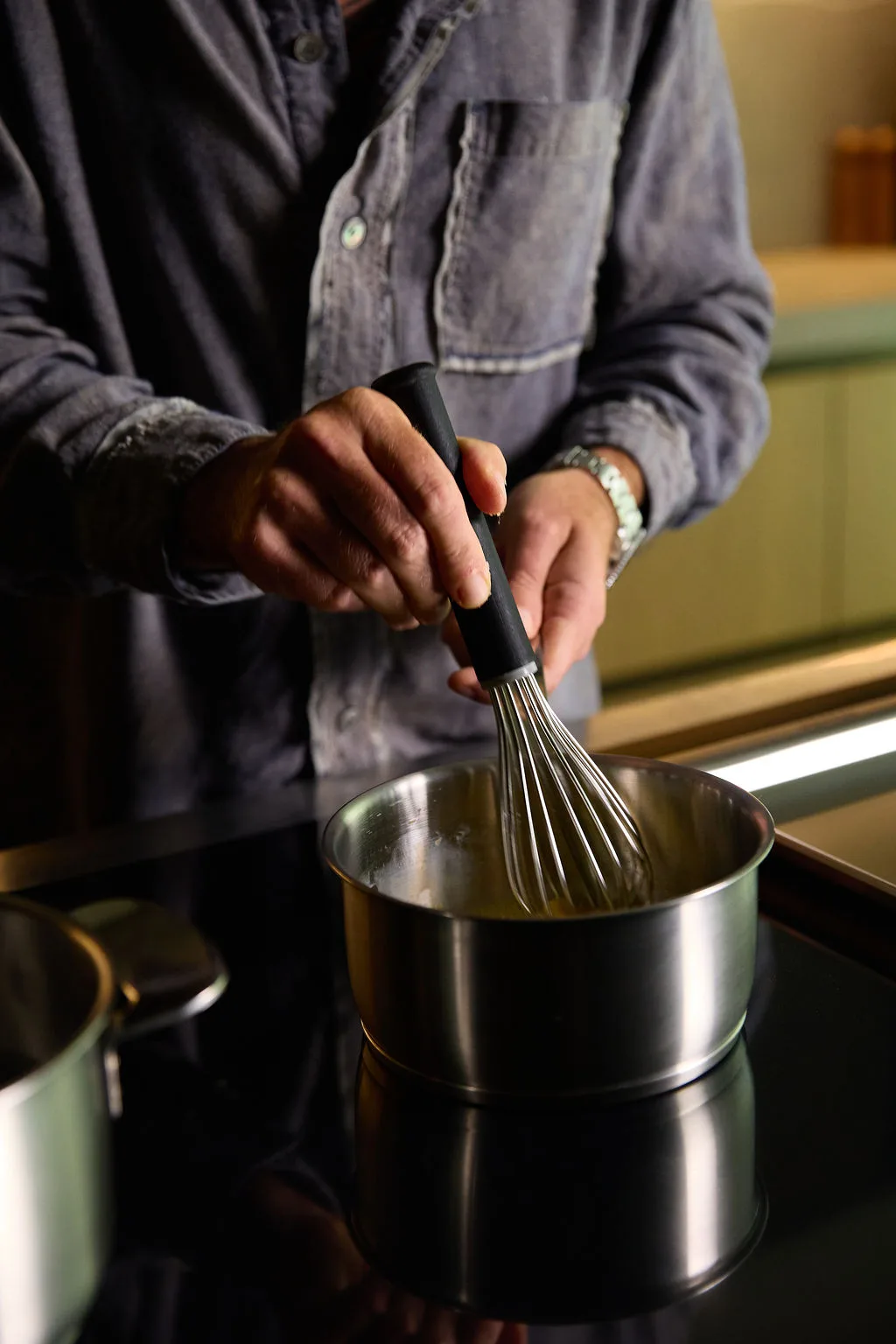
Double boiling, where a heatproof bowl sits over a saucepan of boiling water for more delicate heat, is not only a time suck, but also has the knock-on effect of creating twice as many dirty dishes for you to clean up. Yet, it’s a technique commonly used when making sauces, melting chocolate or doing anything which requires precise and delicate temperatures. It’s not at all necessary with an induction cooktop.
“You have better control because there are no direct flames. Even if you’re putting a flame on low, it still makes contact with the pot at 100 degrees [Celsius], whereas induction gives you temperature control,” says Bennett.
Improves basic dishes
Obviously, when you’ve got as much kitchen experience as Shannon Bennett, you’re not struggling at the stove. And, even though he could whip up a fine-dining feast, when he’s cooking at home he reaches for the basics. Two such dishes – a risotto and scrambled eggs – become even simpler with an induction cooktop.
“It’s much, much easier to make a risotto with consistent temperature – one that’s not too hot, not too cold. With an induction cooktop, rather than turning a risotto down and adding more liquid, I just add the liquid all at once and cook it on a [medium] heat,” he says.
And when you’re cooking eggs to serve as an entree in a dinner, or if you want that soft and fluffy restaurant feel, then this is how you should be doing it.
“You cook it slowly, really gently and really delicately. You don’t use as much butter. You just need to be patient and stir really slowly on [low to medium-low] on the induction until it becomes nearly like a custard that then starts to set … From there you’re agitating the custard so it becomes like really like minced tofu in its texture,” he says.
At the end, you can add a small knob of French butter, preferably Lescure (“I wouldn’t use any other butter”). Then top the eggs with a good pinch of salt.
This article is produced by Broadsheet in partnership with Miele.

Produced by Broadsheet in partnership with Miele.
Learn more about partner content on Broadsheet.
About the author
Lucy Bell Bird is Broadsheet’s national assistant editor.
-8e7567febd.webp)
MORE FROM BROADSHEET



-cc7203651b.webp)