Hamish Ta-mé Got Into Beekeeping When He Was 12. Decades Later, He Now Runs His Dream Bee Farm
Words by Quincy Malesovas · Updated on 29 Sep 2026 · Published on 22 Sep 2026
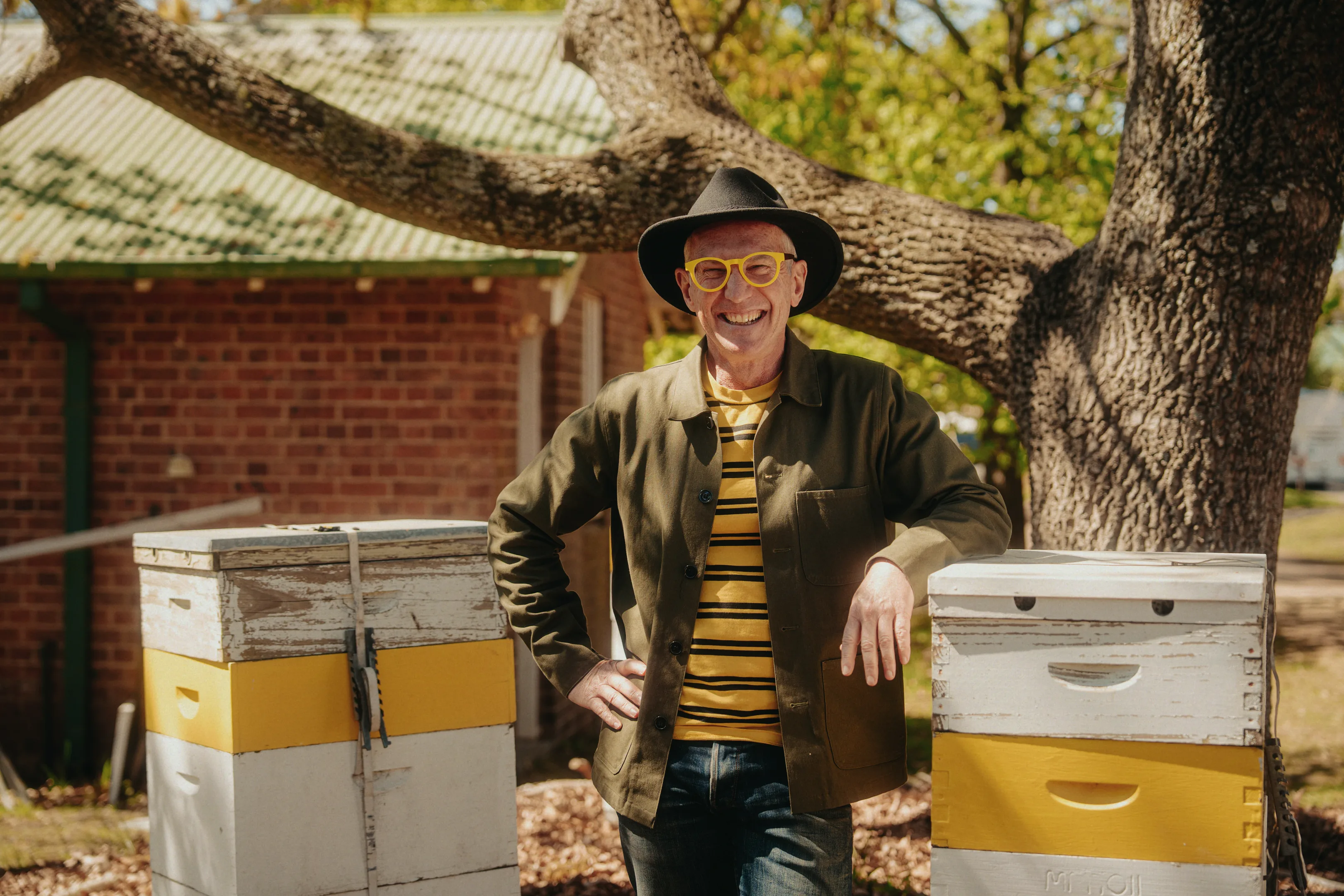
Hamish Ta-mé has been a commercial photographer, graphic designer and marketing communications specialist. But it was beekeeping, a hobby he first got into at age 12, that eventually became his business.
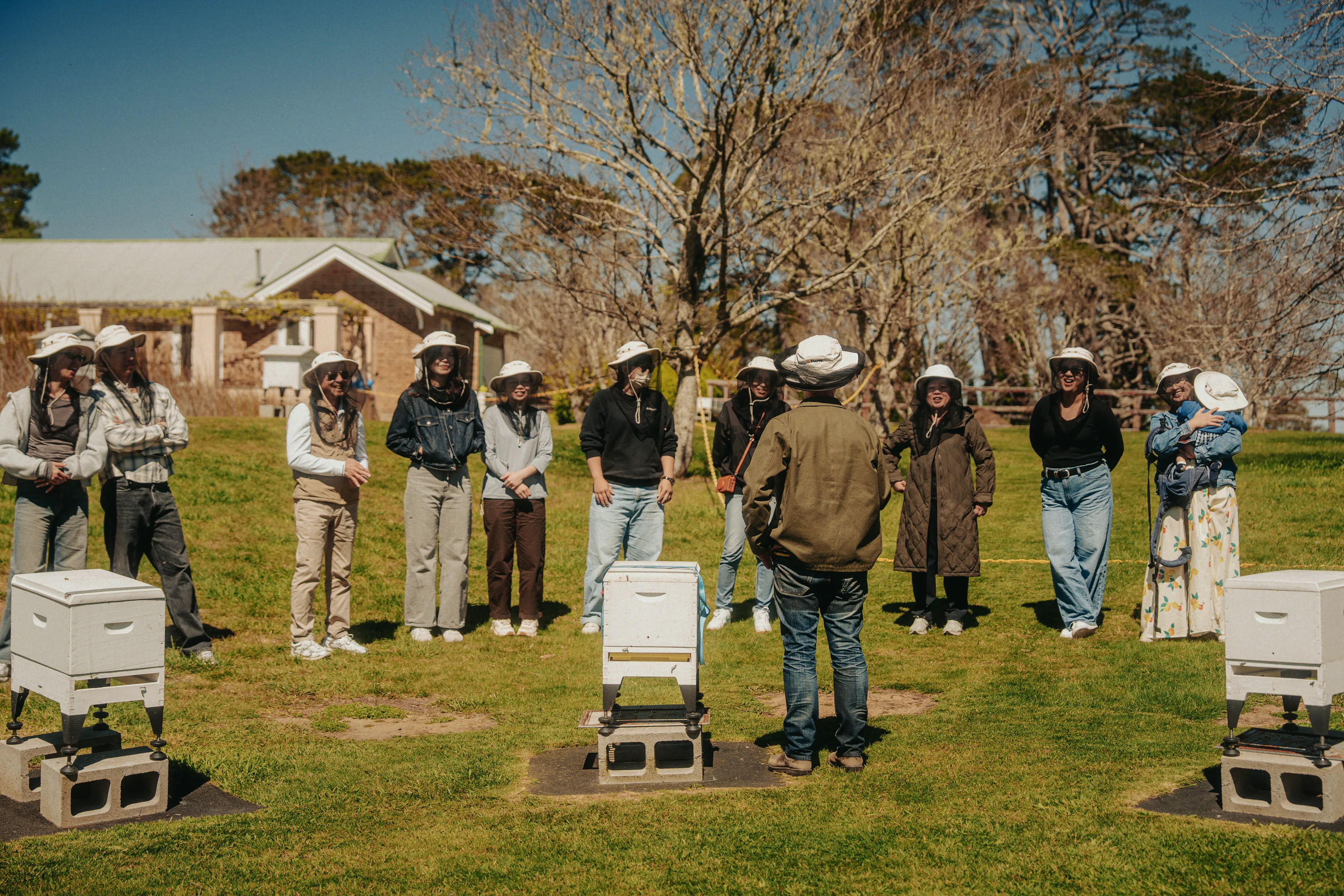
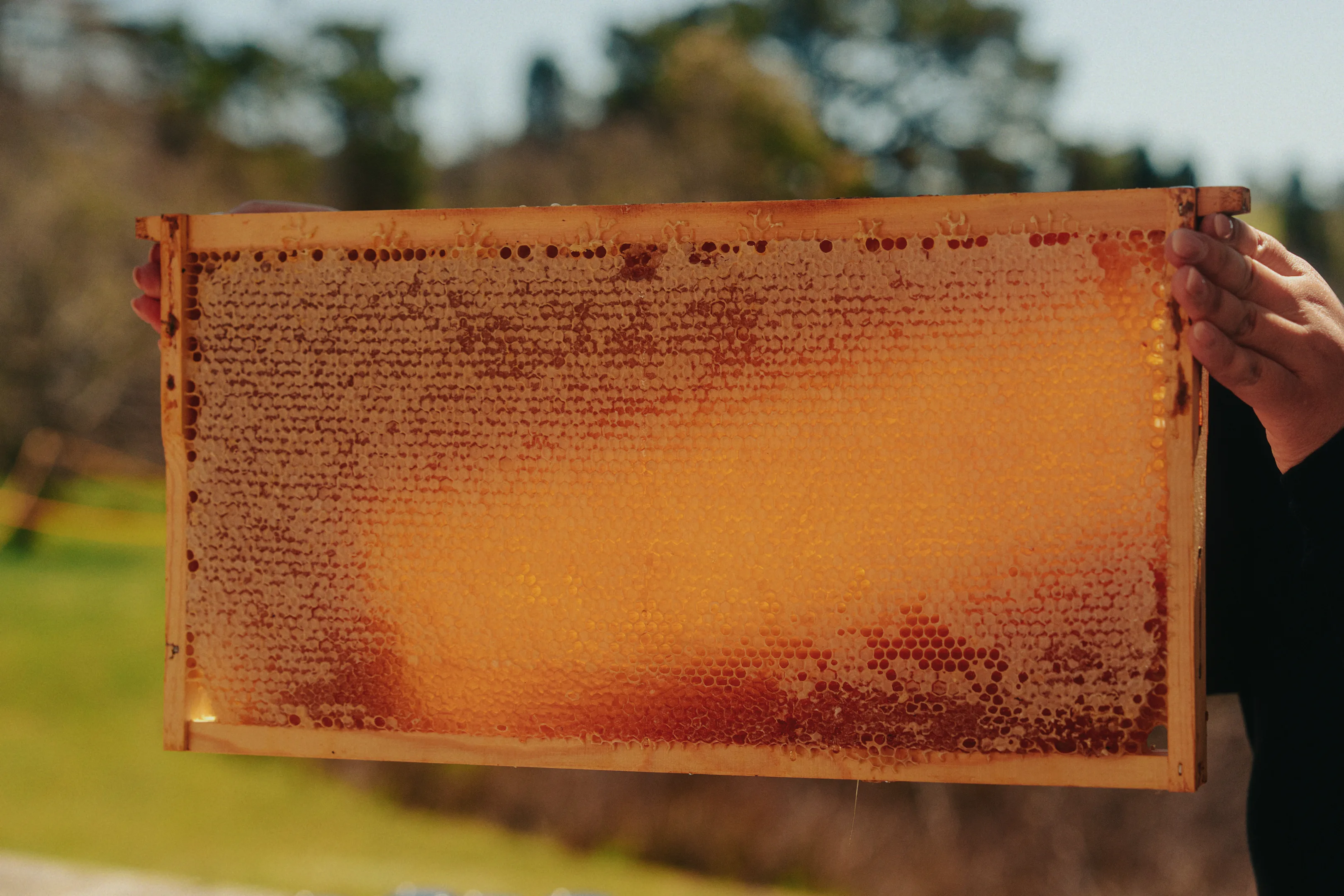
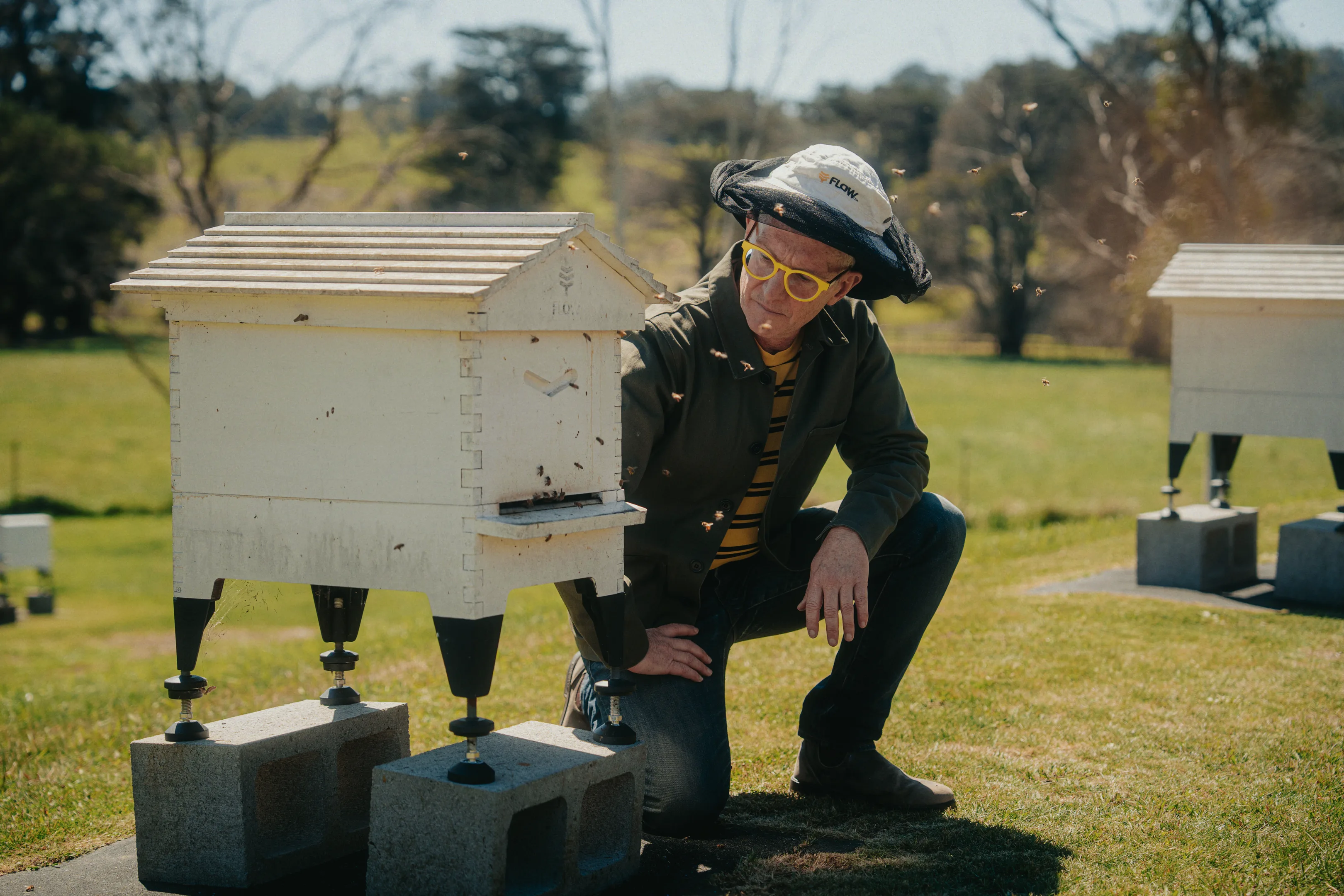
Today, he runs Bowral Honey Farm, an agritourism business in the Southern Highlands of New South Wales, where visitors can suit up, taste different honeys, meet the bees and learn about their surprisingly complex world.
It’s a far cry from the corporate world he left behind during the pandemic. It’s also a business that, in many ways, could only have been built by someone who spent decades collecting seemingly unrelated skills.
“I literally made this business up,” Ta-mé says. “It doesn’t exist [anywhere else].”
The first iteration was in his backyard. He had been keeping bees as a hobby for decades, after they were his animal of choice at agricultural boarding school. When he suddenly found himself unemployed in 2020, he began showing his neighbours his hives, then eventually began offering formal tours.
Within about a year, the experience had become one of the top-ranked in Australia on the platform, giving Ta-mé the confidence that maybe the hobby could become a business. “I thought, ‘What the hell? This is good. It’s paying a little bit, I get to hang out with my bees.’”
The next step was finding a bigger location. He leased a site, bought shipping containers and converted them into teaching spaces. A few years later, when that site went up for sale, he moved to the much larger, extremely picturesque property in Bowral where he’s based now.
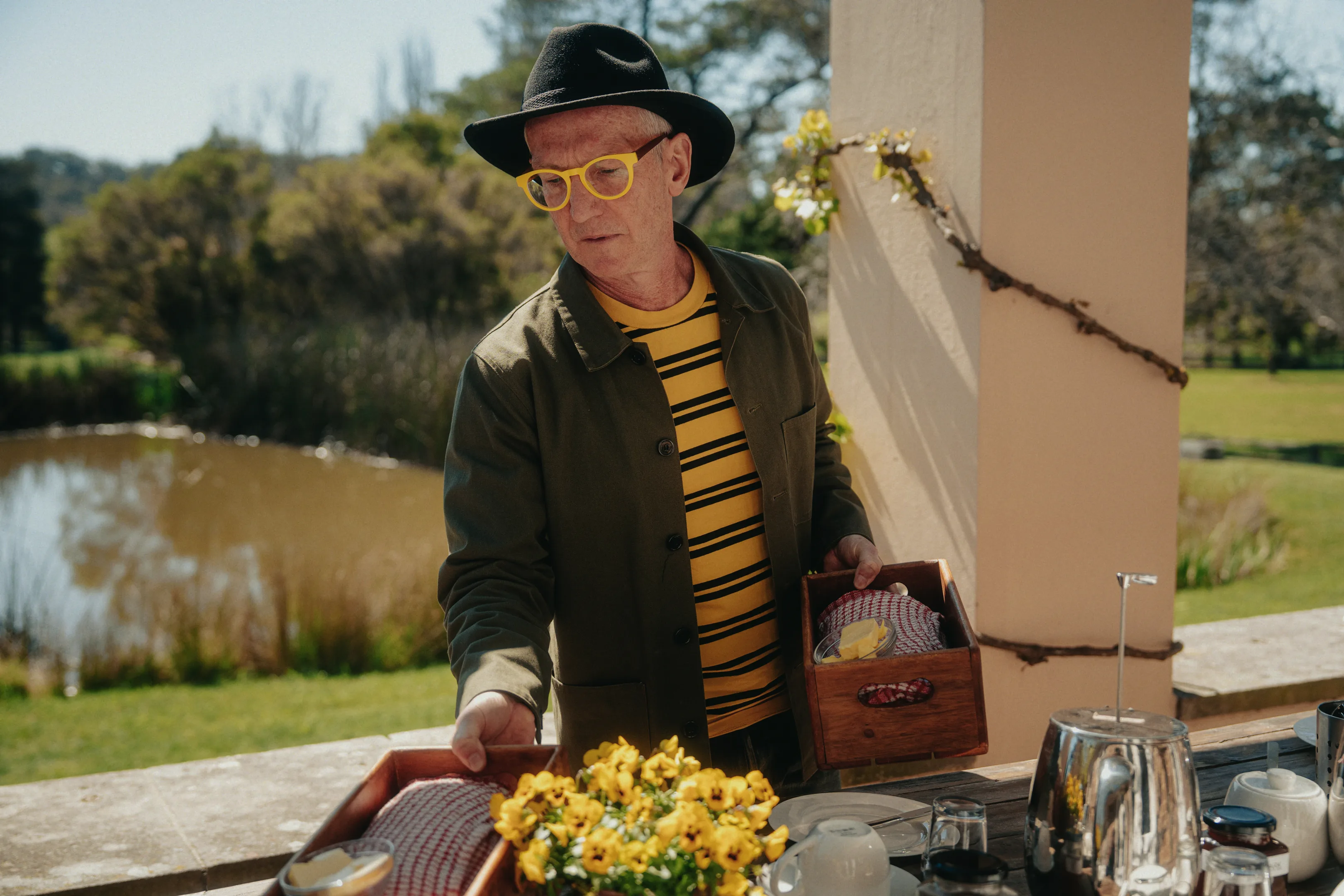
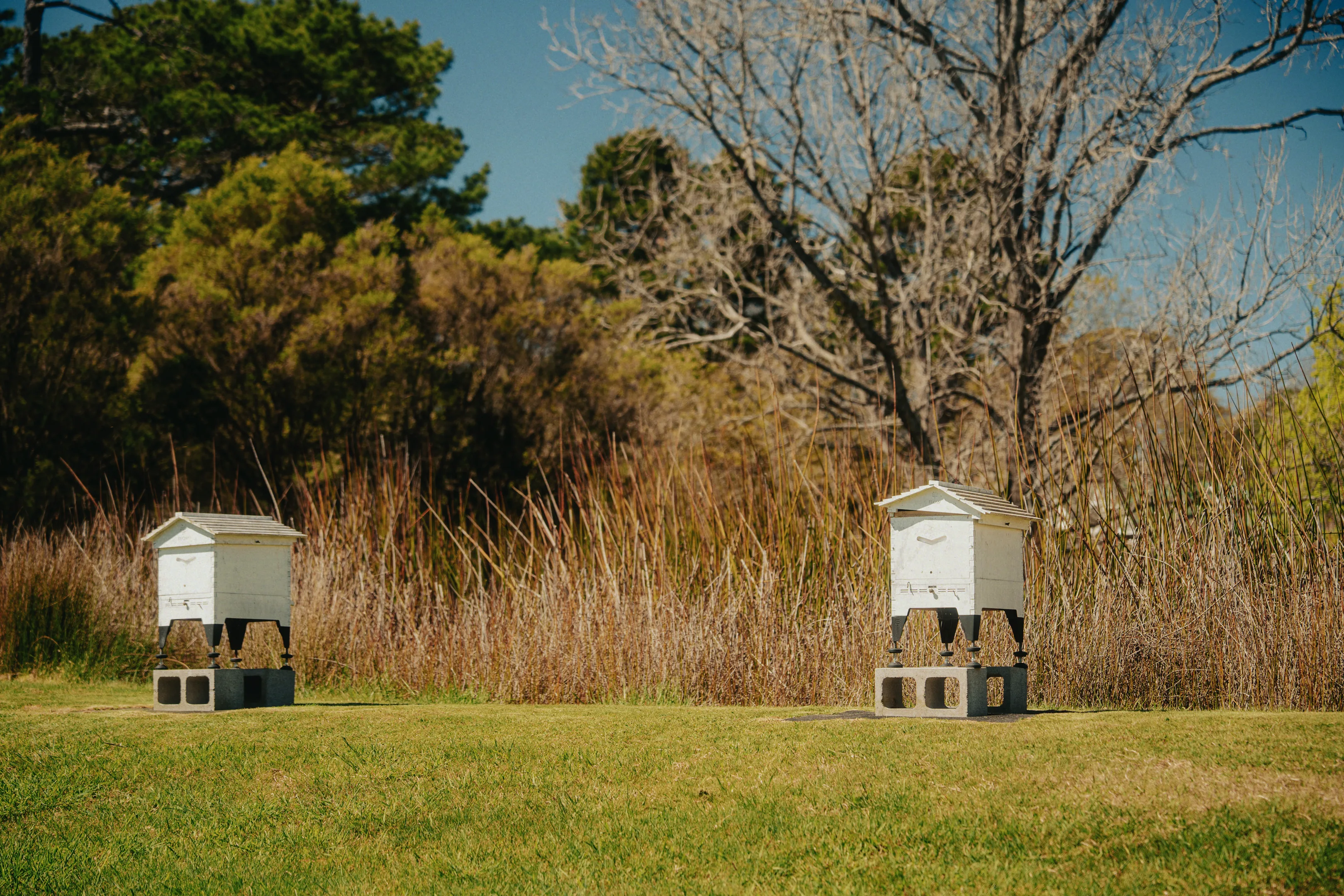
The former country estate – once owned by James Fairfax and part of the National Trust property Retford Park – features a restored farmhouse, a terrace overlooking a private lake and rows of beehives scattered throughout, plus a small retail shop selling jars of honey.
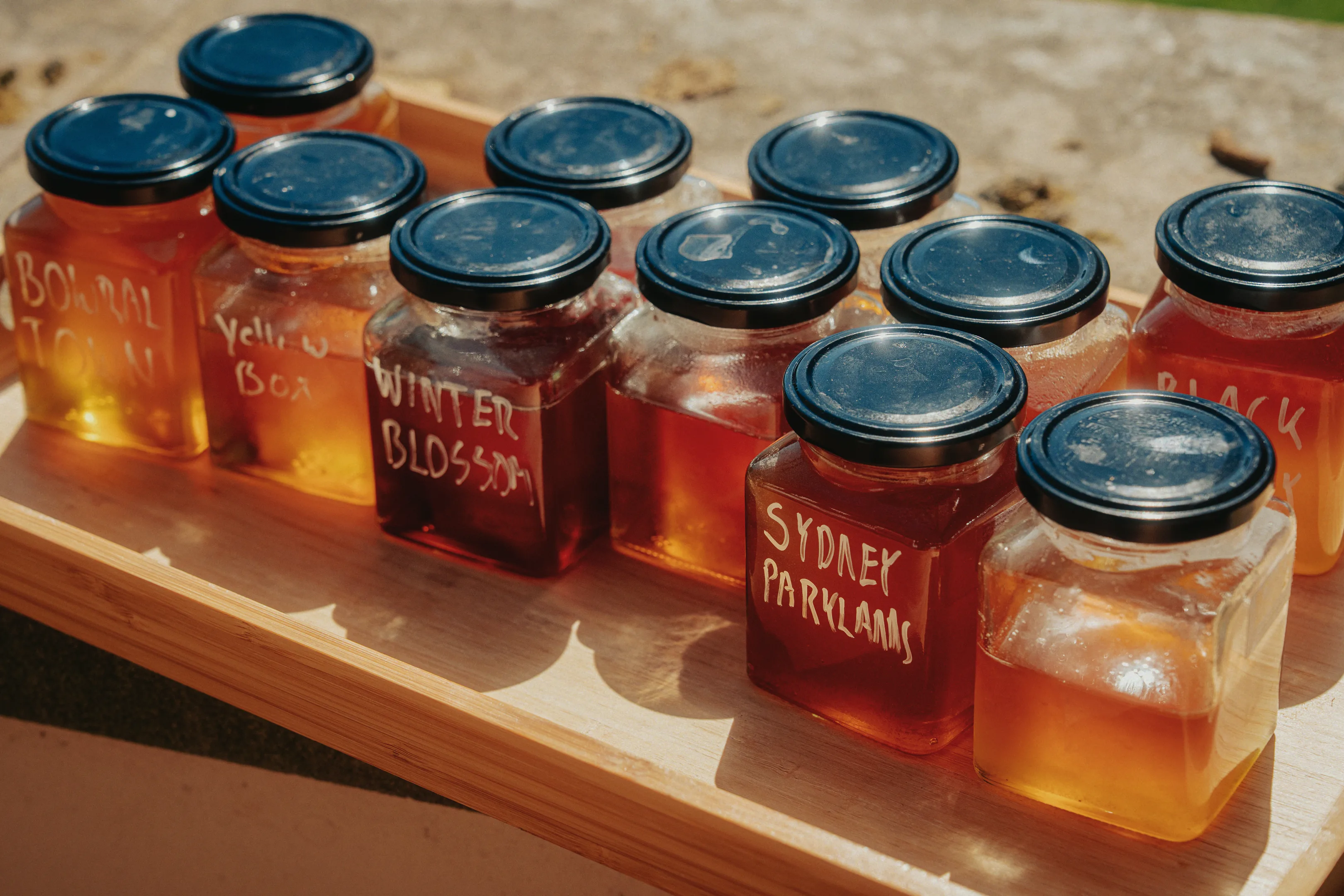
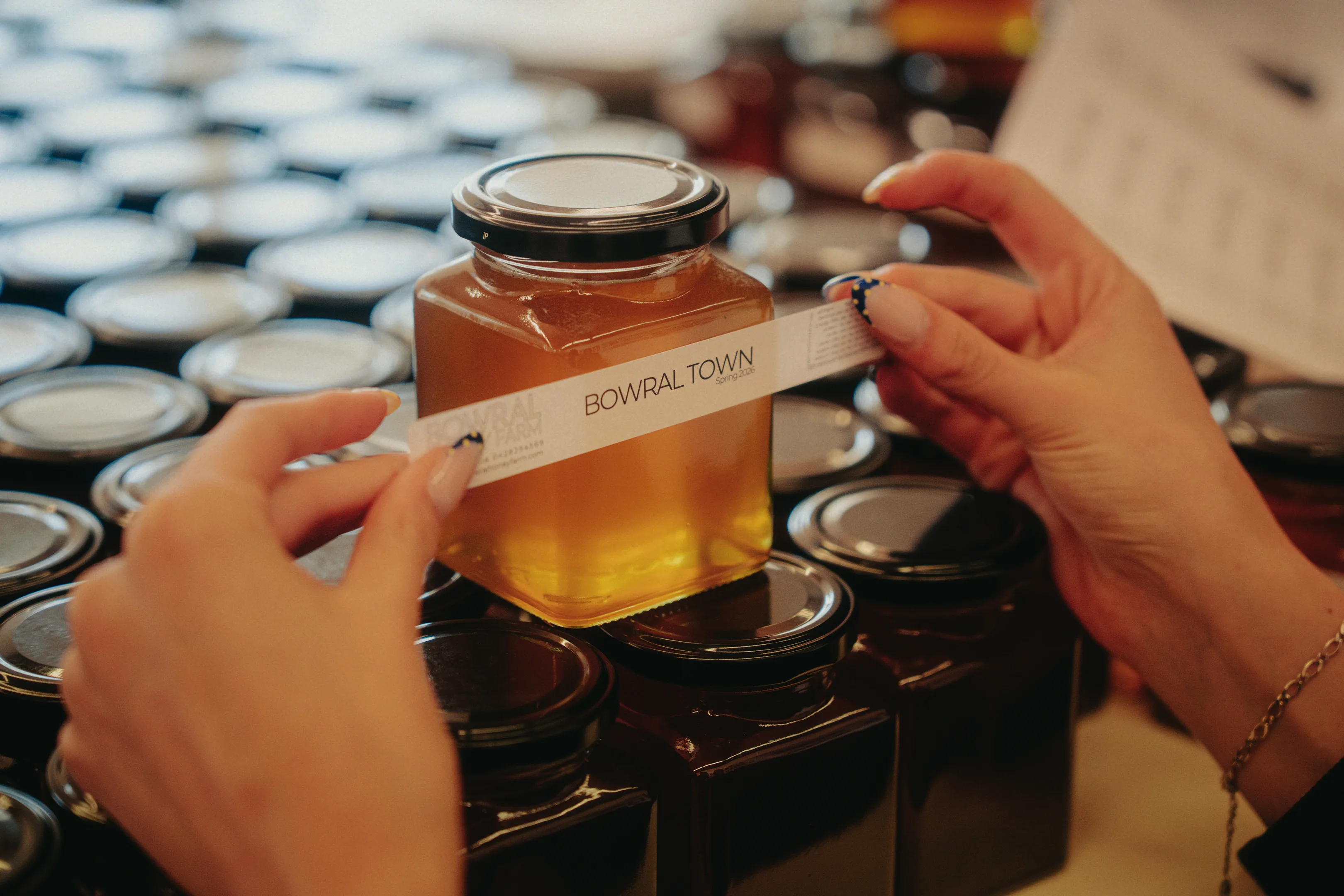
On a typical weekend, visitors arrive for tours of the hives before returning to the farmhouse to taste six different honeys. Behind the scenes, Ta-mé might be up before dawn checking his colonies, followed by staff training, bookkeeping, stock management and deliveries. After school, teenagers who work at the farm arrive to help fill jars.
The business now employs 13 people, which has brought the new challenge of learning to delegate. “As a small business, you do everything yourself, then as you scale a bit, you have to bring on other people,” Ta-mé says.
He says letting go is particularly difficult when the business is your own creation, but his previous careers have helped. He knows how to brief a photographer, work with a designer, and navigate the marketing and communications side of the business, drawing on his past experience and learning as he goes. “I wouldn’t have had the skills to run this business five years ago like I am now, I’ve gone step by step.”
That extends to the less romantic parts of running a small business, like bookkeeping and ordering equipment. When he places the occasional large order of custom beekeeping suits from overseas, he pays with Mastercard for the transaction – something he says helps take some of the friction out of international payments. “It’s lovely sending large payments to an overseas country and knowing there’s a very large organisation behind you if something goes wrong.”
While some equipment comes from overseas, the hives themselves come from the local Men’s Shed, where Ta-mé commissions the group to make them. It’s one of several ways he keeps the business connected to the local community, whether that means employing local teenagers, working with other community groups, or inviting neighbours onto the farm.
This article is produced by Broadsheet in partnership with Mastercard. Every small business starts with a dream. Mastercard provides the infrastructure that helps businesses grow with confidence, so ambition can become something priceless.

Produced in partnership with Mastercard.
Learn more about partner content on Broadsheet.
About the author
Quincy Malesovas is a Melbourne-based freelance food writer, founder of Gruel and co-editor of Mince. She’s been writing for Broadsheet since 2019.
-8e7567febd.webp)
MORE FROM BROADSHEET

-cc7203651b.webp)