Brendan Pang Is Part of a Movement Making Dining Out Less Overwhelming for Those With Sensory Needs
Words by Quincy Malesovas · Published on 29 Sep 2026
For some diners, going out to eat is a chance to relax. For others, it’s an opportunity to be pleasantly surprised – by an unfamiliar ingredient, a new restaurant or a menu they’ve never encountered before. But when you’re neurodivergent, the same unpredictability that makes dining out exciting can also be overwhelming.
A loud room, harsh lighting, unfamiliar textures or a menu that doesn’t clearly explain what’s coming can easily turn a meal into a source of stress. And variables like where you’re seated or how long you need to wait have the capacity to make or break a dining experience.
These considerations aren’t often part of the conversation around hospitality. Restaurants spend plenty of time thinking about their interiors, acoustics, lighting and music, but there’s less common knowledge around how those elements can affect people differently, or what practical changes can make a venue easier to navigate for a wider range of diners.
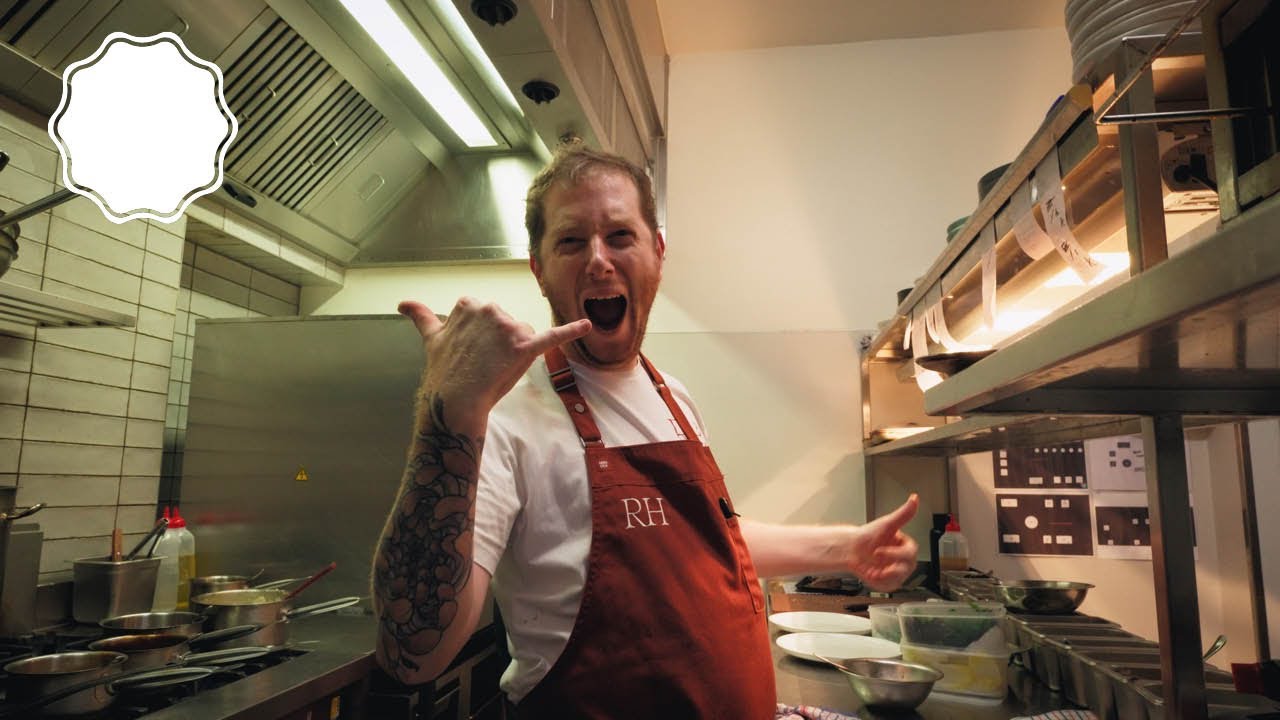
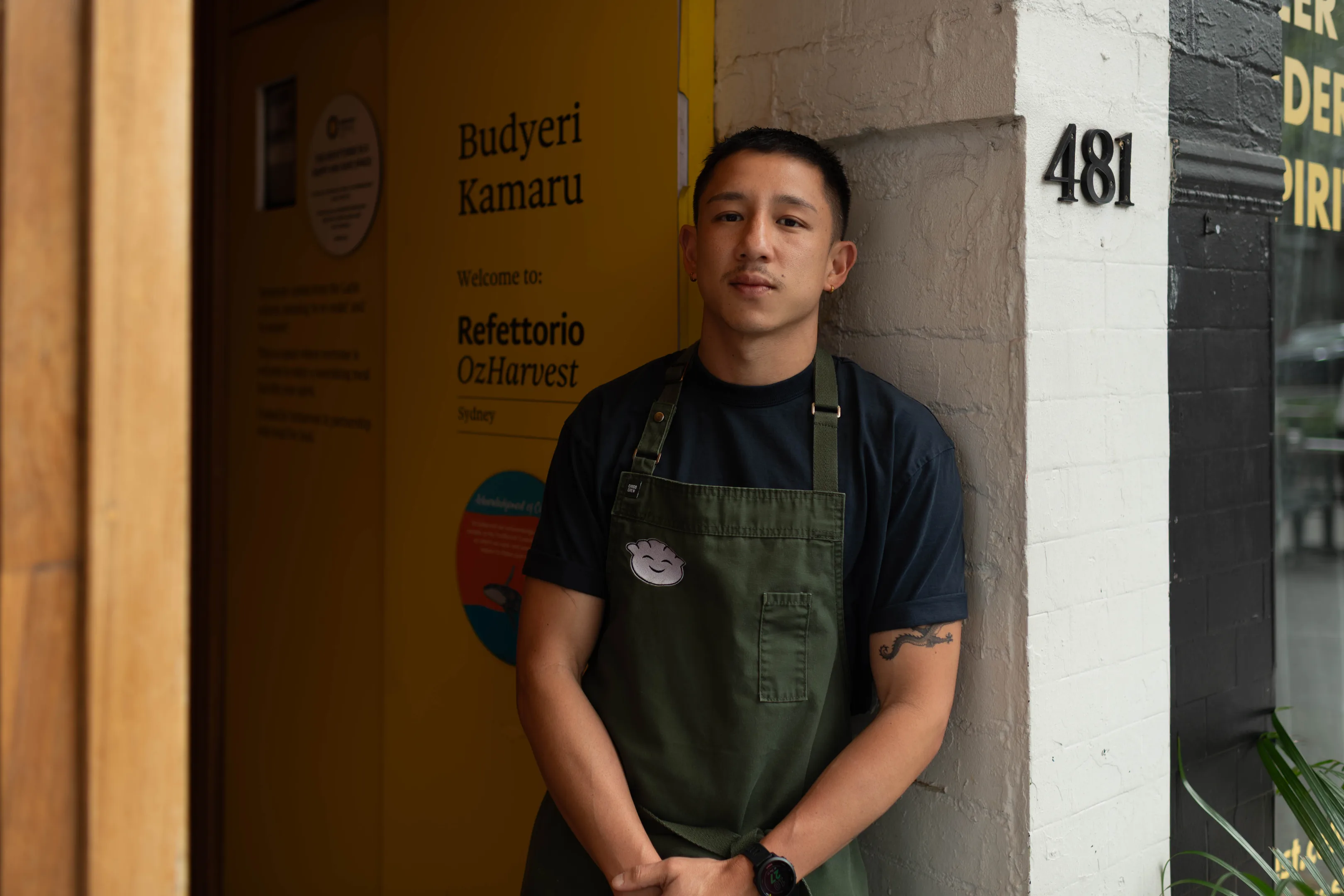
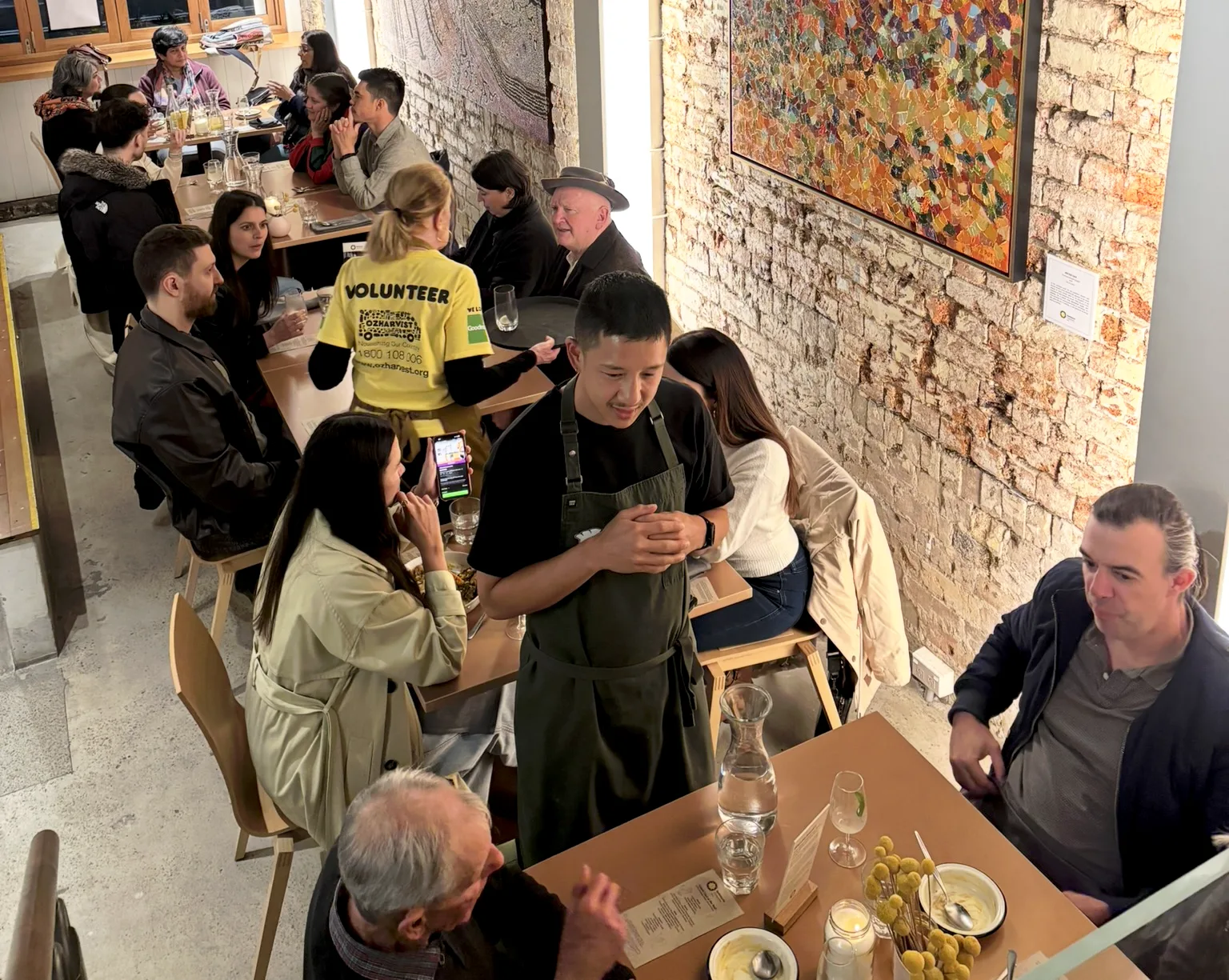
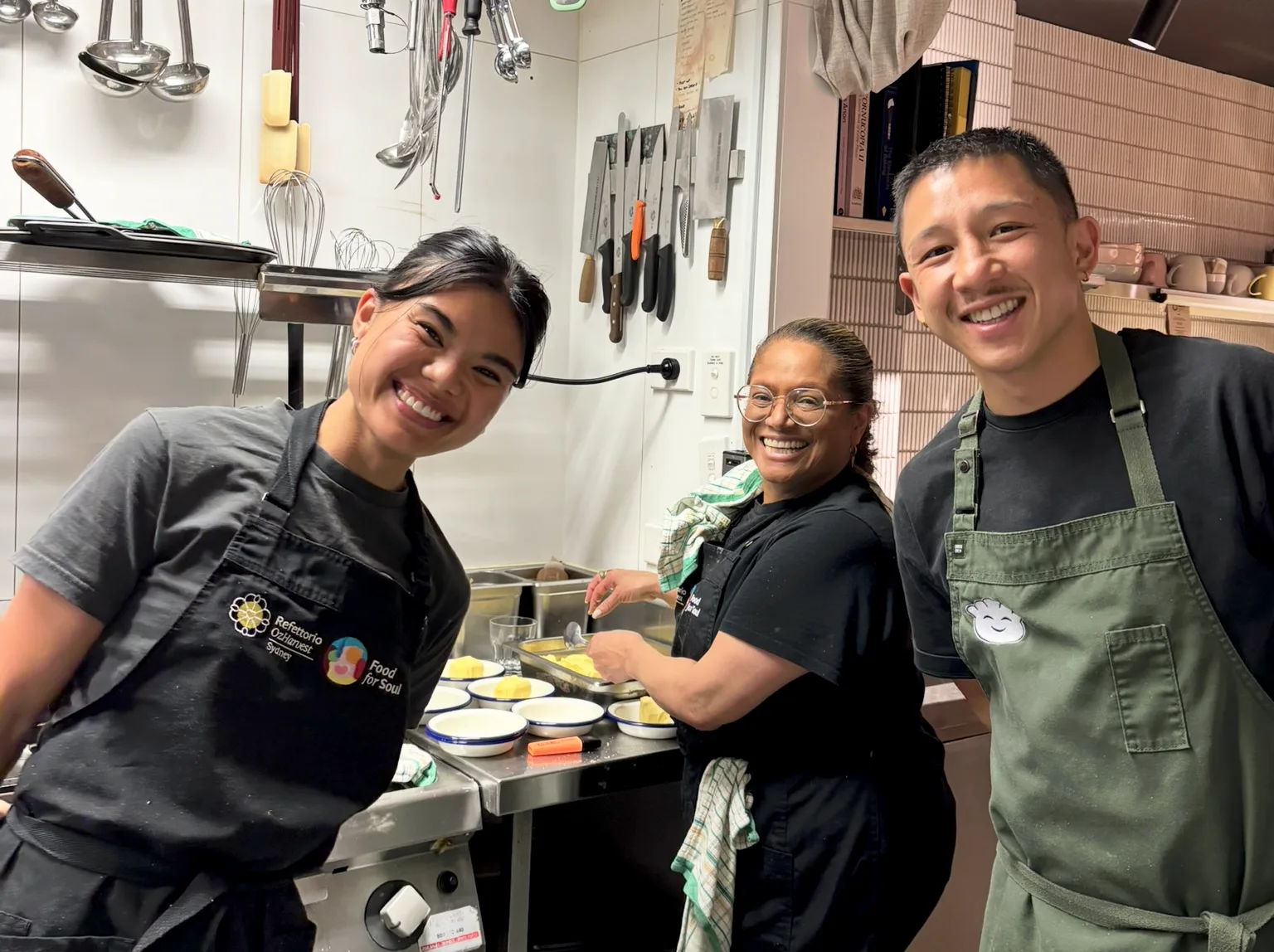
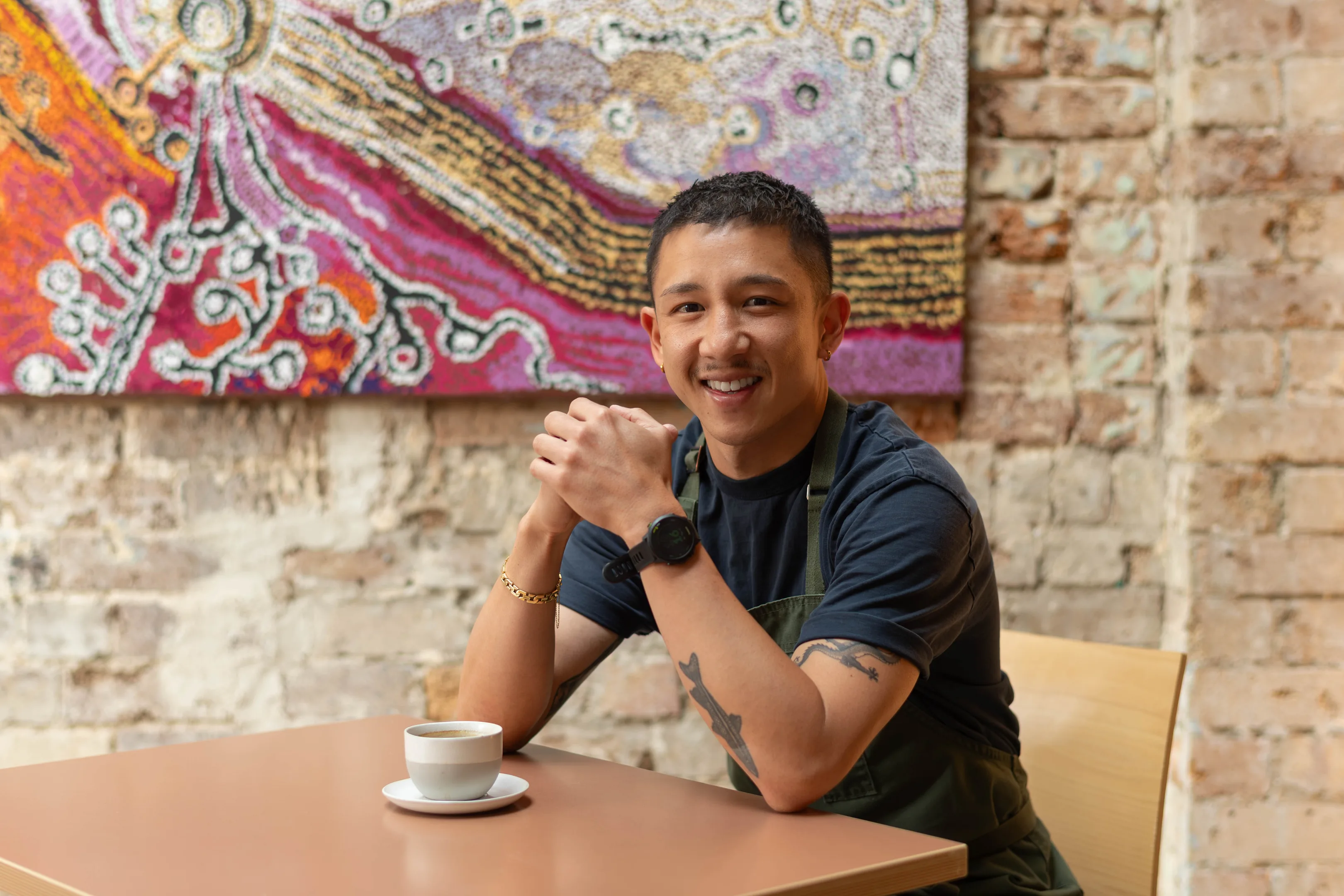
Chef Brendan Pang started thinking more seriously about those questions while preparing a dinner for this year’s Dine Out festival in Sydney, and reworked his one-night event at Refettorio Ozharvest with sensory considerations built into the experience from the beginning.
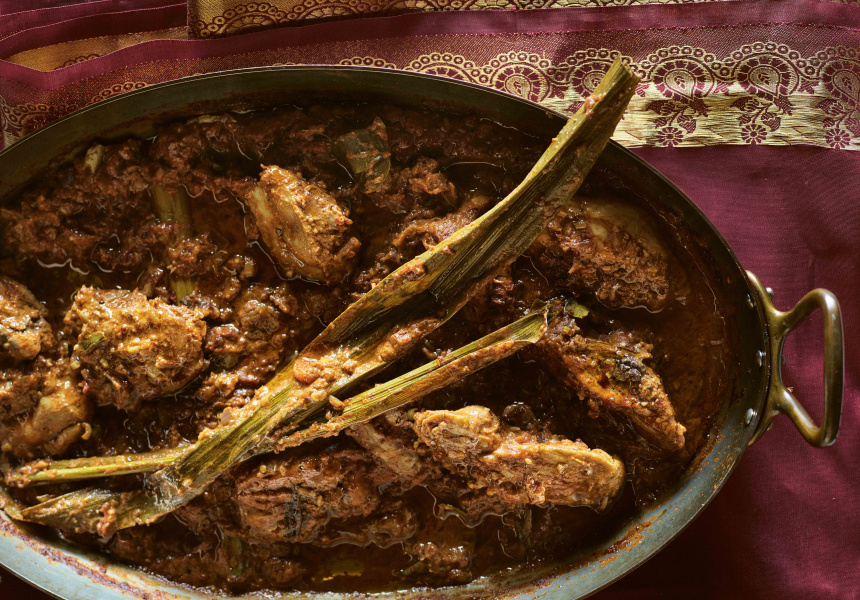
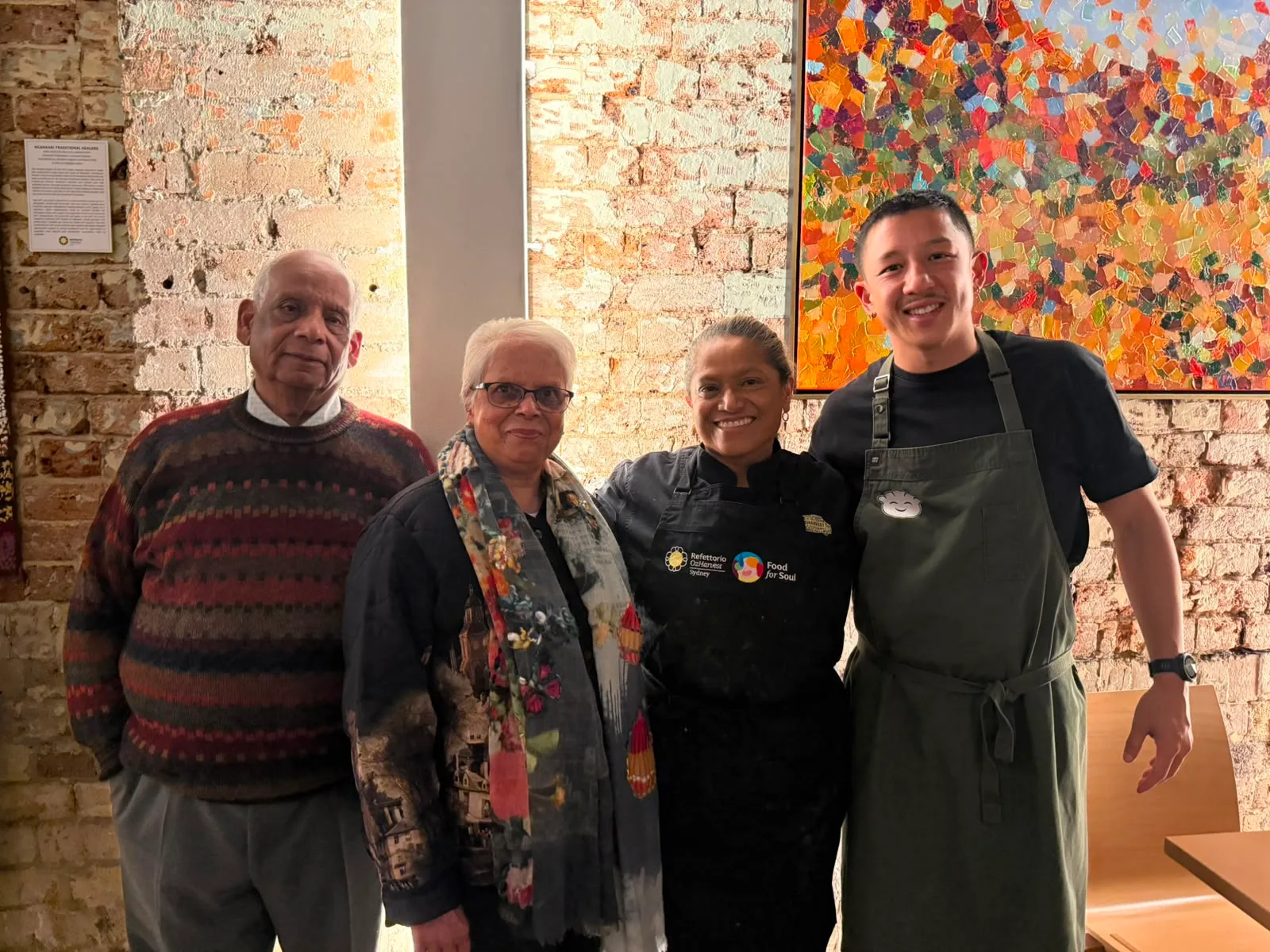
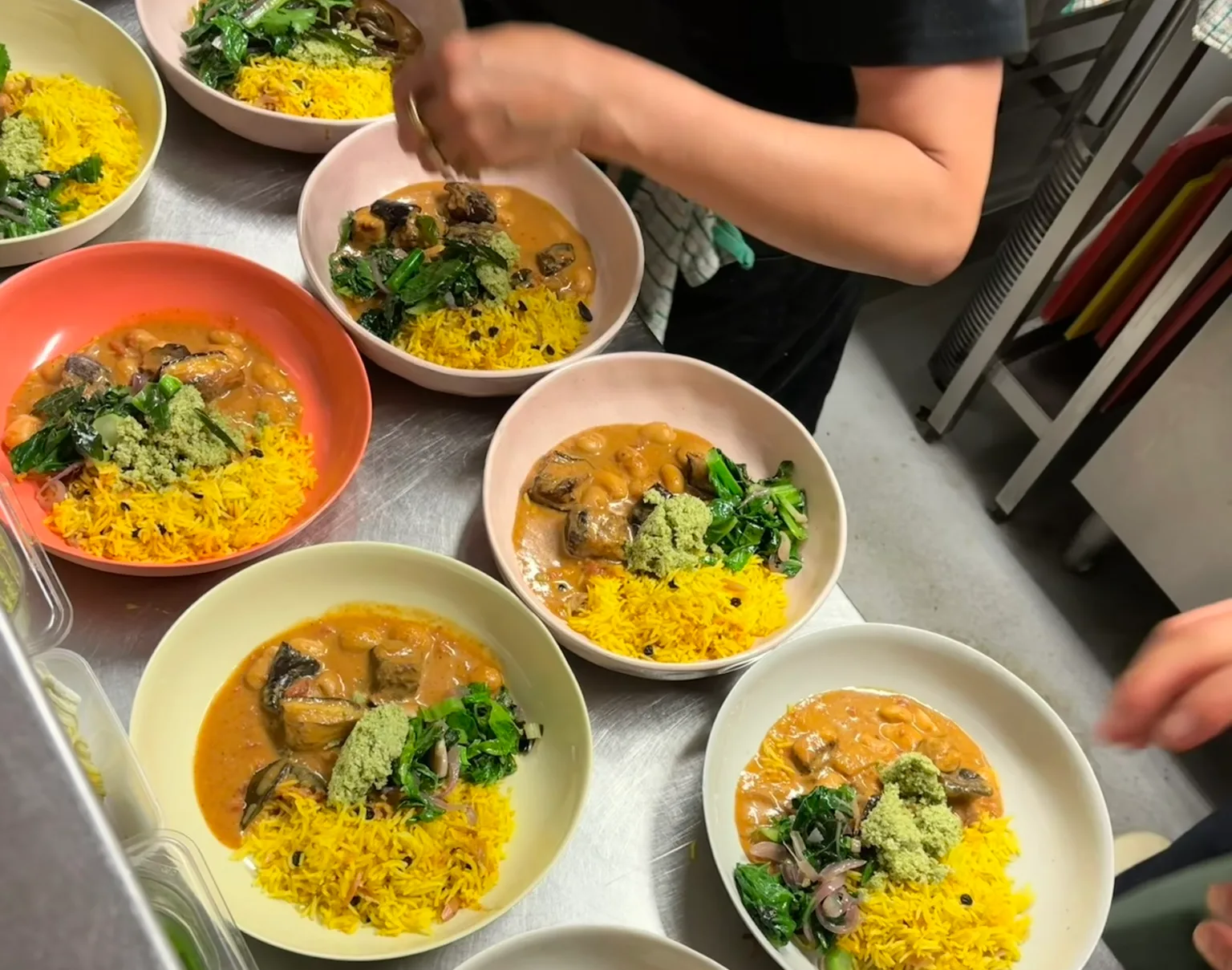
It was also an opportunity for the former Masterchef contestant to cook food that was personal to him. The chef, who has become known for his Chinese-influenced dishes, also shares a Mauritian heritage with Refettorio head chef Pascale Rose, and says he’s increasingly drawn to the food he grew up eating.
“It was my first time leaning into Mauritian food for an event,” he says. “I’ve been known for dumplings and Asian food for such a long time.”
The food was only one part of the consideration. Refettorio is a different kind of dining environment: the venue doesn’t serve alcohol, uses rescued produce and operates as a vegetarian kitchen, with food tied to its broader purpose of reducing waste and feeding people in need.
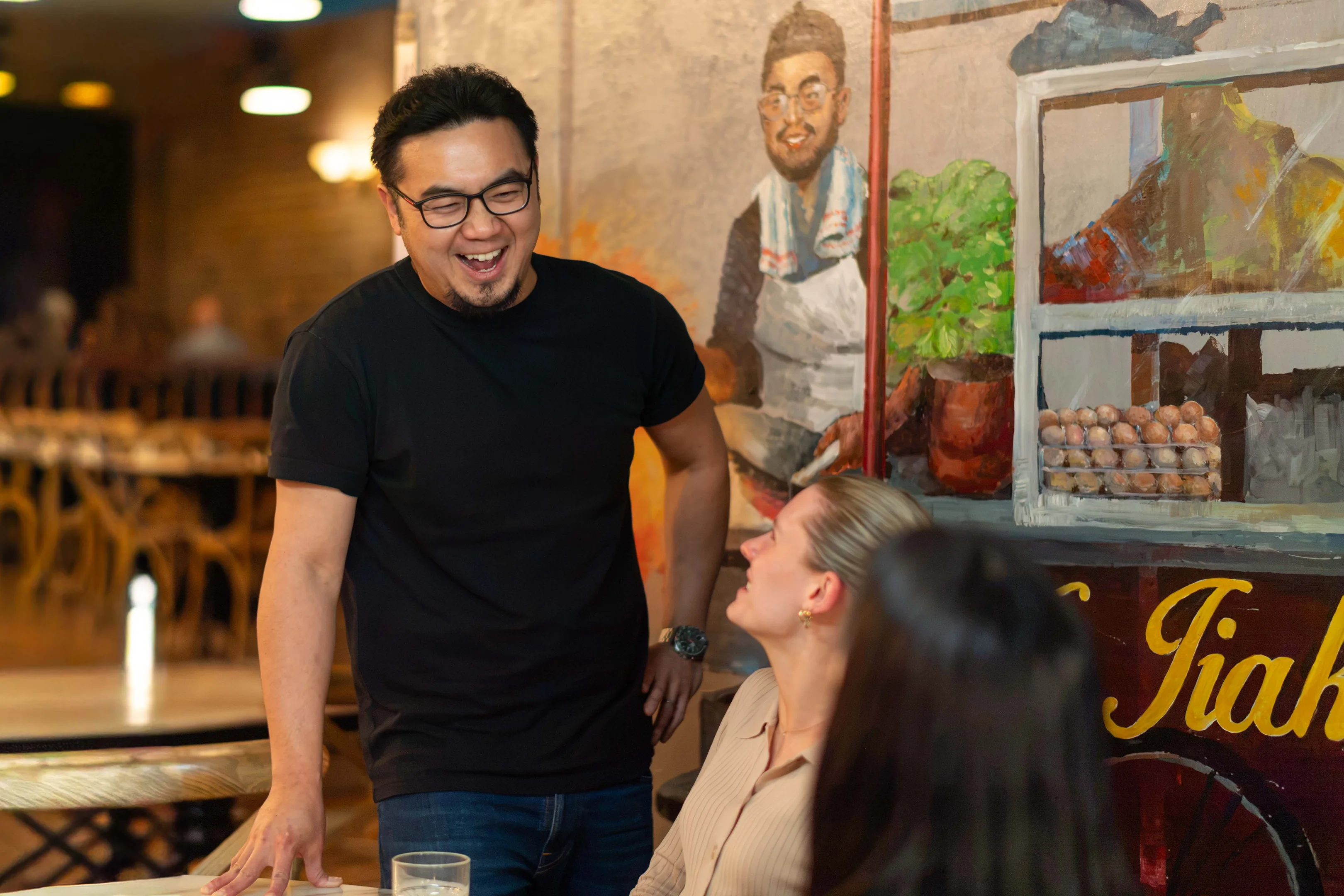
That meant there were already plenty of elements that might be unfamiliar to guests. Rather than leaving diners to work the menu out for themselves, Pang spent much of the evening moving between tables, talking people through the dishes and the thinking behind the dinner.
“I spent a lot of time going to every single table, to each guest, and making sure that they were all comfortable and understood the menu,” he says. “I talked them through the concept as well, because Mauritian food is something not many people have had.”
The menu also featured tasting notes giving diners an idea of what to expect before each dish arrived. For guests unfamiliar with Mauritian food, knowing whether something would be spicy, tangy or sweet offered a little more certainty around an otherwise unfamiliar meal.
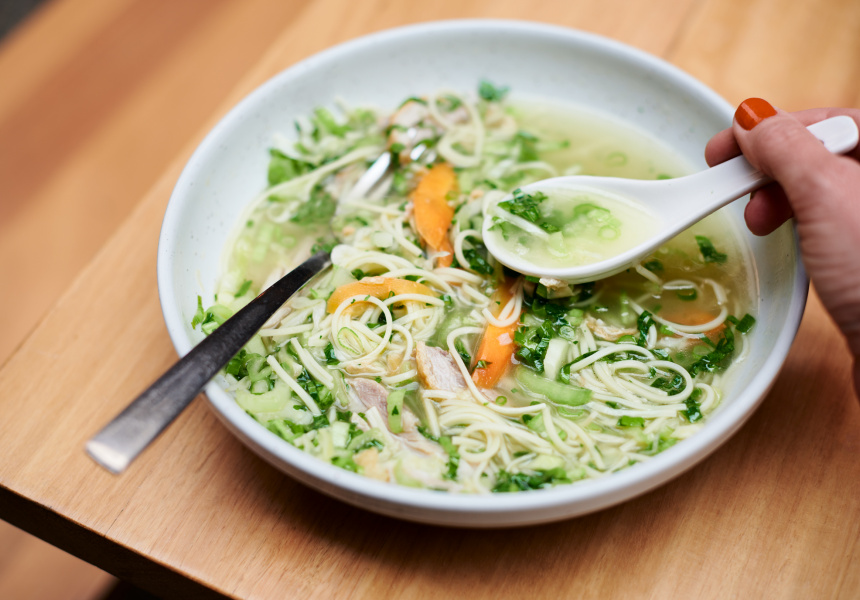
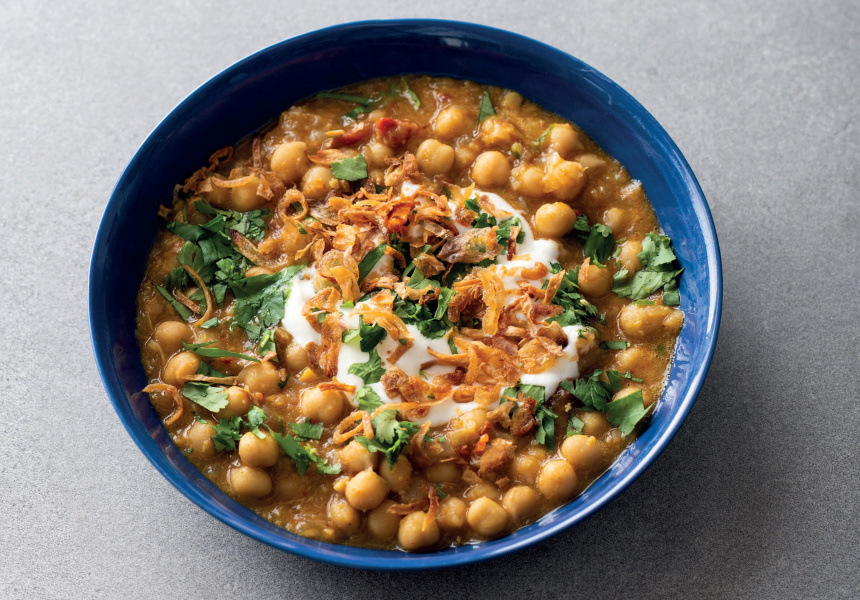
One example is the gateau arouille, a Mauritian street-food snack made from shredded taro, formed into small fritters and deep-fried before being served with chilli sauce. It’s part of the broader tradition of gadjac, a category of small fried street foods found across Mauritius.
“It’s kind of savoury, sweet, crunchy,” he says, and these notes were all shared on the menu. “It’s got a lot of different things that make it really special.”
That kind of communication may sound like a minor detail, but for someone who finds unfamiliar environments or unexpected situations difficult to navigate, knowing what to expect can make a meaningful difference.
The menu included sensory notes – an initiative supported by Mastercard’s Inclusion Matters program – to help diners better understand what to expect from each dish. Designed to make dining experiences more accessible, sensory notes provide clear descriptions of a dish’s taste, texture, appearance and potential allergens, reducing uncertainty before food arrives at the table.
For guests unfamiliar with Mauritian cuisine, the additional context assisted them with navigating new flavours and ingredients. Diners were given a clearer picture of what would be served, rather than relying on dish name alone.
Pang’s event wasn’t the only one at Dine Out to implement an inclusive menu – Seb Pasinetti’s collaboration with Rocco’s Bologna Discoteca also utilised sensory menus on the night to make the dishes more understandable for all diners.
Making a restaurant more inclusive doesn’t necessarily mean stripping away what makes it interesting. In many cases, it can be as simple as giving diners more information, making sensory conditions clearer, or creating different ways for people to engage with a meal.
Pang’s dinner was an example of what can happen when those considerations are built into an event rather than treated as an afterthought. And the more openly the industry talks about them, the easier it becomes for other venues to consider what inclusion might look like in their own spaces. It can start with something as simple as rewriting menus before leading to bigger changes that help different kinds of diners feel comfortable while eating out.
This article is produced by Broadsheet in partnership with Mastercard. Find out more about sensory notes and 24 other measures your business can adopt to create more inclusive spaces for neurodivergent people, their families and community.

Produced in partnership with Mastercard.
Learn more about partner content on Broadsheet.
About the author
Quincy Malesovas is a Melbourne-based freelance food writer, founder of Gruel and co-editor of Mince. She’s been writing for Broadsheet since 2019.
-8e7567febd.webp)
MORE FROM BROADSHEET

-cc7203651b.webp)