Chef’s Kiss: Supermarket Ghee Tested and Rated by Helly Raichura
Words by Helly Raichura · Published on 21 Sep 2026
There is no ingredient more essential to Indian cooking than ghee. Made by simmering fermented cream or butter until the water evaporates and the milk solids have separated, ghee is a rich golden fat with a very high smoke point, making it perfect for frying and sauteeing. Depending on the region, ghee is also used in a variety of other culinary applications, from blooming aromatics and spices to enriching breads and festive sweets, with its nutty flavour and fragrance.
As I wrote in The Food of Bharat, ghee also has deep religious and cultural significance in India. It’s used as an offering to the sacred fire in Hindu ceremonies, with cows owned and nurtured by many households being fed according to strict religious guidelines. Ancient ayurvedic texts also prescribe ghee as a cure for ailments, and is still consumed as part of Ayurvedic practice today. It’s even become a staple in Western wellness culture in Paleo and keto diets due to its pure fat content.
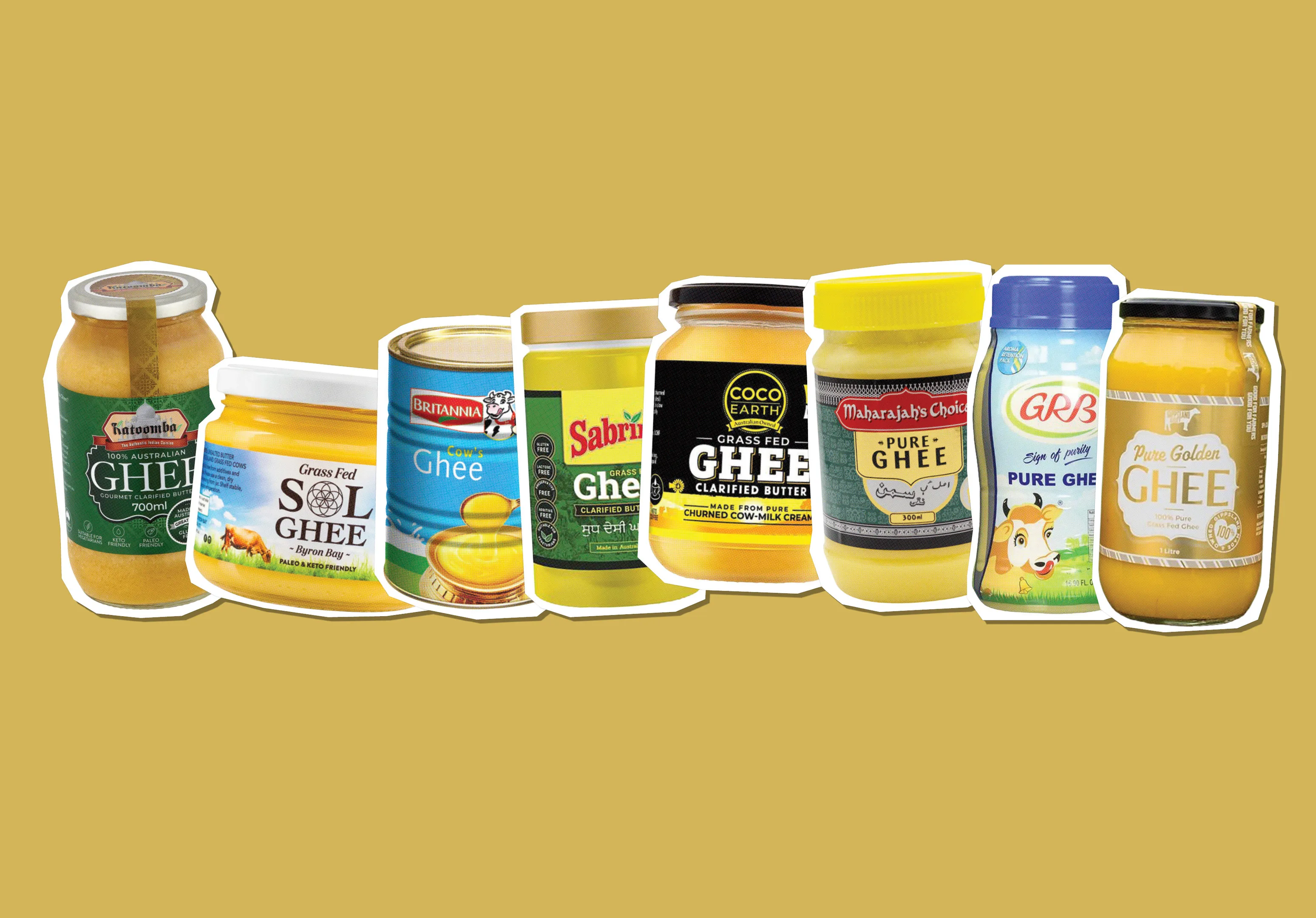
The ingredient’s growing popularity in Australia means there are now more products available than ever, making it a good time to test a range of common brands. At Enter Via Laundry, we use Pure New Zealand ghee, which you can find in select Indian grocers but not at the major supermarkets. For this edition of Chef's Kiss, I focused on widely available supermarket brands, basing my scores on flavour, fragrance and texture.
Texture is particularly important to me. I understand why many cooks may prefer a smooth, uniform ghee for ease of use in the kitchen, but I personally prefer a more granular style of ghee. Those little clusters of fat give more character to the product, as well as a satisfying melt when eaten at room temperature.
I also looked for a deep, golden-yellow colour. To me, this is an indication of the quality of the base dairy product, as well as giving the ghee a richness I find appealing. The very pale products were generally less appealing to me in this tasting and scored lower as a result.
The most interesting thing was that all these lacked the deeply nutty flavour and funky, fermented fragrance of traditional homemade Indian ghee. My mother would make ghee by collecting cows-milk cream over time, allowing it to naturally ferment, and then cooking it slowly until the milk solids separate and caramelise. That process creates a distinctive character which, for me, is one of the defining characteristics of really good ghee.
It’s not especially difficult to make ghee at home, but some of these products are fantastic substitutes. I tasted all of them individually, and used them in my home cooking over several weeks. I’d pair them with chapatis, add a big dollop to rice, and use them to temper spices and aromatics in a vaghar (also known as tadka or chaunk) to boost a dish’s flavour.
I found myself naturally leaning towards Australian and New Zealand products, which isn’t surprising. Ghee is vastly more stable than fresh butter or cream, but it’s still a perishable dairy product. The quality and character will inevitably deteriorate as it travels from the manufacturer to supermarket shelves and is exposed to varying temperatures and other factors.
This test reinforced my feelings about store-bought ghee: always look for products that taste unmistakably of good dairy – something nutty, fragrant and rich, with enough texture and character that’s enjoyable not just as a cooking fat, but as an ingredient in its own right. Also, to support our local producers and reduce our carbon footprint at the same time.
Gippsland Jersey Golden Ghee
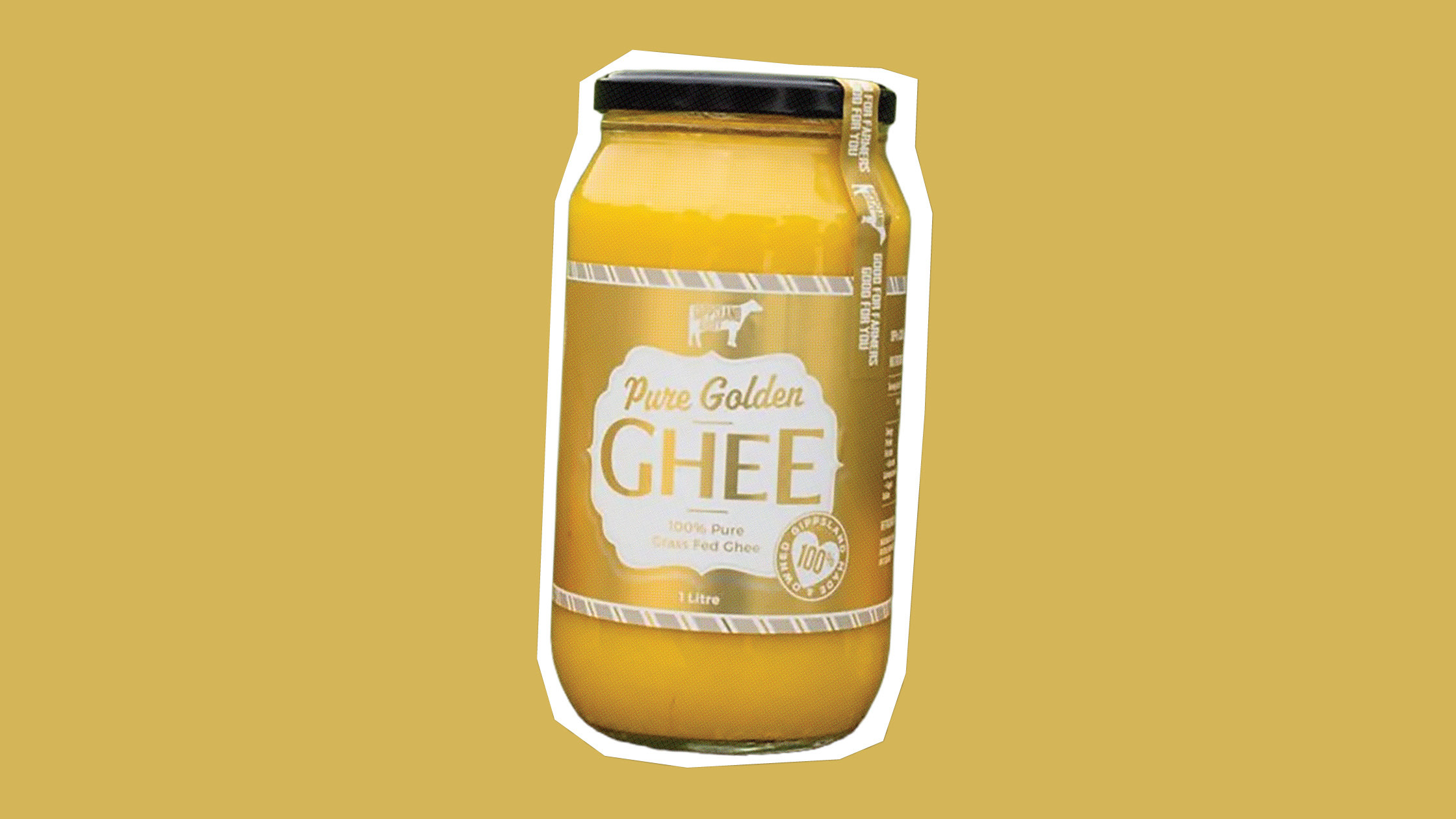
Sample price: $17 (300ml) from Gippsland Jersey
Ingredients: cultured jersey cow butter
Product of Australia
Nutty and smooth with a medium caramel fragrance. It had a nice and vibrant colour, and the freshness was immediately clear when I opened the jar. It might not be made in the traditional way I grew up with, but Gippsland Jersey was one of the strongest products for me, particularly as a cooking ghee. But it was also excellent for eating raw, too. 5/5
Katoomba
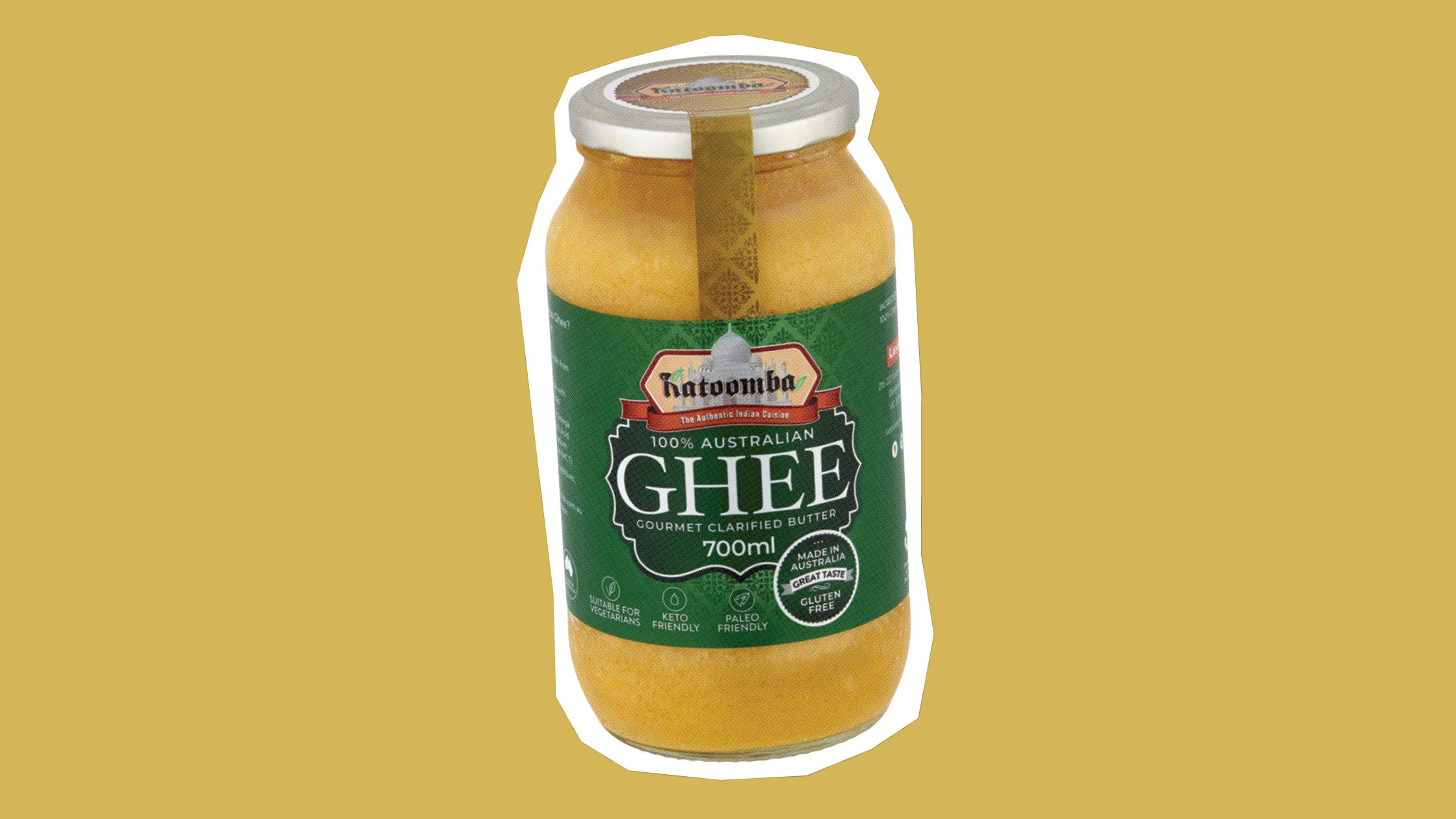
Sample price: $20 (700ml) from Woolworths
Ingredients 100 per cent clarified butter
Product of Australia
Nutty, grainy and with the strongest caramel character of the group. The deeper yellow colour and texture particularly stood out to me. Even after heating it and adding spices, it still imparted a creamy, caramel note to the dish. It also excelled in a dessert application, where I used it to fill dates before chilling them in the fridge. The best for eating raw or at room temperature. 5/5
Sabrini
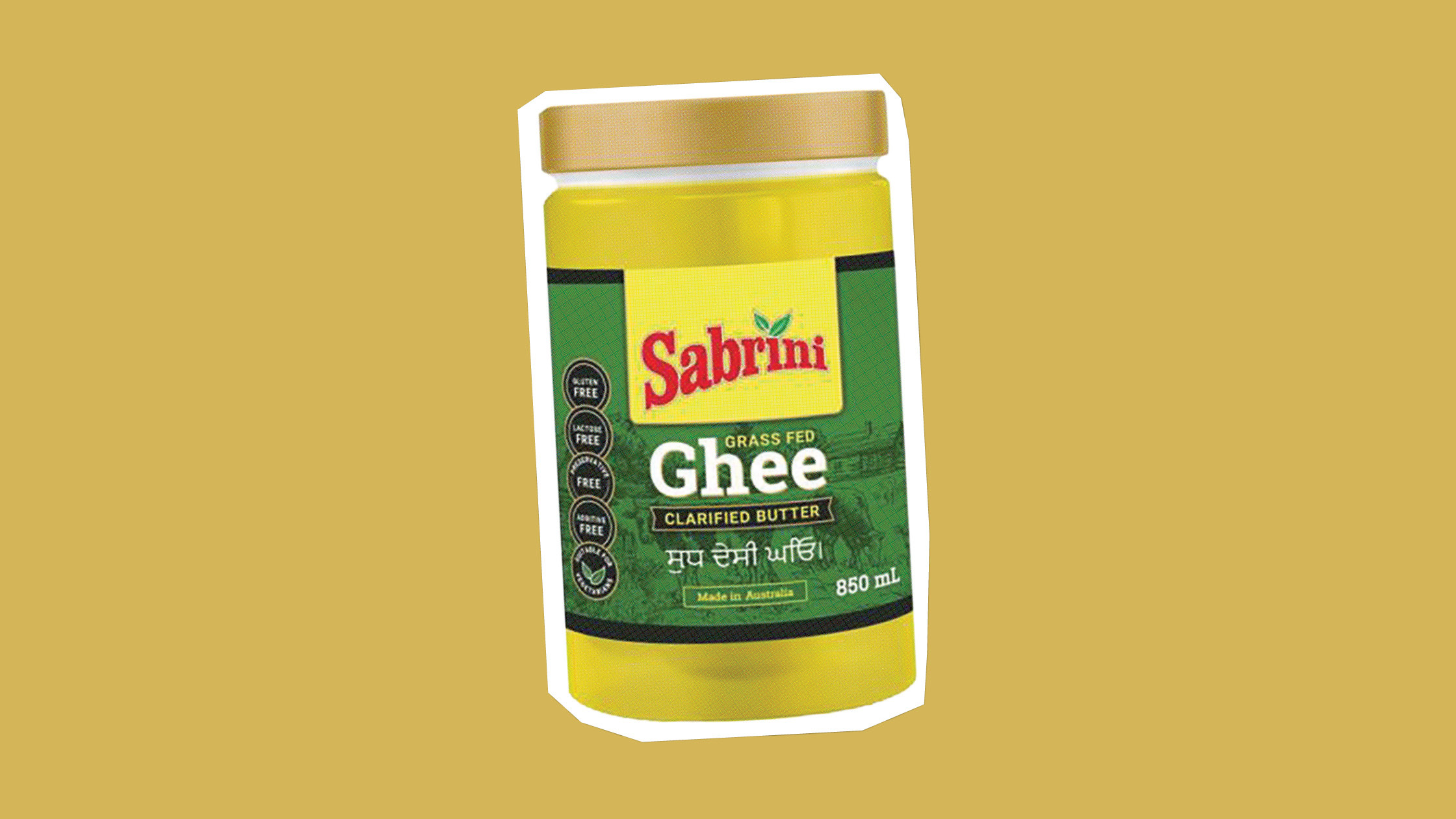
Sample price: 15.99 (400ml) from select grocers
Ingredients: Cows milk fat (contains milk)
Product of New Zealand
Of the more widely available products in this test, Sabrini would be my second choice after Katoomba for its yellow colour, nutty flavour and pleasant medium-caramel fragrance. The texture was smoother than I usually like, but this is a great all-rounder product. Like Katoomba, it comes in a variety of sizes if you’re wanting to buy in bulk. 4/5
Sol Organic
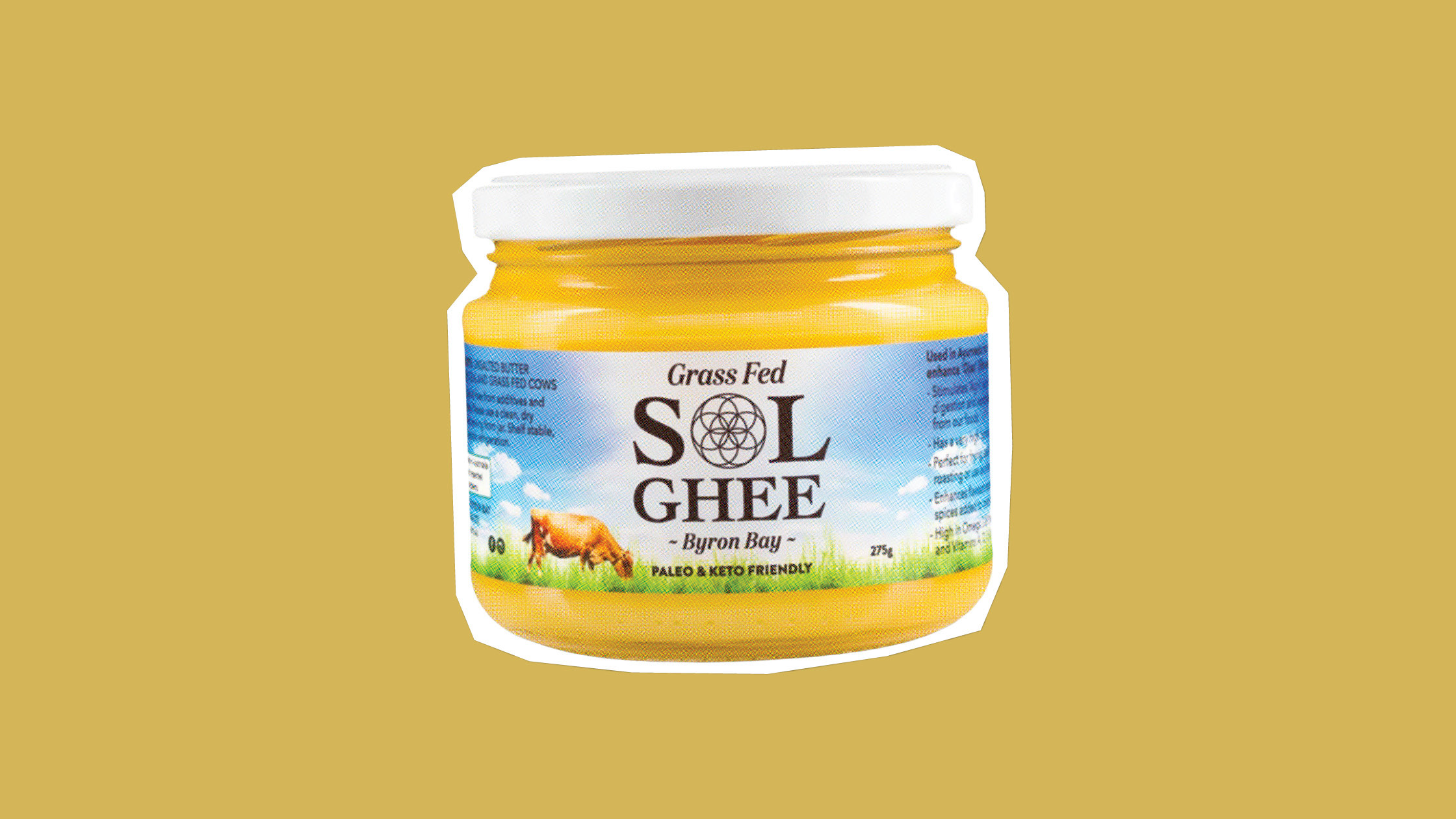
Sample price: $19.99 (275ml) from selected grocers
Ingredients: 100 per cent grass-fed unsalted butter
Product of Australia
Pale yellow in colour, with a cream-like fragrance and smooth texture. I’d hoped Sol Organic would be outstanding since it’s local, grass-fed and organic. But the flavour was quite pasty compared to the higher-scoring products. This would be fine to use for any cooking application, but given the price, you might consider another product with the same score. 3/5
Coco Earth
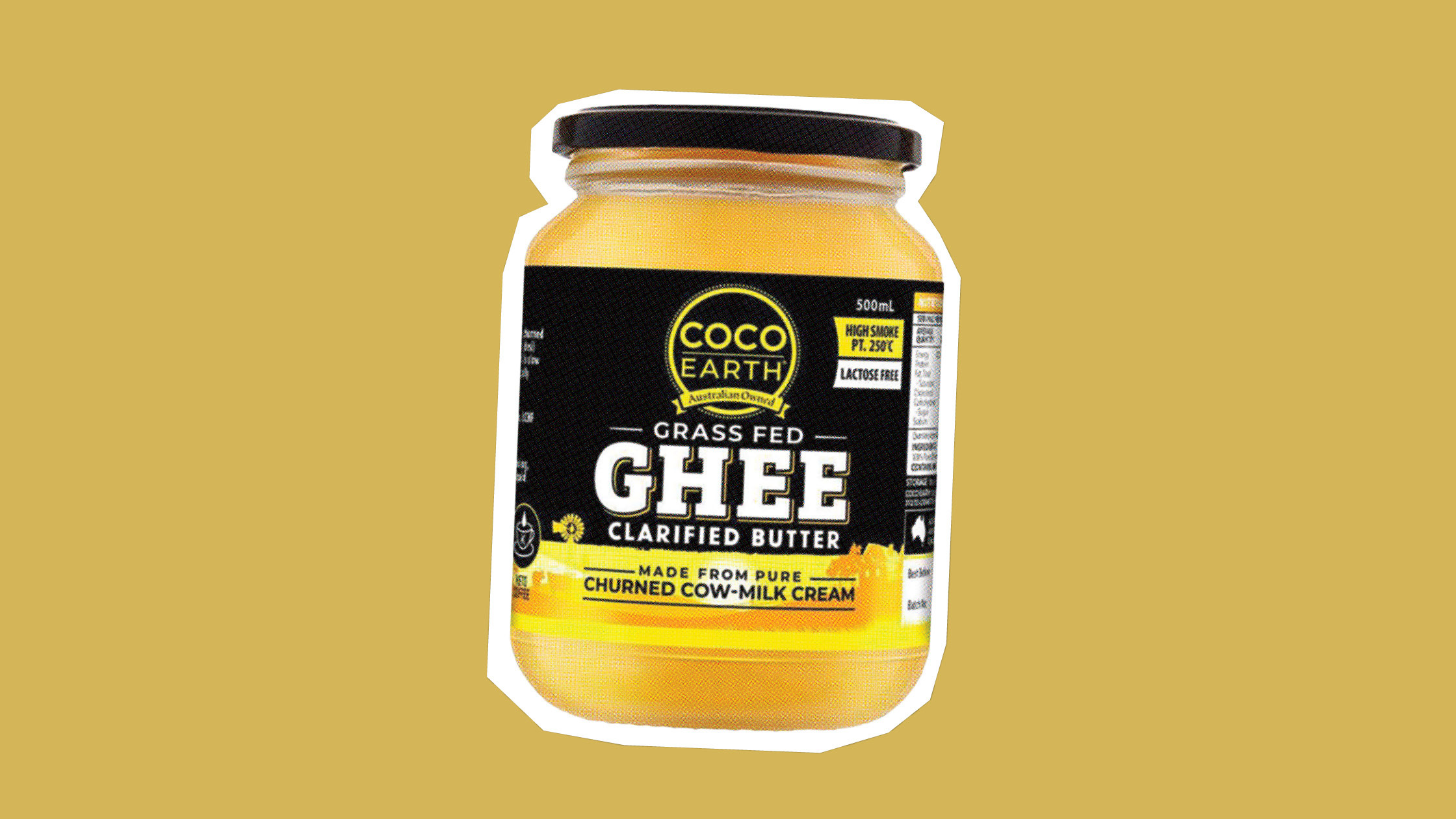
Sample price: $13 (500ml) from Coles
Ingredients: 100 per cent pure ghee butter (cow milk fat)
Product of India
Yellow colour and cream-like fragrance. The texture was smooth, with a buttery flavour to match. Coco Earth would easily be the most accessible product on this list as it’s reliably stocked in both major supermarkets as well as Aldi stores. Katoomba or Sabrini would be superior choices if you can hold out for them, but this would do just fine for everyday frying or sauteeing. 3/5
GRB
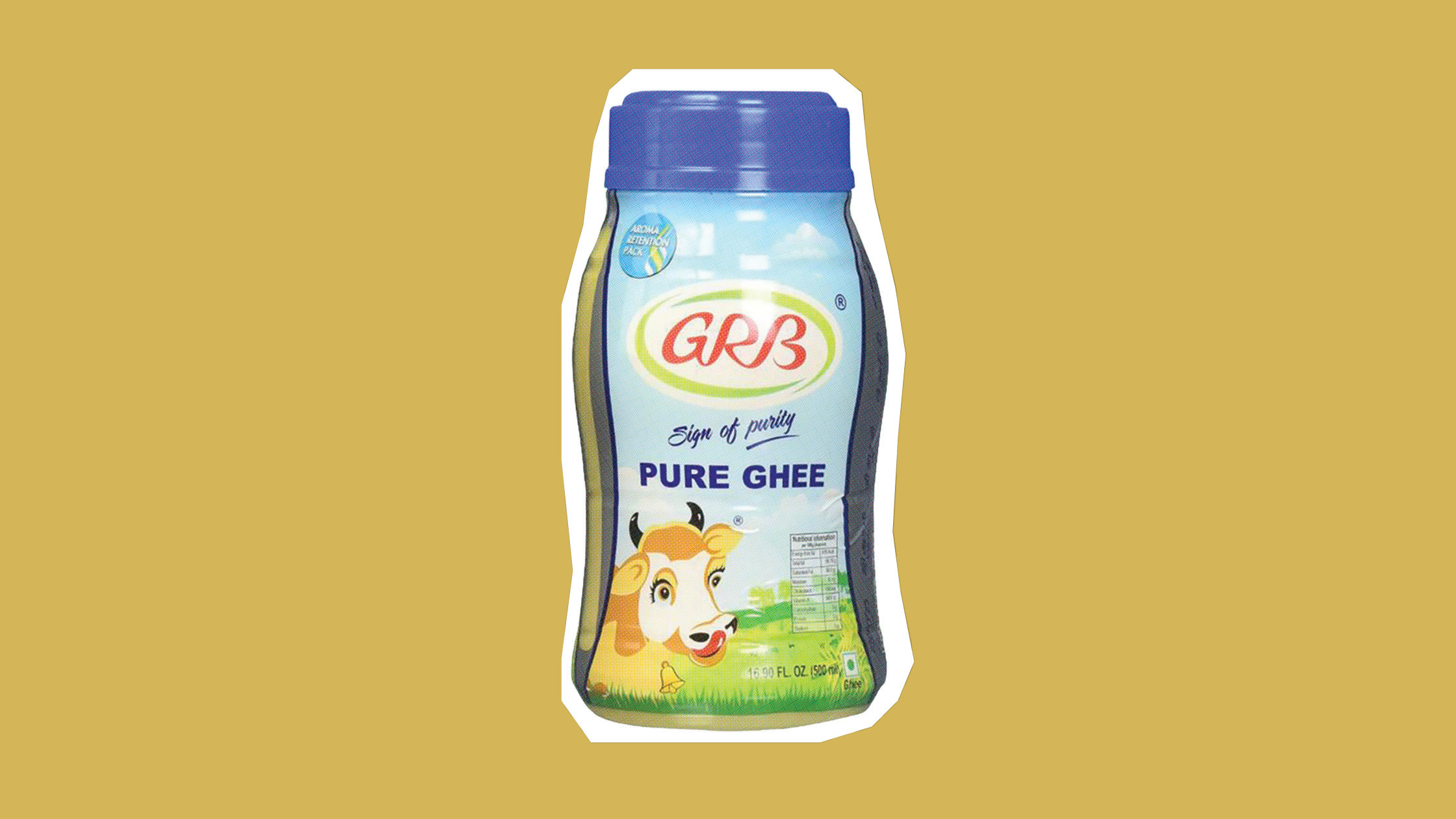
Sample price: $11.50 (500ml)
Ingredients 100 per cent pure milk fat
Product of India
Milky fragrance and “fatty” flavour. I was surprised to find GRB had the granular texture I really enjoy in ghee, but I still think this would be interchangeable with some of the other products in this score range. 3/5
Brittania
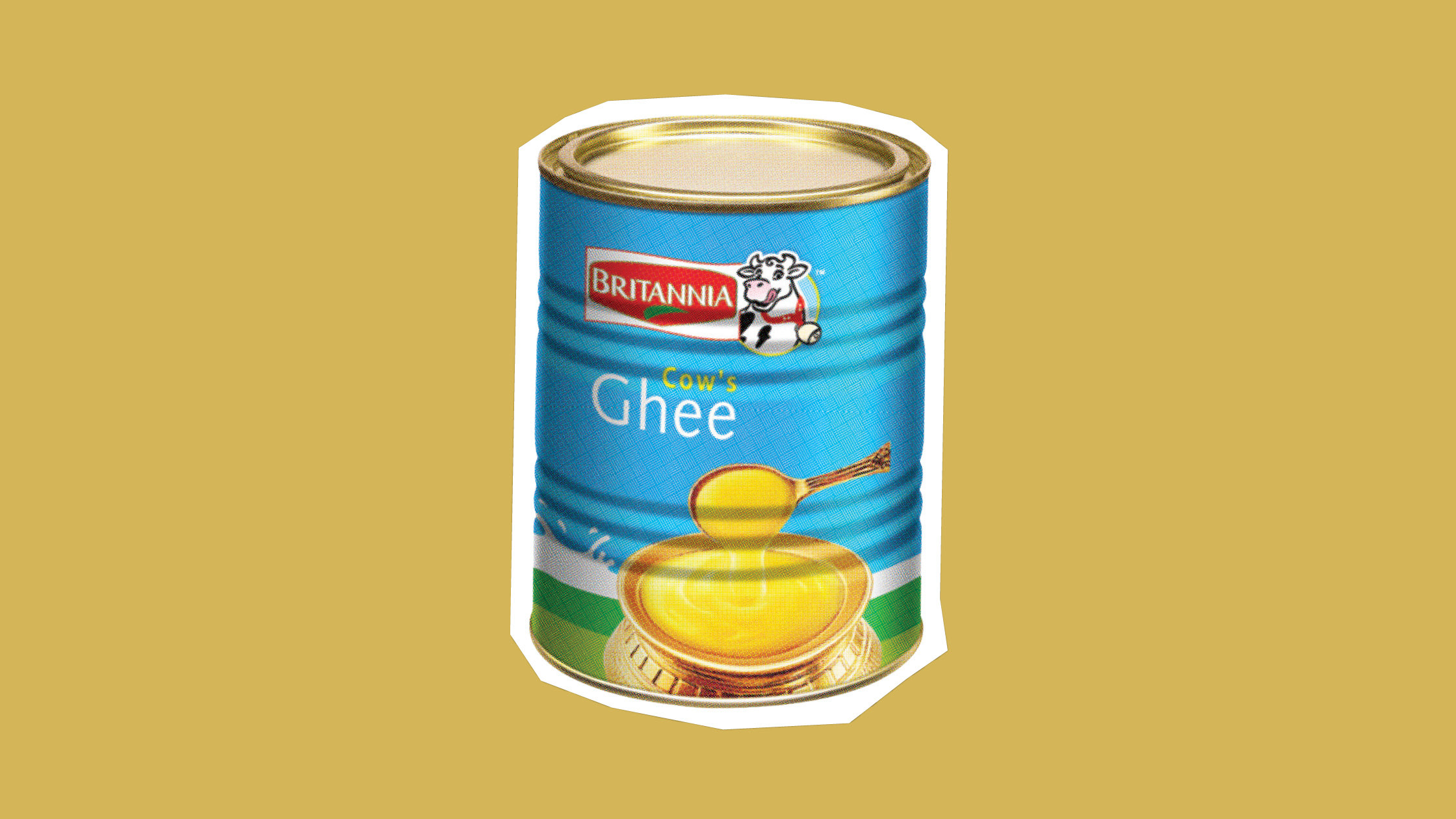
Sample price: $11 (500ml) from Coles
Ingredients: clarified cow milk fat
Product of India
Similar milky fragrance and fatty flavour to the GRB product. The only major differences were the smooth texture and the tin container, which thankfully didn’t impact the aroma or flavour of the ghee. 3/5
Maharaja’s Choice
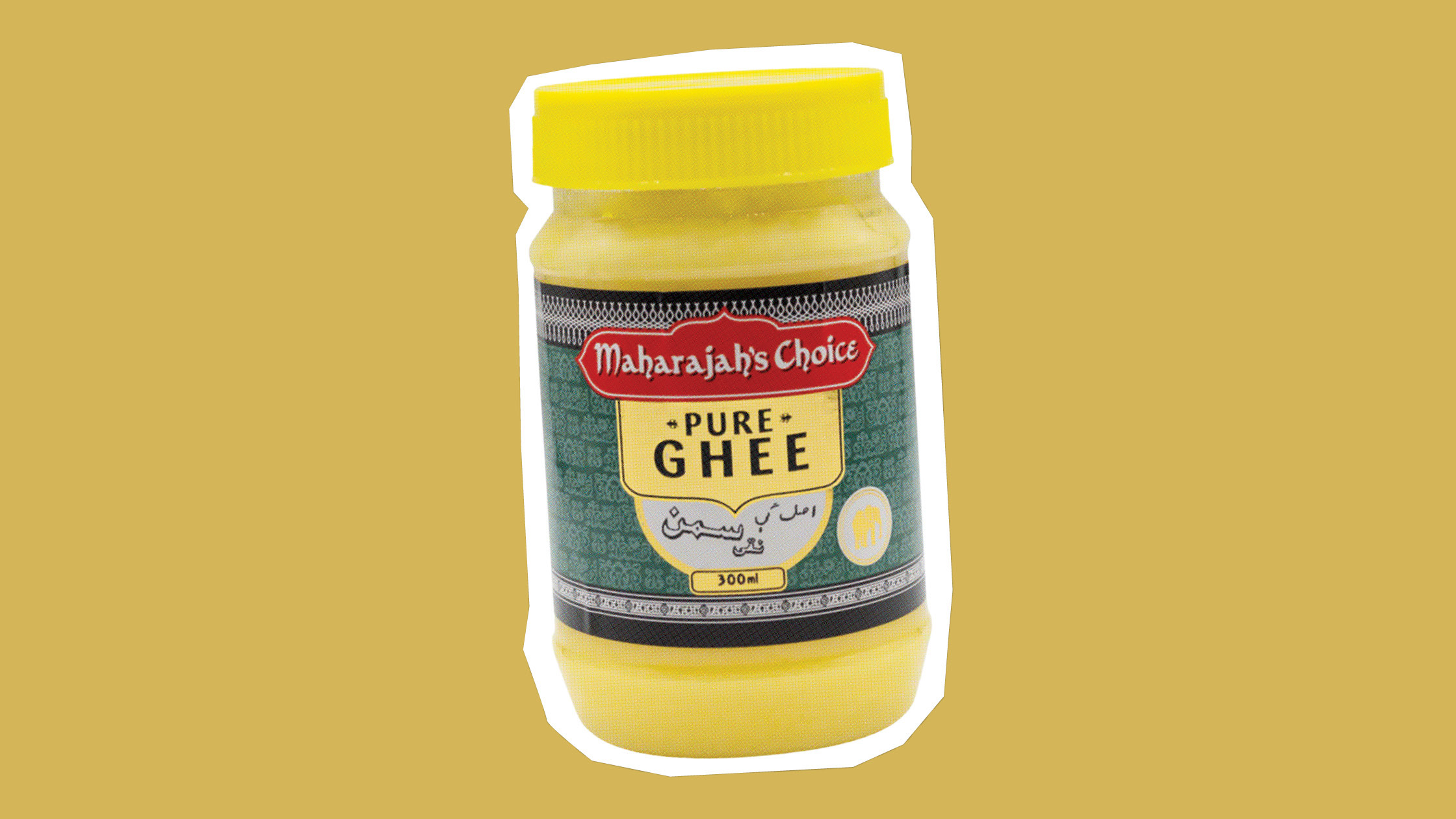
Sample price: $8.50 (300ml) from Woolworths
Ingredients: Milk fat
Packed in Australia (ingredient sources vary). Average 50 per cent Australian ingredients
Maharaja’s Choice is the other widely available product after Coco Earth, but it also happened to be my least favourite in the group. Pale colour, pasty flavour and the plastic packaging dominated the aroma. 2/5
Want more chef-approved supermarket staples? Check out Broadsheet’s Chef’s Kiss series featuring Danielle Alvarez, Brendan Pang, Julia Busuttil Nishimura and more.
About the author
Helly Raichura is a chef and owns Melbourne restaurant Enter Via Laundry.


MORE FROM BROADSHEET