Newsletters
  • Art & Design
  • Entertainment
  • Fashion
  • Food & Drink
  • Home & Lifestyle
  • Travel
  • City File
  • Things to Do
Newsletters

FashionI Run an Indie Fashion Label. This Is Why I Quit Big Stockists and Slashed My Prices

  1. Australia
  2. Fashion

COMMENT

Emily Watson

I Run an Indie Fashion Label. This Is Why I Quit Big Stockists and Slashed My Prices

Emily Watson is the founder and designer of her eponymous Melbourne fashion label.
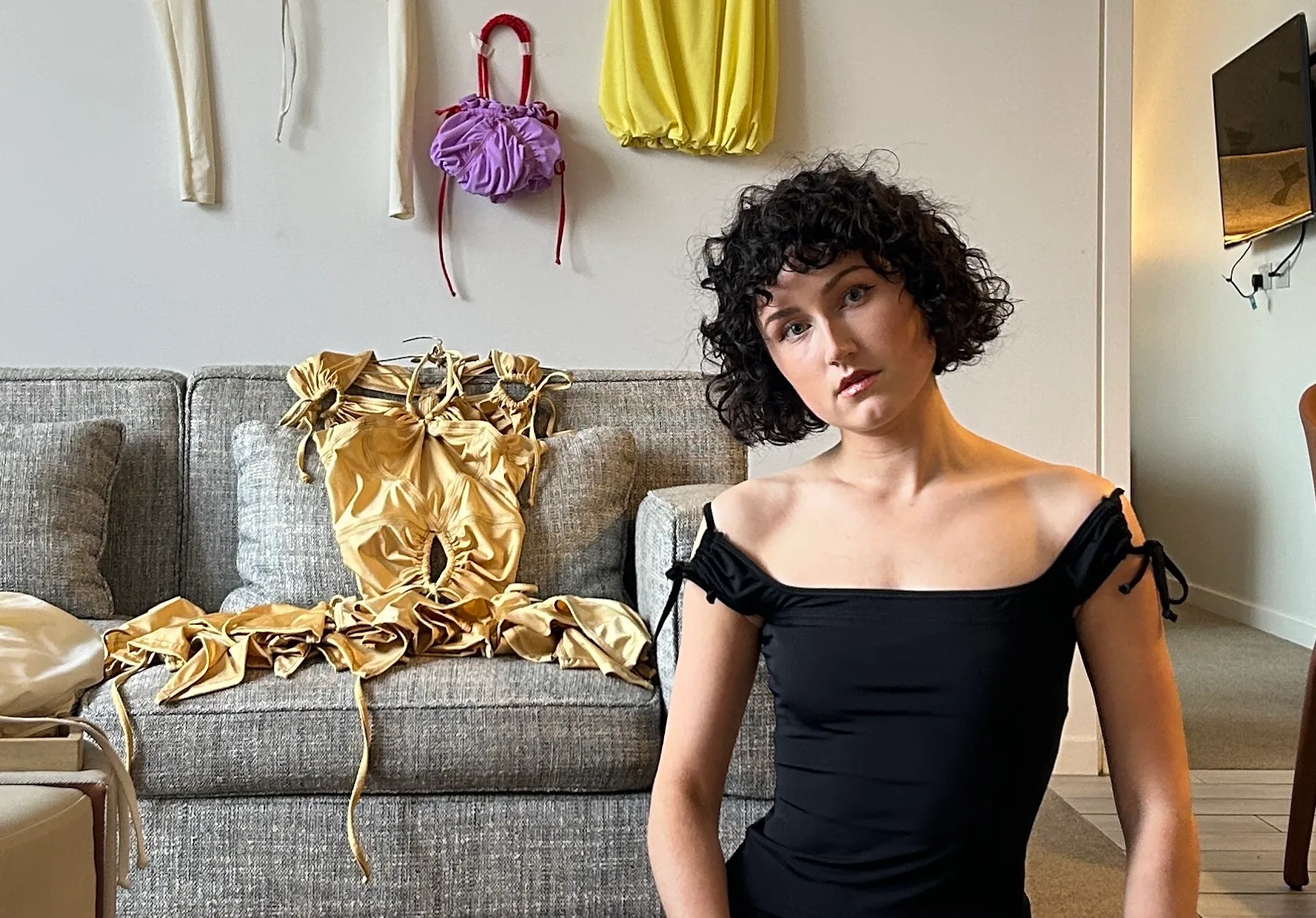
I Run an Indie Fashion Label. This Is Why I Quit Big Stockists and Slashed My Prices
Photo: Courtesy of Emily Watson

Broadsheet covers culture and the people driving it. The latest and best in food & drink, art & design, fashion, entertainment and travel.

  • Melbourne
  • Sydney
Melbourne designer Emily Watson spent most of her working hours fulfilling wholesale orders for big retailers. Earlier this year, she decided she’d had enough.

Words by Emily Watson · Updated on 14 Oct 2026 · Published on 13 Oct 2026

I’m six years into running my eponymous fashion label, Emily Watson, and I’ve decided to do a 180. Wholesale has been the lifeblood of the business, but now I’m pulling back. 

I started my brand in 2020. It was a Covid project, born from too much free time, a recently finished RMIT fashion design honours degree and access to my local Tafe’s fashion tools and machinery. The stylist for American rapper Rico Nasty reached out to me for a press opportunity. After that vote of confidence, I decided to sell some of the dress designs she’d worn through stockists. My first was Melbourne boutique Distal Phalanx. 

The brand’s first year was pretty unbelievable. I really felt like I was living the dream – Bella Hadid, Emma Chamberlain and Camila Mendes all wore my pieces.

While juggling this rapid growth and public praise, I was still trying to figure out the business side of things. I didn’t learn about pricing at uni, so I fumbled through it. I learnt that stockists usually take about 50 to 60 per cent of a garment’s retail price, and designers get the remaining 40 to 50 per cent.

Every stockist is different, but typically these retailers will purchase a bulk order of products at wholesale price, usually with a down payment. I’d make the clothes and ship them to the retailer. When they received the product, they’d pay me the balance, typically within the 30-day payment term, but it wasn’t uncommon to have to wait longer. 

More like this

“You Are Allowed To Close Something That Is Working”: Why I Chose To Close My Thriving Business
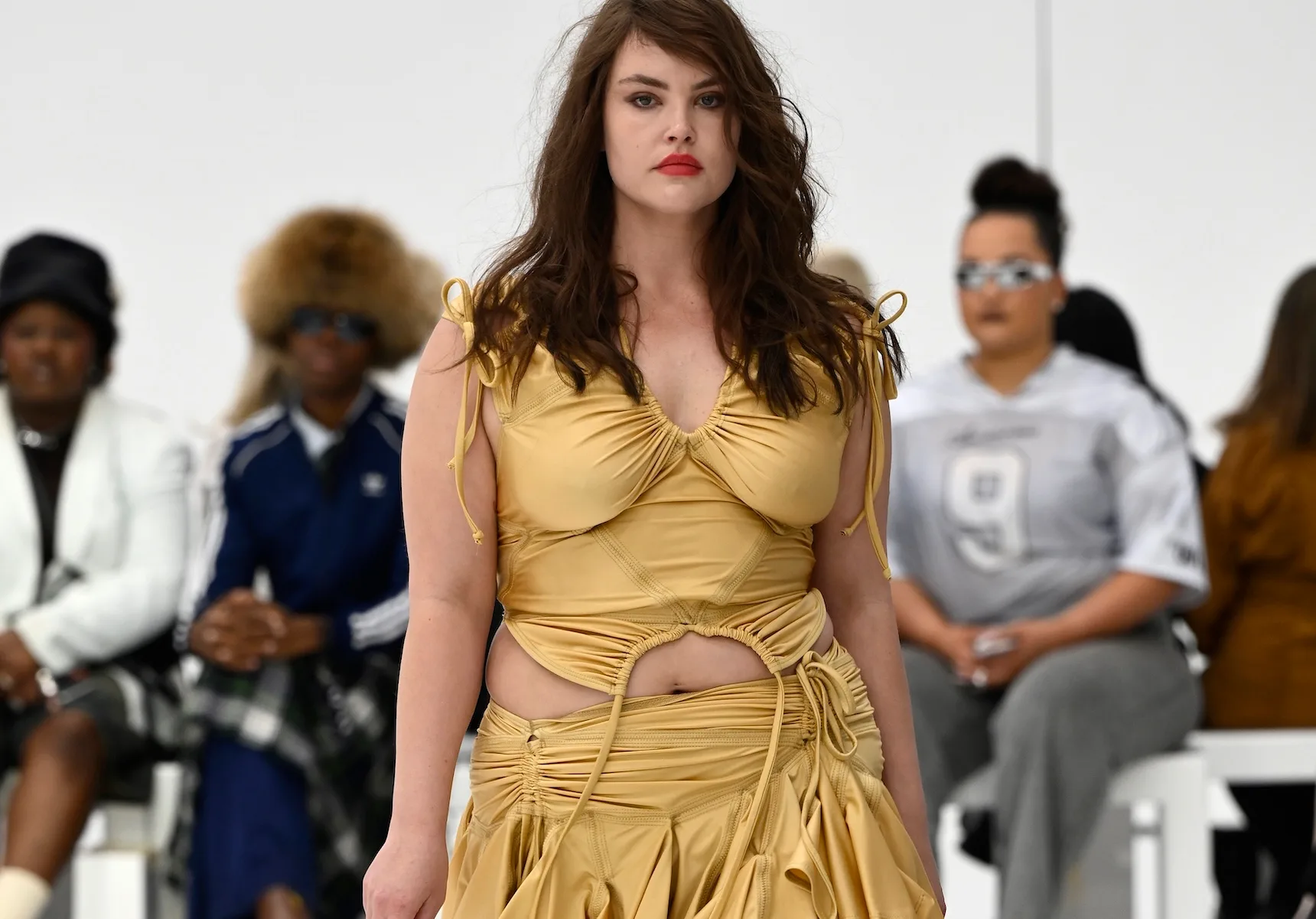
The Green Flags Plus-Size Shoppers Want From Fashion Brands
Aussie Menswear Belongs on the World Stage – Here’s What It Needs To Get There
  • Brisbane
  • Perth
  • Adelaide
  • London
    • About
    • Editorial standards
    • Social Media guidelines
    • Privacy policy
    • Terms of service

    © 2026 Broadsheet Media.
    Broadsheet is a trade mark used under licence by Broadsheet Media Pty Ltd from BM IP Pty Ltd as trustee for the BM IP Trust.

    I was used to fulfilling some of these big wholesale orders with a down payment of as little as 10 to 30 per cent of the order, which covers only a small portion of production costs (standard down payments run anywhere between 30 to 50 per cent of the order value). That meant creating an order, worth tens of thousands of dollars, out of pocket. Without getting a loan from family, I wouldn’t have been able to finish production for jobs like these.

    My pricing had to increase when I took on bigger, global retailers. These international luxury platforms had a bigger mark-up than I was used to (adding around 60 per cent to the item's price) and they asked for additional discounts. An initial two per cent discount might sound small, but when an order is worth $25,000, it adds up quickly. One retailer eventually asked for a 10 per cent discount. Other similar retailers added on marketing fees, requesting a 20 per cent discount so they could market me as a small brand. The irony!

    Another wholesale order with a global retailer didn’t go ahead – the payment terms they proposed were difficult for me to work with as a small business and highlighted how the cashflow realities of large wholesale accounts can be very different for an emerging brand.

    A couple of years into my business, I had six to eight retailers at once, which was a lot for a brand mostly manufacturing in-house. (Other brands may outsource some elements of the production process, allowing them to manage simultaneous orders from several accounts.) 

    Despite my grievances, there was a lot of good to come out of those partnerships. I gained trust with customers, as appearing on those platforms was like having a gold star next to my name. A lot of people discovered my label on these platforms and then shared customer photos on social media, which helped my reach. There are a lot of positives that come with selling through big retail giants, but for my label’s long-term success, I knew I couldn’t go on at that pace and volume. 

    It felt like I was running my business for these platforms. I had to scale up specifically for them – at one point I even had an employee who was largely employed to fulfil a single order. I didn’t feel like an independent brand anymore. It felt like we were a manufacturer. Over time, it ruined the spark for me.

    Last year was a particularly hard year for the business. A large stockist pushed back a delivery by three to four months, meaning that the balance payment for the order would also be paid that late. That cashflow insecurity and stress were the last straw – I knew I had to change something.  

    I was looking at ways to optimise profits, but I didn’t want to compromise by using cheaper fabric or production, or by degrading the designs. It made the most sense to me to cut out the wholesale mark-up, so I could maximise my profits and reduce prices for customers. 

    In June this year, I cut ties with large wholesalers. I now prioritise my direct-to-consumer business and work with some carefully selected stockists – boutique retailers who align with my values, and are usually more understanding and flexible with arrangements from payment terms to delivery. 

    Importantly, this change allowed me to reduce all of my garment prices by 15 to 25 per cent permanently. 

    Sales have improved, and it feels like my customers trust me more since I became more candid about the industry. People seem to know that prices are now as close to the cost of the garment as they can be. 

    I’m an indecisive person, and I don’t really like change. It scares me a lot. The wholesale production system was all I’d ever known, but I could feel my spirit dying a bit. The move away from supplying to big retailers has been a relief and felt inspiring. It’s given me a little bit of control back, and I have a lot more creative freedom. I’ve got room to breathe again.

    Broadsheet publishes a range of opinion stories from independent contributors. The ideas and views expressed in these pieces don’t reflect those of Broadsheet or its staff.

    • Subscribe
    • Contact
    • Advertise
    • Feedback
    • Contribute
    • Shop
    • tiktok
    • linkedin
    • pinterest
    Newsletters

    FashionI Run an Indie Fashion Label. This Is Why I Quit Big Stockists and Slashed My Prices

    Log inSubscribe

    More from Broadsheet

    The Smarter Guide to Wedding Guest Dressing
    The Smarter Guide to Wedding Guest Dressing
    Fashion
    From the dress code to the 3am dance floor, here’s how to show up polished and stay that way. In partnership with Philips, we break down the smart wedding-guest wardrobe – and the two-in-one tool that keeps it crease-free.
    Ditch the Chocolate Bar: Upgrade Your Afternoon Snack With These Simple Berry Sweet Treat Recipes
    Ditch the Chocolate Bar: Upgrade Your Afternoon Snack With These Simple Berry Sweet Treat Recipes
    Food & Drink
    Satisfy your afternoon sweet tooth with these quick, berry-based snacks that are easy to prep ahead. In partnership with Driscoll’s, here are three recipes that won’t give you post-snack guilt.
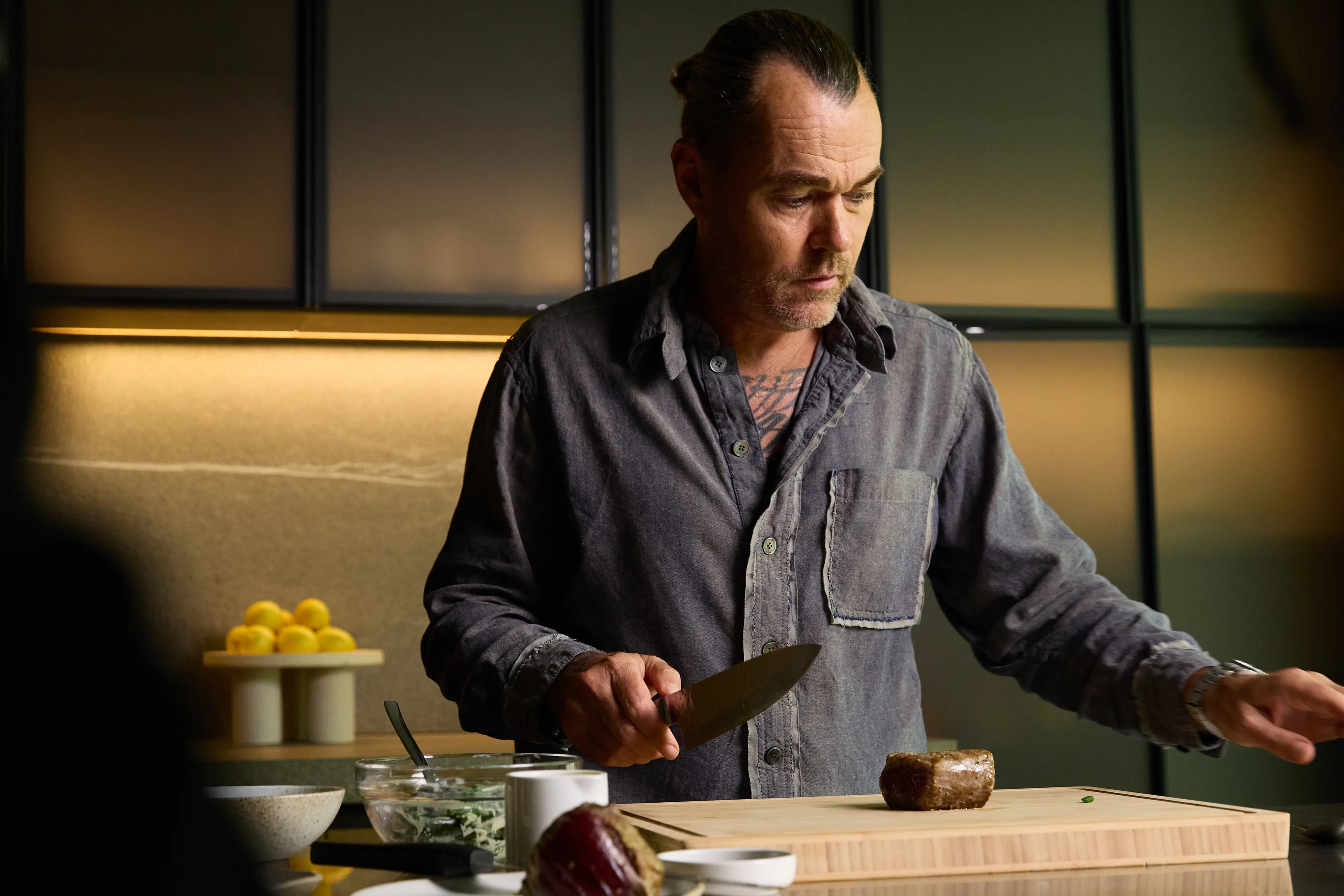
    Designing the Ultimate Home Kitchen? Shannon Bennett Has Some Tips
    Designing the Ultimate Home Kitchen? Shannon Bennett Has Some Tips
    Food & Drink
    Want your home kitchen to run with the clockwork precision of a restaurant? In partnership with Miele, the celebrity chef gives us some advice – and a look into his home kitchen in Byron Bay.
    The Melbourne Queer Film Festival Director Shares Her Top Picks
    The Melbourne Queer Film Festival Director Shares Her Top Picks
    Entertainment
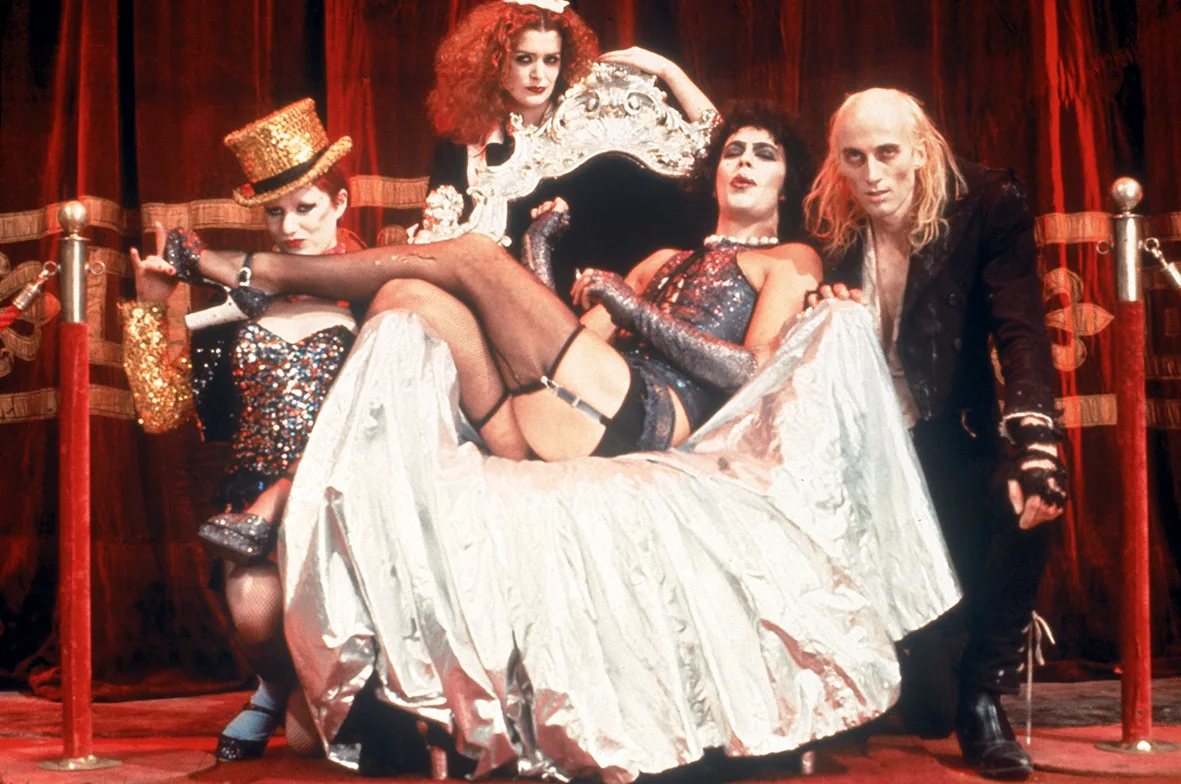
    The event returns with more than 50 feature films, from an AFL love story to a Rocky Horror double feature. We chatted to the festival’s new director on her highlights.
    Could Mushroom Leather Be the Future of Fashion? A New NGV Exhibition Explores the Possibility
    Could Mushroom Leather Be the Future of Fashion? A New NGV Exhibition Explores the Possibility
    Art & Design
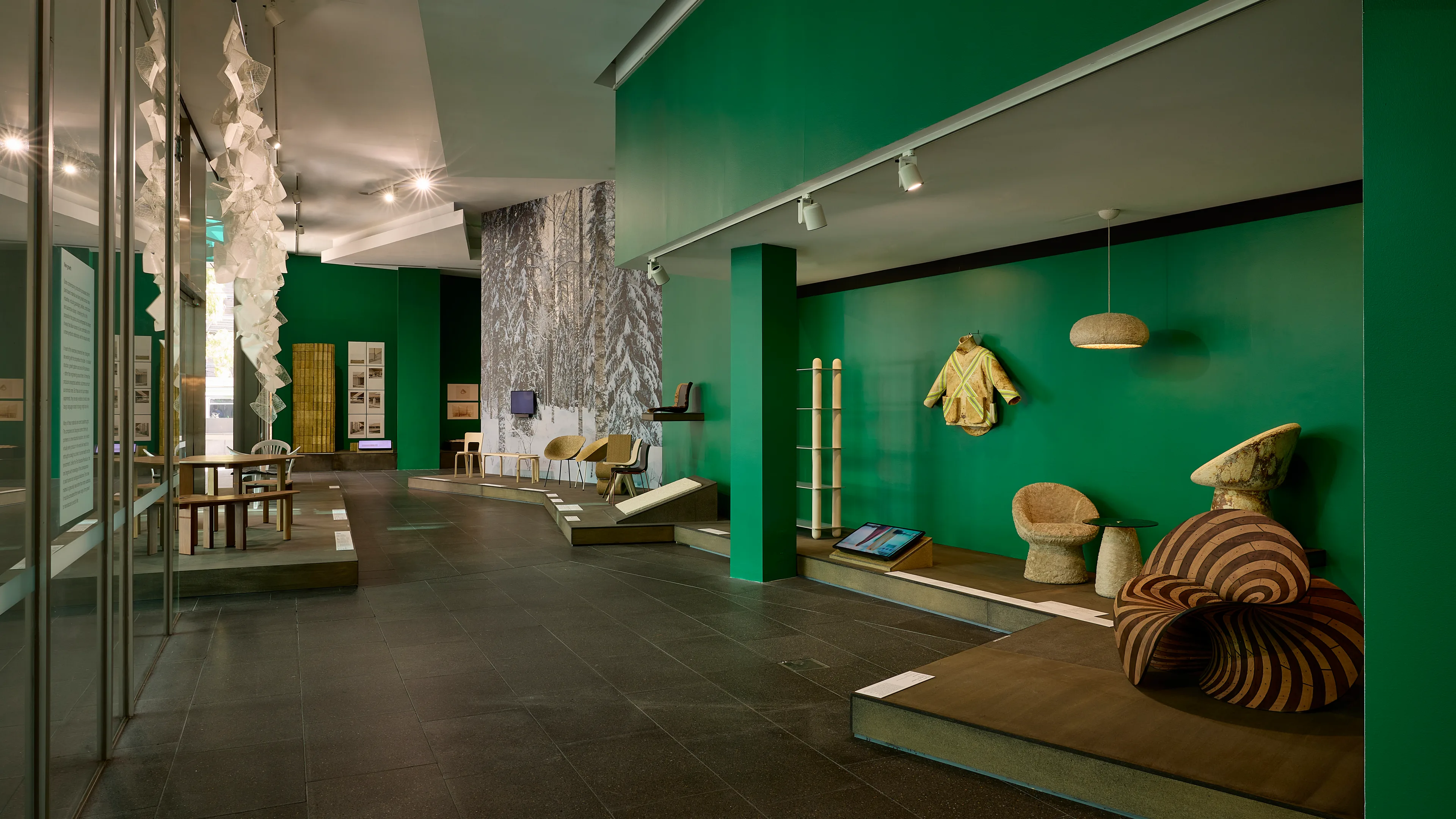
    Plant Life: The Nature of Design, presented in partnership with NGV's Futures Partner, RMIT University is all about looking to nature for the sustainable designs of the future. We chat with two forward-thinking designers about their “leather” made from fungi and the other cool innovations you can check out.
    Win: A Year’s Supply of Wine, With Delivery to Your Door Every Season
    Win: A Year’s Supply of Wine, With Delivery to Your Door Every Season
    Food & Drink
    Make some room on the wine rack: one lucky wine-lover will receive 48 bottles to enjoy across the year.
    How To Plan an Unforgettable Week in the Red Centre
    How To Plan an Unforgettable Week in the Red Centre
    Travel
    Most travellers go straight to Uluru – but there’s so much more to see across the Red Centre. In partnership with Tourism Central Australia, here’s an itinerary packed with outback adventures that take you off the beaten track.
    Enjoy the Journey As Much as the Destination on This Sydney to Hobart Cruise
    Enjoy the Journey As Much as the Destination on This Sydney to Hobart Cruise
    Travel
    Looking for the trip that packs nature, relaxation and adventure together, without taking more than a week off? In partnership with Royal Caribbean, we explore why a cruise from Sydney to Hobart might just be the best way to have it all.

    Videos

    The Art of Service: It's All About Being Yourself At Reed House01:09

    The Art of Service: It's All About Being Yourself At Reed House

    No One Goes Home Cranky From Boot-Scooting01:35

    No One Goes Home Cranky From Boot-Scooting

    Flavours That Bring You Back Home with Ellie Bouhadana01:13

    Flavours That Bring You Back Home with Ellie Bouhadana

    More Guides

    Recipes

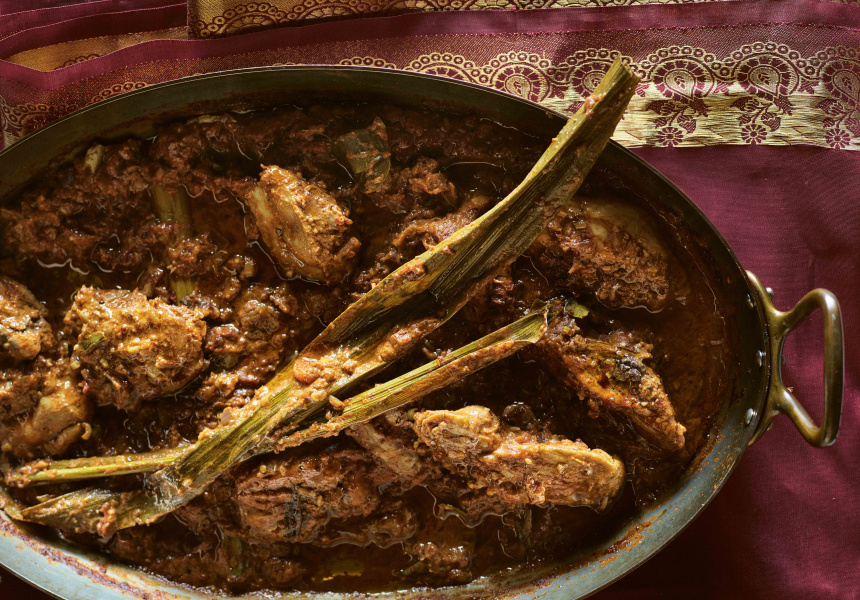
    Recipe: O Tama Carey’s Succulent Sri Lankan Chicken Curry Is An Ideal Weekend Cooking Pursuit
    Recipe: O Tama Carey’s Succulent Sri Lankan Chicken Curry Is An Ideal Weekend Cooking Pursuit
    Four Comforting Chicken Soup Recipes for When It’s Cold or You’re Under the Weather
    Four Comforting Chicken Soup Recipes for When It’s Cold or You’re Under the Weather
    Recipe: Christine Manfield’s Spiced Chickpea Dal Is a Smooth and Hunky Ride of Texture and Taste
    Recipe: Christine Manfield’s Spiced Chickpea Dal Is a Smooth and Hunky Ride of Texture and Taste