Five Minutes With Bryce Dessner, Grammy-Winning Composer and Guitarist for The National
Words by Dan Cunningham · Published on 16 Sep 2026
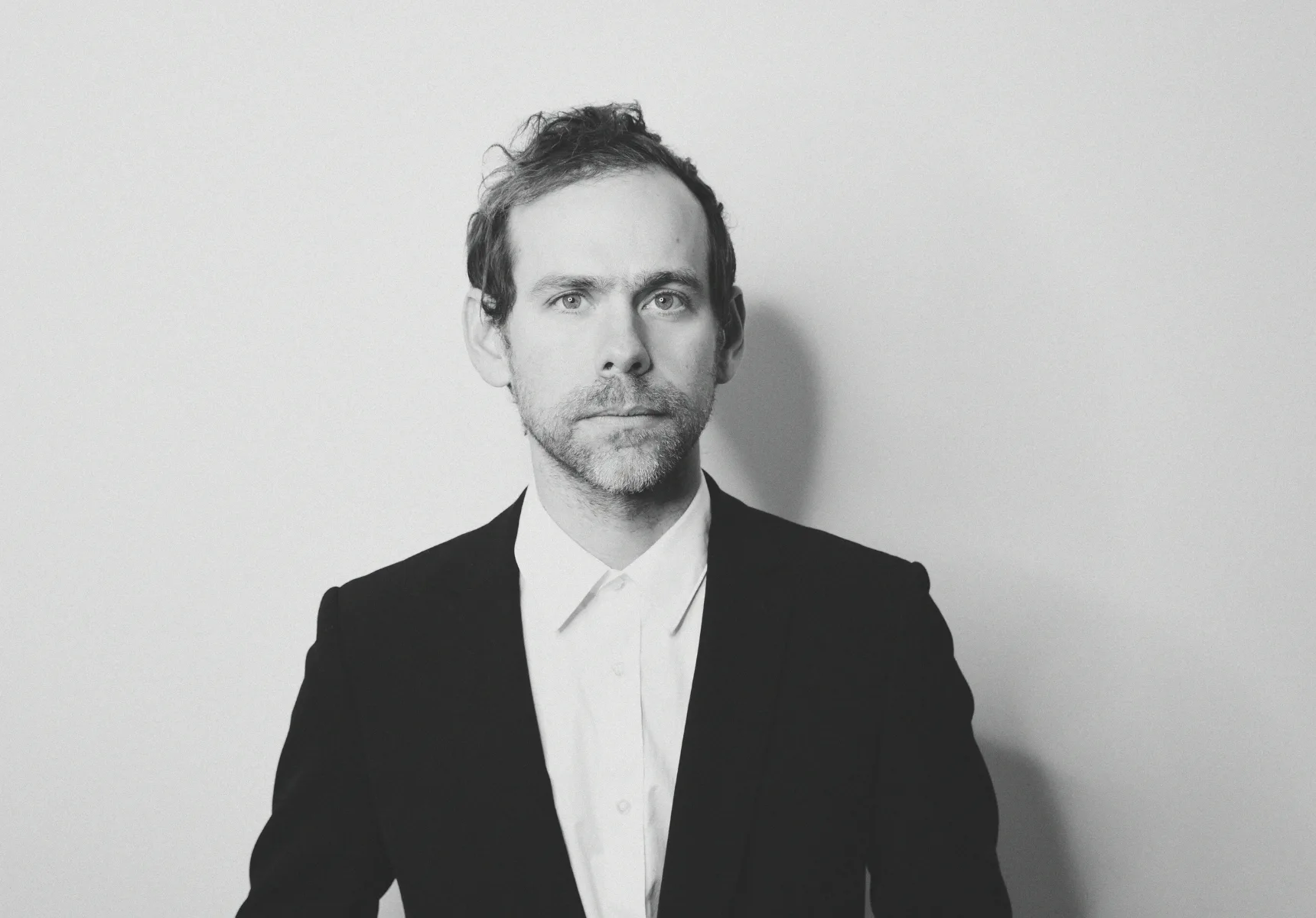
Bryce Dessner’s CV is a composer’s dream. The Cincinnati son’s works have been performed by prestigious ensembles including the Los Angeles Philharmonic and Orchestre de Paris. He’s scored acclaimed films including Alejandro Inarritu’s The Revenant and Clint Bentley’s recent sleeper hit Train Dreams. He’s collaborated with heroes of minimalism Philip Glass and Steve Reich, and generational songwriters Bruce Springsteen, Paul Simon, Thom Yorke and Taylor Swift.
And yet, countless fans know him best for six strings and soaring rock songs with titles like Bloodbuzz Ohio and New Order T-Shirt. With The National, the band in which he shares guitar and songwriting duties with twin brother Aaron, he’s released 10 acclaimed studio albums and won a Grammy for the 2018 album Sleep Well Beast – his second after winning as a classical composer in 2016 for his piece Murder Ballades.
Dessner is back in the country this month for two shows with the Sydney Symphony Orchestra, performing highlights from his expansive catalogue in Sydney and Melbourne. He’ll also debut Trembling Earth, brand new work performed by Russian cellist Anastasia Kobekina and the SSO with conductor Umberto Clerici. We took time with Dessner to talk about his Australian visit, artistic process and collaborating with cultural icons.
How did the collaboration with the SSO come about?
I work a lot with orchestras across the world, and one great way to have a deeper relationship with an orchestra is through a residency where there are multiple projects [involved]. A few years ago, the Sydney Symphony reached out to me about doing a bigger, deeper project, and we talked about me coming down for a few concerts and writing a piece. These things take quite a while to plan, but I’m excited it’s finally happening.
Your career exists in two worlds, one in which you’re writing for a rock band, and another where you’re writing for orchestras and ensembles. Does your artistic process change depending on which world you’re working in?
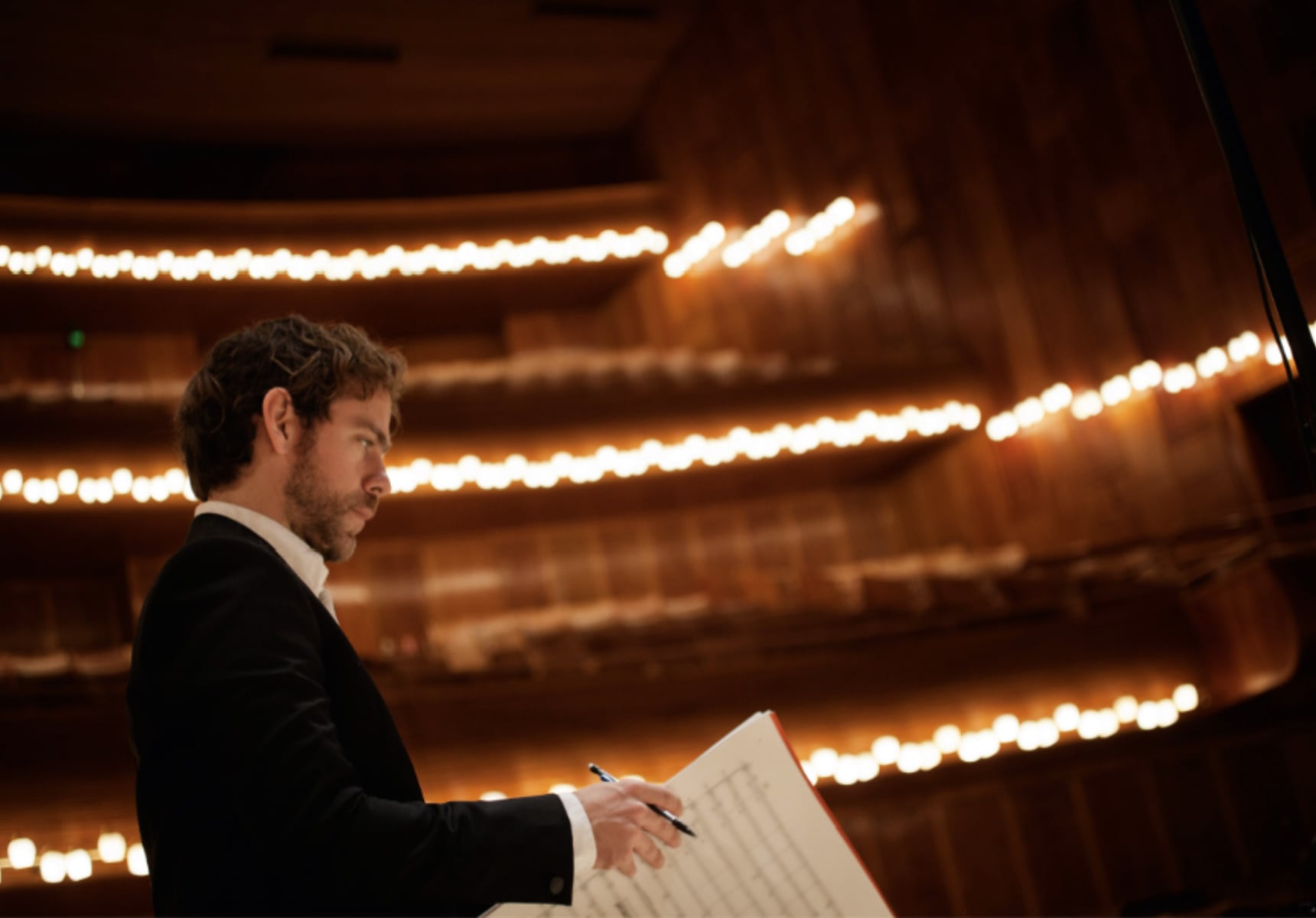
I always say, I’m not a different person depending on what I’m doing. The muscles are the same. My brain waves are the same. I think the main difference is: is it written down or is not written down? When you’re working with an orchestra with up to 100 musicians on stage, we communicate through the score. Written music is an incredible tool that transcends culture, language and genre, and it’s a way of quickly engaging in a pretty deep collaboration between the orchestra, conductor and composer.
In The National, we don’t really write things out. I do all the orchestration for the band, so if there are strings on the record, I’ll write it out for those musicians. But typically, we learn things by ear. Even some of the more famous musicians I worked with – Paul Simon, Thom Yorke, Bruce Springsteen – they don’t work with a score. That doesn’t mean they’re not the most genius musicians in the world, because they are. Ultimately, it’s about finding an idea for a piece.
Where’s the first place you start when composing for an ensemble?
It’s like writing or painting, where you collect images or sounds or feelings. Typically I start with the piano, but the guitar can be useful at times. It’s a surprising instrument, like a peacock or something. It’s a beautiful ambassador between genres. No matter what you do with it, it evokes something. What I don’t do is play a blues guitar solo over an orchestra. There’s really no need.
Collaboration underscores your entire career. What do you think makes a successful one?
Sometimes people think being a composer with a capital C is a bit like being a filmmaker. There’s an aura of – you're supposed to be the boss. I think the opposite is really the case. It’s about freedom and finding room for people to really express themselves.
For me, collaboration is mostly about learning and being challenged. I’m really passionate about working with non-musicians or other artists. Dancers, for instance, are incredibly emotional and physical when they work. I’ve done several pieces with Rafael Bonachela and the incredible dancers of the Sydney Dance Company. That’s a good example of a collaboration that’s really rewarding for me. Every time I do it, I learn something new about myself and the music.
What can we expect from your collaboration with the SSO, and what are you most excited about?
Writing a new piece is always this kind of beautiful process. It’s like giving birth or something. The SSO has co-commissioned a piece called Trembling Earth featuring this unbelievably brilliant solo cellist Anastasia Kobekina, who’s really become a superstar in the field and a close collaborator and friend of mine. It’s not a traditional concerto, but almost like a long poetic movement. That’s a big piece for me. I'm proud of it and happy with how it came out.
It’s very much influenced by the fact I was writing it for the SSO. I've spent a lot of time in Australia, I have a lot of friends and formative experiences there. As an American coming to Australia, there’s a sense of the sky kind of opening up. The power of the ocean and how ancient the land is. All of that is quite inspiring. There’s a tradition in Australian orchestral music of composers thinking about that, the same way Icelandic composers do. I’m excited to have the opportunity to bring that music down there.
Bryce Dessner performs with the Sydney Symphony Orchestra at City Recital Hall in Sydney on Thursday September 24, and Melbourne Recital Centre on Friday September 25. Trembling Earth will be performed at the Sydney Opera House on Saturday 19 September and Sunday 20 September.
About the author
Dan Cunningham is Broadsheet’s features editor (food & drink).

MORE FROM BROADSHEET




-cc7203651b.webp)