City FileHow Running Became One of Melbourne’s Biggest Social Scenes
-2166ff3ac3.webp)
Words by Quincy Malesovas · Updated on 10 Nov 2026 · Published on 09 Oct 2026
Once upon a time, running was mostly a solo pursuit: just you, your headphones, a pair of good shoes and the track. But in recent years, running has become increasingly social, with seasoned athletes and hobbyists alike turning to run clubs for community and connection.
In Melbourne, there are now running clubs attached to hospitality venues, creative communities alongside informal crews embracing a more grassroots approach. With post-run coffee catch-ups and run-club morning raves, they’ve become as much about the run as what happens around it.
Nick Atkinson, Nike Pacific senior marketing director, has watched that shift firsthand thanks to all the runners he works alongside, as he becomes increasingly involved with Melbourne’s running community.
“It is such an incredible scene in Melbourne,” Atkinson says. “We’re seeing it booming and splintering off into so many different interesting spaces.”
He says the social side of running is part of a broader shift in how the sport is perceived that’s evolved over recent decades, with the last few years in particular bringing a simultaneous appetite for movement and connection.
“I think it’s one of those stories of our time,” Atkinson says. “Into the ’80s and into the ’90s it was perceived as quite a solitary sport. And in the post-Covid era, there’s been such a boom in connection at the same time.”

Produced by Broadsheet in partnership with Nike.
Learn more about partner content on Broadsheet.
About the author
Quincy Malesovas is a Melbourne-based freelance food writer, founder of Gruel and co-editor of Mince. She’s been writing for Broadsheet since 2019.

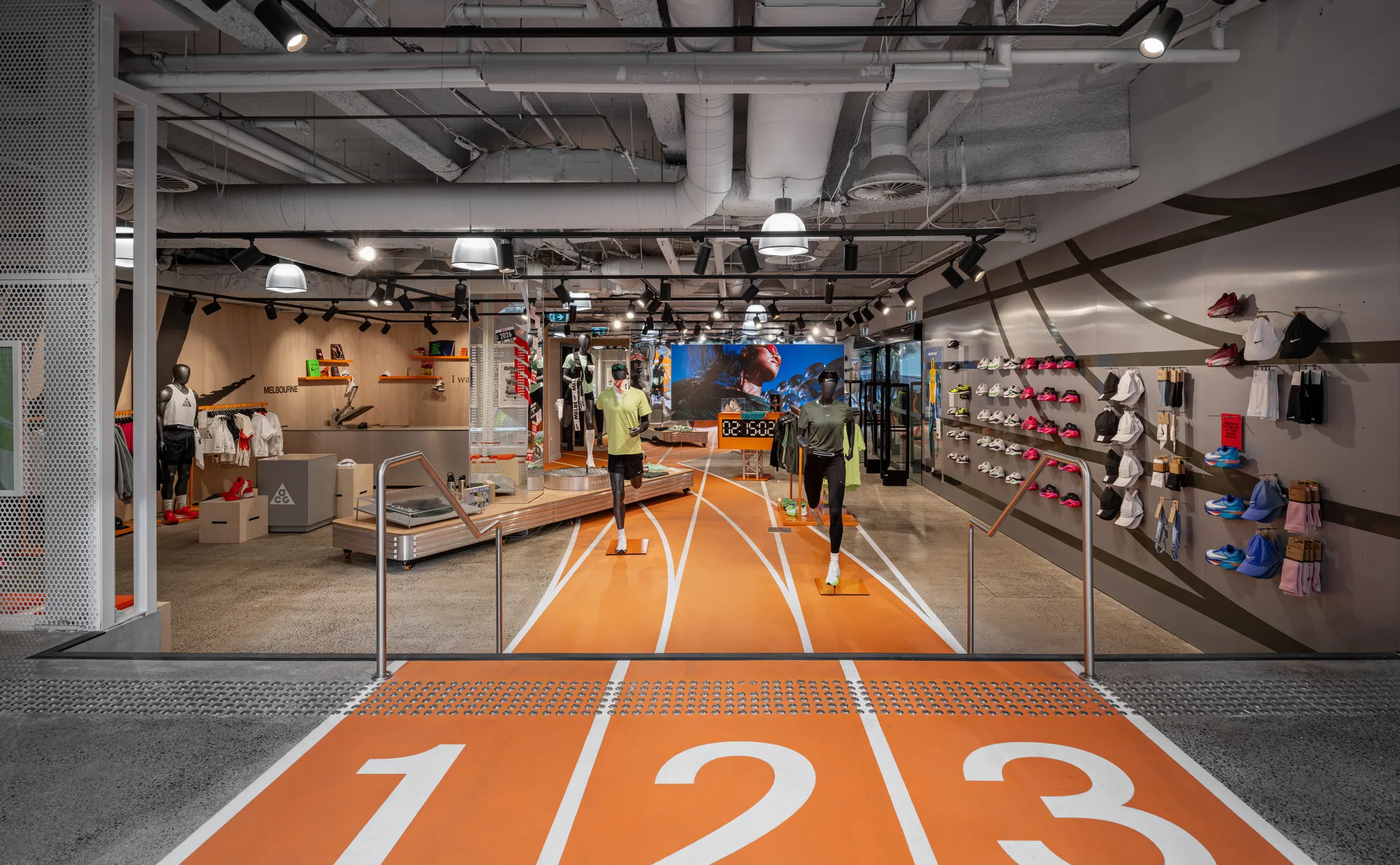
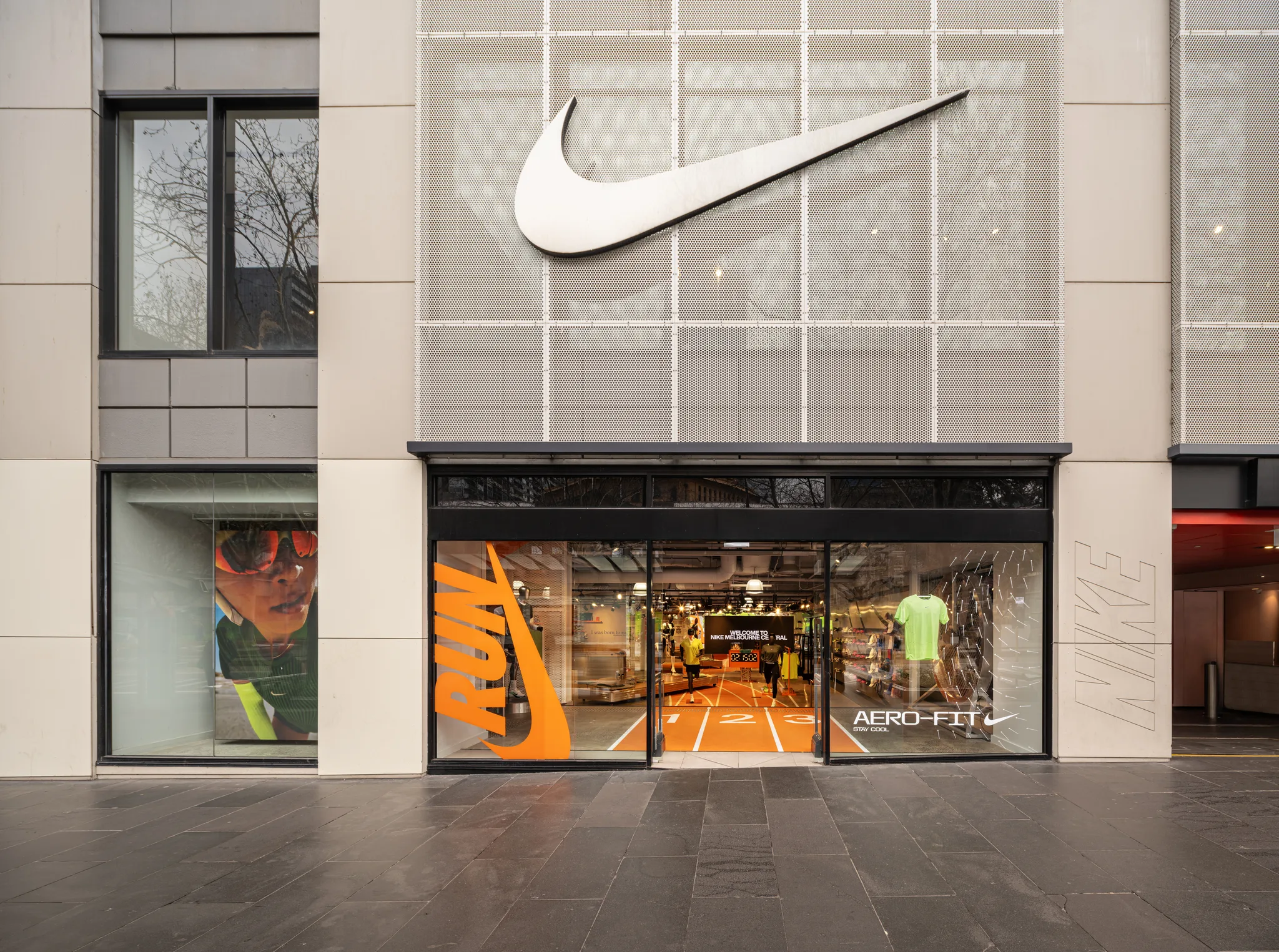
That change is reflected in the way Nike is approaching its revamped Melbourne Central store, with a running-led retail concept, designed with the local community in mind. Rather than simply being a place to buy running gear, the space has been designed to host events and community programming alongside its retail offering.
The new store also strives to connect the city’s current running culture with its history. The store displays Cathy Freeman’s Swift Suit from the 2000 Sydney Olympics, alongside elite marathoner Jack Rayner’s shoes and apparel from his Melbourne Marathon win.
“We went through a really extensive process of design to think about all of the elements that the Melbourne running community would enjoy experiencing as part of the store,” Atkinson says.
Another thing that makes Melbourne’s running scene so distinctive is its diversity. Running here spans the spectrum from beginner groups to those aimed at professional athletes, but it also crosses over with other hobbies and disciplines.
As a result, the boundaries between running and other pursuits have become increasingly blurred. Atkinson points to two-time Melbourne Marathon winner Jack Rayner who, alongside his running career, has worked on film projects with the local running community.
“Only in Melbourne would you have a two-time Melbourne Marathon winner like Jack Rayner also be working on film,” Atkinson says.
Renowned running clubs have grown out of unexpected places, like hospitality communities and breweries. There are also run clubs associated with certain neighbourhoods, identities or interests – all designed to help participants connect.
“The thing that makes it so unique is that it flexes so deeply into creativity and culture and style,” Atkinson says. “Things that are just so intrinsically Melbourne.”
This article is produced by Broadsheet in partnership with Nike. The new “Look of Running” retail concept is now open at Nike Melbourne Central.

More from Broadsheet
Videos
More Guides
Recipes




-6e9e4d4cb1.webp)
-c121bced4e.webp)