This Go Fund Me Campaign Wants To Put an End to Period Poverty Among Aboriginal People
Words by Miriam Kauppi · Updated on 12 Jul 2022 · Published on 26 May 2021
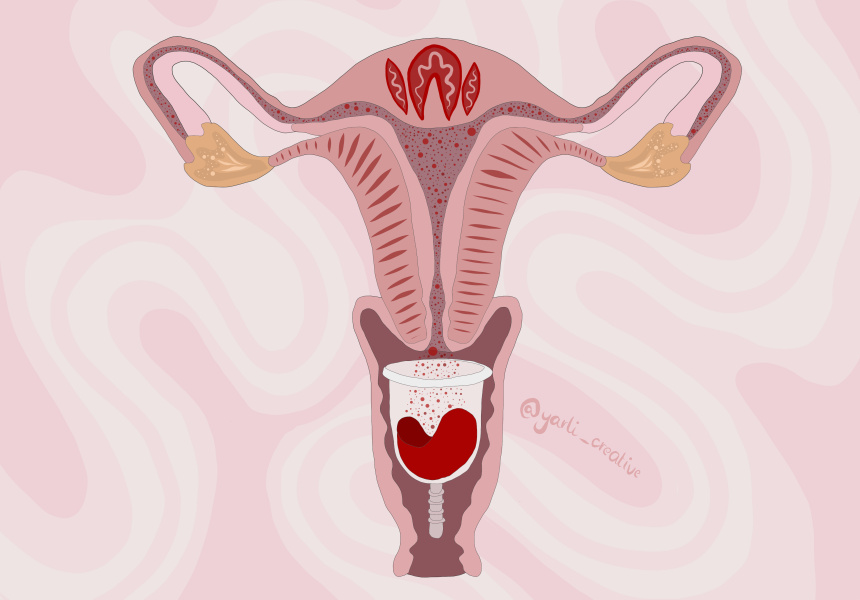
Health concerns specific to people with uteruses can be an under-discussed topic. And in some instances it can even be taboo. A consequence of not talking about periods and other conditions specific to people who menstruate can be period poverty: a lack of access to period products, isolation, not enough education about period health and hygiene, and late diagnoses for conditions such as endometriosis.
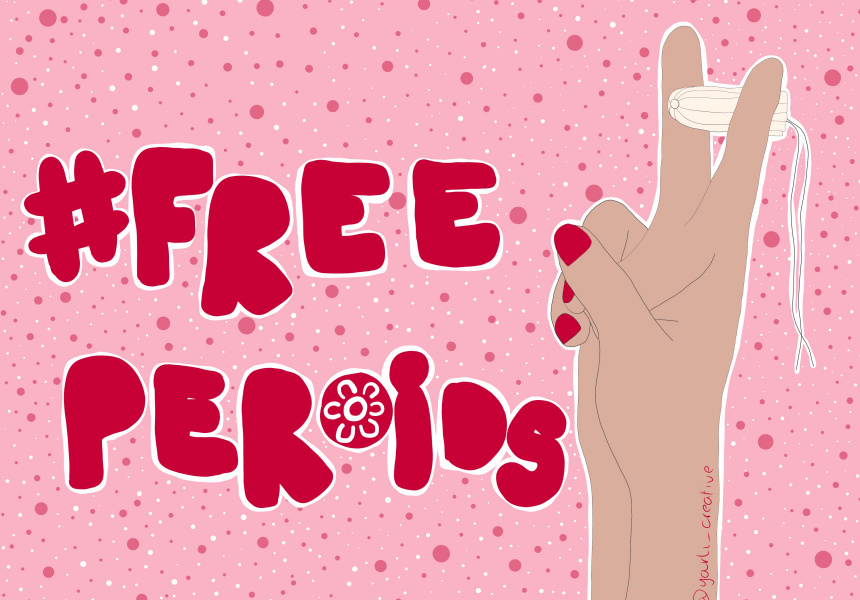
Madison Connors is a Yorta Yorta, Dja Dja Wurrung and Gamilaroi woman based in Melbourne. She is the founder and creative director of Yarli Creative (her online art business, named after her two kids Yindi, 17 months, and Marley, nearly five) and Fierce Tidda Club (“tidda” is the Koori word for “sister”), a public health initiative focused on social impact. She says she has heard of cases in remote and regional Aboriginal communities where people are using the insides of mattresses because they can’t afford the right sanitary items for their periods. “A packet of pads is like $12, and if there are three girls in the family they have to make do with toilet paper and miss school.”
Connors is an artist and has a background working in Aboriginal community health. She’s just launched a Go Fund Me campaign under the Fierce Tiddas Club banner to raise money for a menstruation-management product and an accompanying education campaign (developed by Connors with help from nurses, doctors and menstrual health experts) that she hopes will address period poverty in Aboriginal communities and get people talking. It’s all aimed at improving health outcomes for Aboriginal people, and building an Aboriginal-led-and-owned social enterprise. If her plans are successful, she will be able to distribute sustainable and specially designed period products to people who need them, sell a version that will fund further distribution, and roll out an education program to complement it.
“As an Aboriginal woman, I noticed that there was a gap in a lot of the conversations that were being had at a government but also community health level,” she says. “There’s not a lot of conversation around period health and hygiene for Aboriginal and Torres Strait Islander people with periods – how to look after yourself, what to notice if you’re having issues with your menstruation, and who to turn to.”
She says talking about periods is still taboo in the wider community, but even more so within the Aboriginal community. “That’s because we have ‘women’s business’ and ‘men’s business’, but I see it now as a public health issue that needs to be addressed. I know that there are aunties and women and sisters out there asking for information.” She says many people have contacted her after she launched the campaign. “They’re saying, ‘Thank you, sis, we really need this for our community, we really need a voice to talk about these things.’”
Connors’ experience in and passion for the community health sector drives her. But her personal experience with the women’s healthcare system plays a big part too.
“I suffer with endometriosis and adenomyosis. I’ve had it all my life, but I was diagnosed at 21 and it was very taboo in community. And I want to reduce that stigma in the younger generation, so they will be open and honest and have those conversations about periods and not think they are disgusting or unnatural.” Connors also said that had she felt more comfortable talking about periods, her own diagnoses might not have taken so long.
“I was just told it was normal, the pain I was feeling. I was nauseous, I was vomiting and I had male doctors that would say it was normal. I had all these symptoms that were correlating with my endometriosis, but they were passing it off as ‘Yeah, you’ll be right. Take some Panadol and rest.’ And I then found that drove an inability to participate in work and social events, education. I think it holds people back a lot.”
The Go Fund Me hopes to raise $120,000 to go towards the research, design, development and production of the sustainable period product she hopes will end period poverty. But, crucially, the initial Go Fund Me seed money being collected now will also fund an education program and resources Connors plans to get into communities through her connections in public health and the Aboriginal community. “I will be creating relationships with Aboriginal-controlled community health organisations, different primary health networks, and general health organisations to embed this education program.”
Beyond this first stage of her plan, her aims are broad and ambitious. She talks about helping Aboriginal people with menopause-related health issues, pre- and post-pregnancy health, hormonal conditions, and incontinence. “Because those are all conversations I don’t hear in my community,” she says.
Connors makes the point that because of colonisation and dispossession, many Aboriginal people, like her, don’t have the benefit of intergenerational wealth. That is why this Go Fund Me campaign is necessary. It’s another layer to what makes the product, and the education program she’s developing to go with it, so important. “I want to break the cycles we’re stuck in due to the impact of colonisation.”
What sets Connors’ plans and broader vision apart is that it will all be Aboriginal-owned and led. “With anything related to Aboriginal health and Aboriginal programs, if it’s Aboriginal-led, the outcomes will be far better than if it’s led by someone who is not part of the community, who doesn’t understand from their own experiences of being Aboriginal.
“The model of care I want to implement is Aboriginal-controlled, Aboriginal-determined. I want this product to be Aboriginal-owned, Australian-made, and for it to be used across Australia, not only by Aboriginal people,” Connors says.
“Self-determination and closing the gap starts with our mob doing business our way.”

MORE FROM BROADSHEET
-37d8510e61.webp)