Art & DesignCould Mushroom Leather Be the Future of Fashion? A New NGV Exhibition Explores the Possibility


Words by Evan Jones · Updated on 07 Oct 2026 · Published on 06 Oct 2026
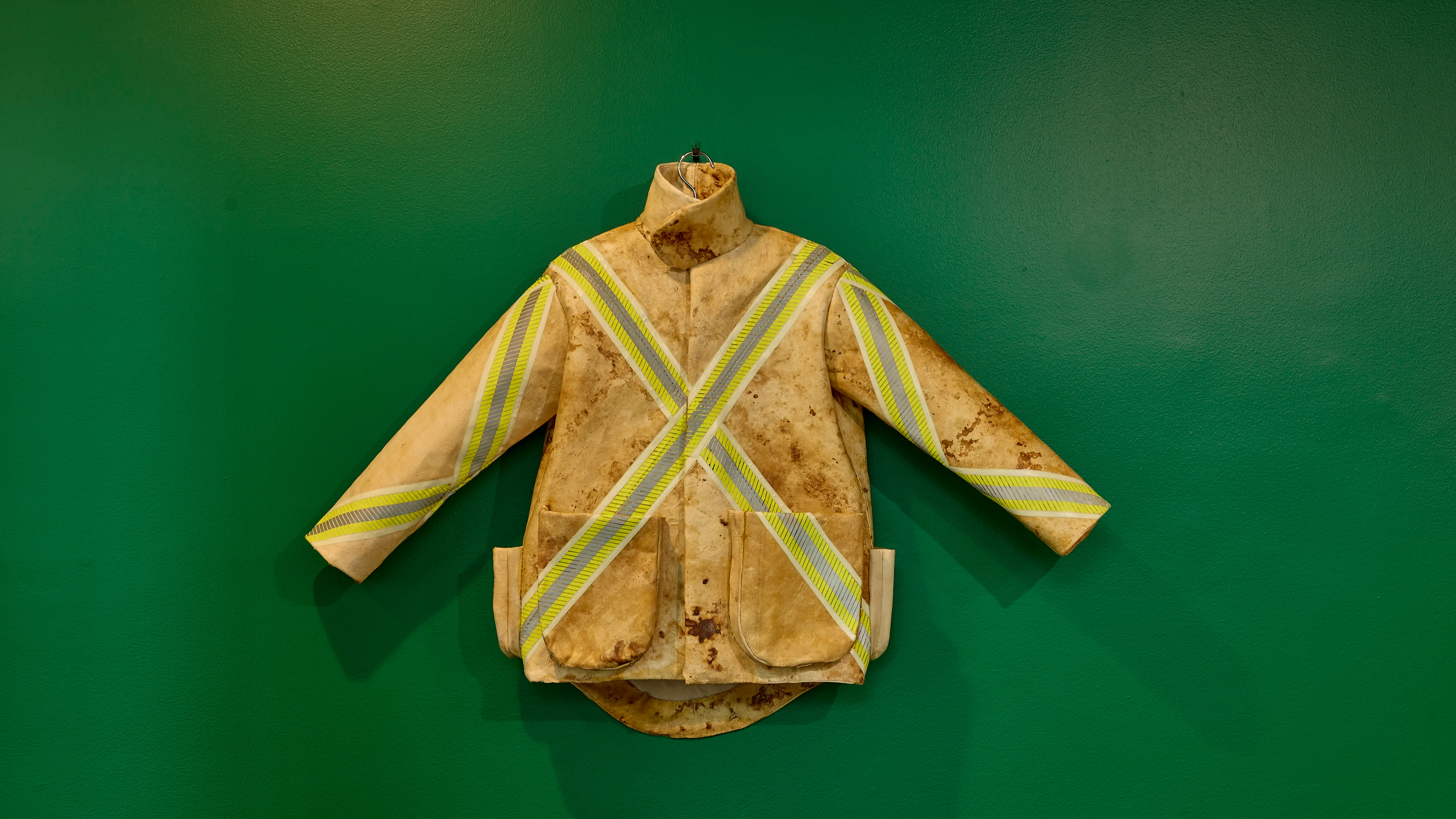
“After a bushfire, the fungi are the first responders,” says bio designer Alexi Freeman. “They’re the ones that get the forest moving again after the fire, so using the mycelial networks for the humans that come to the fire has this beautiful poetic relationship.”
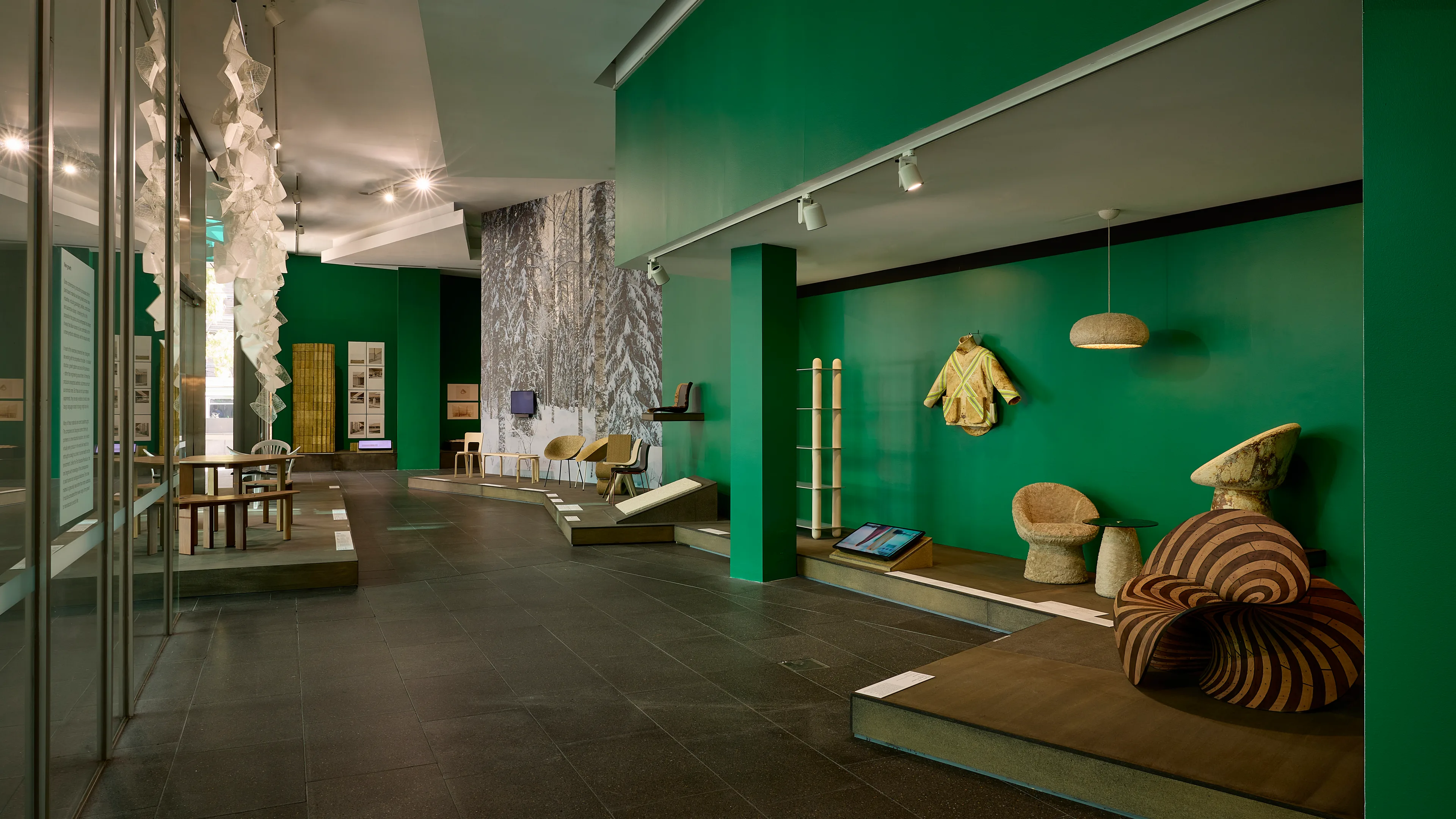
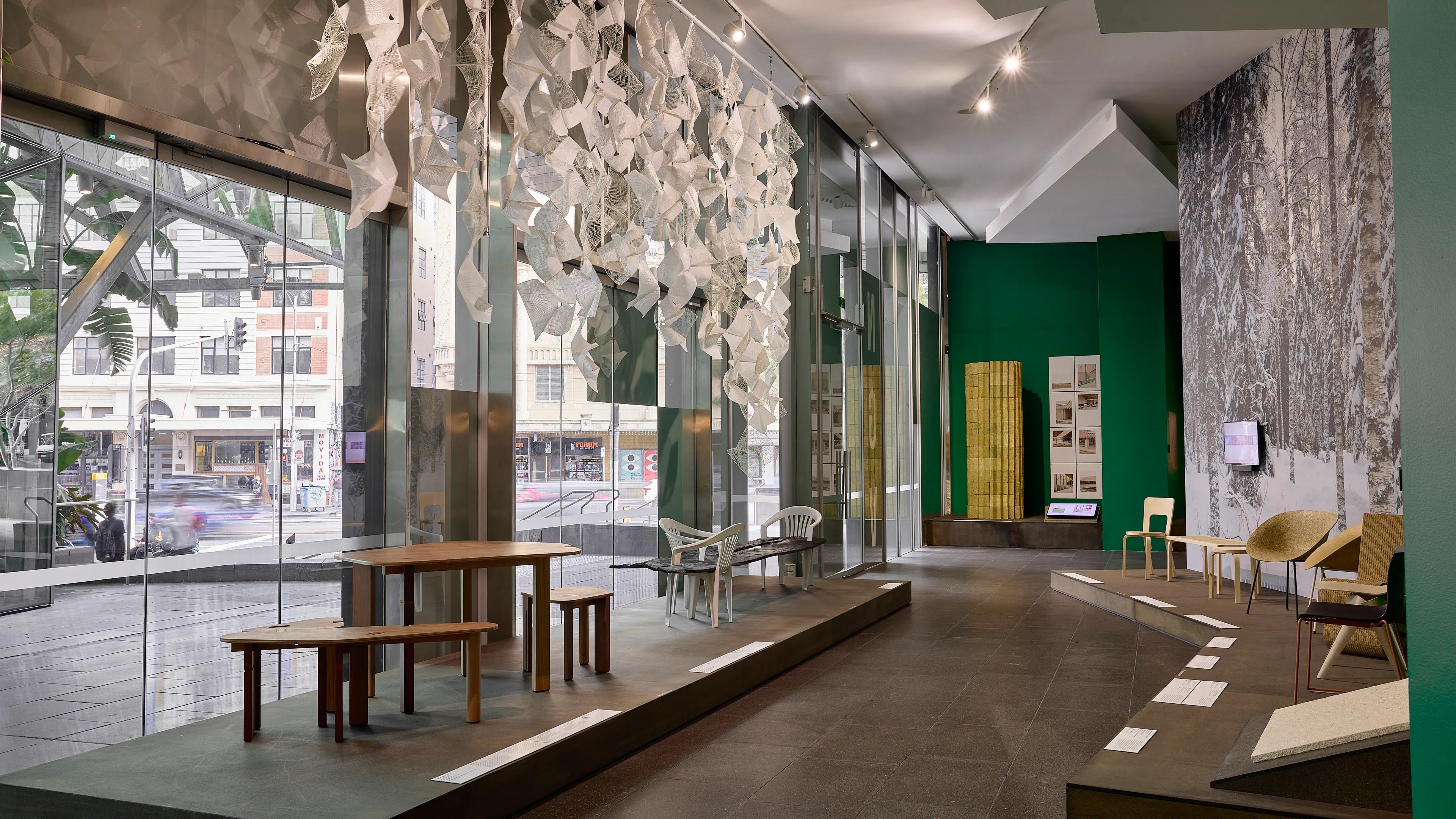
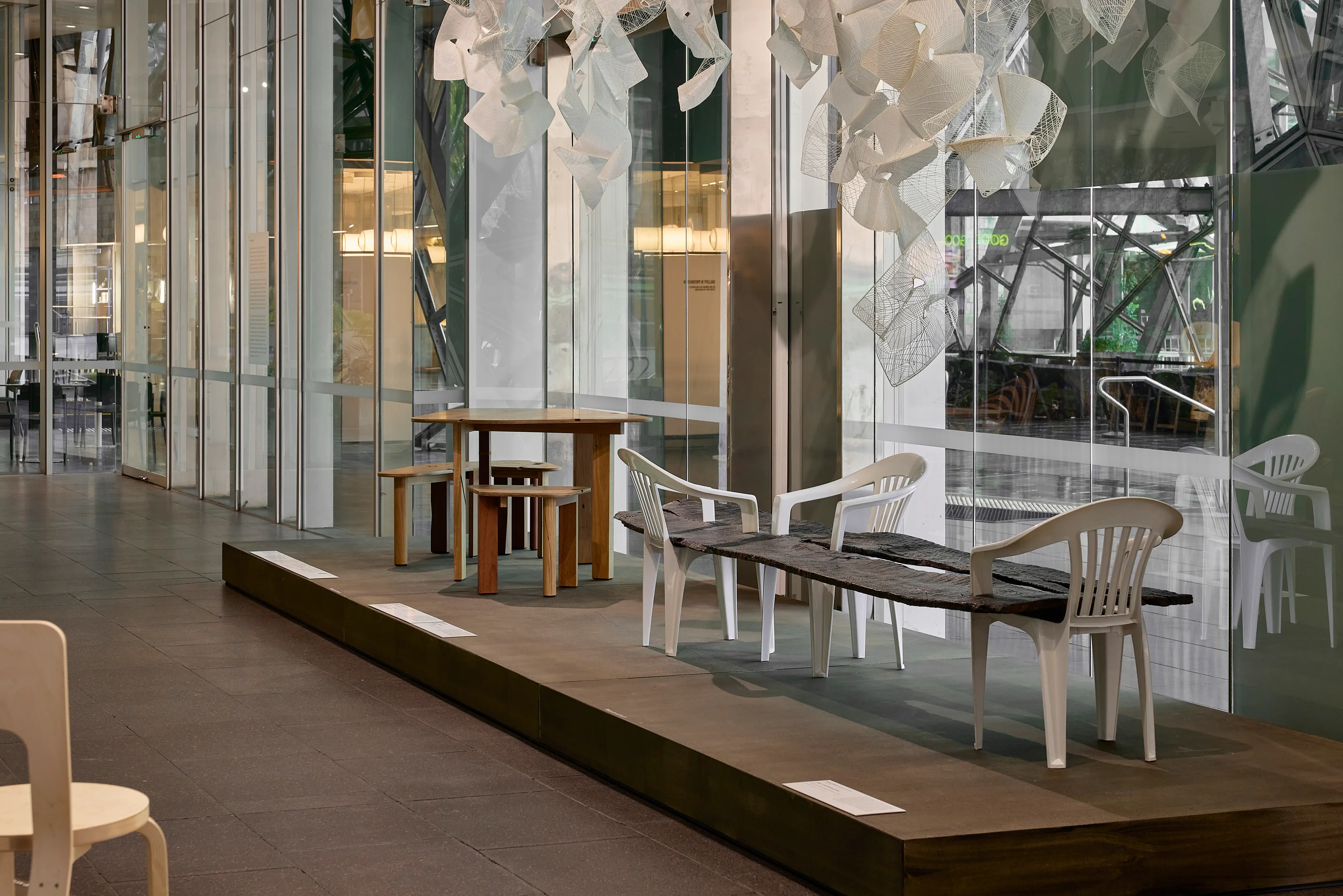
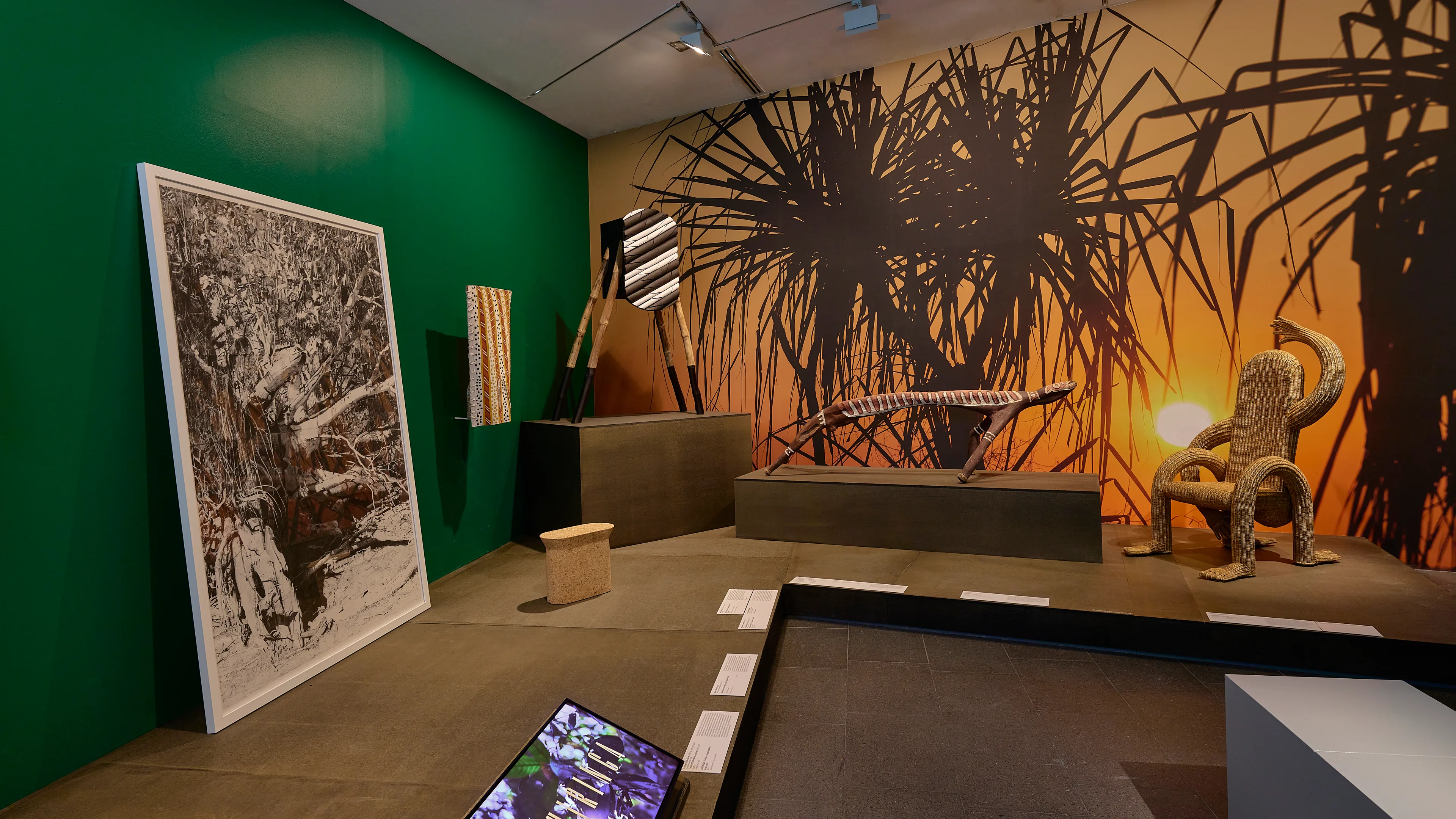
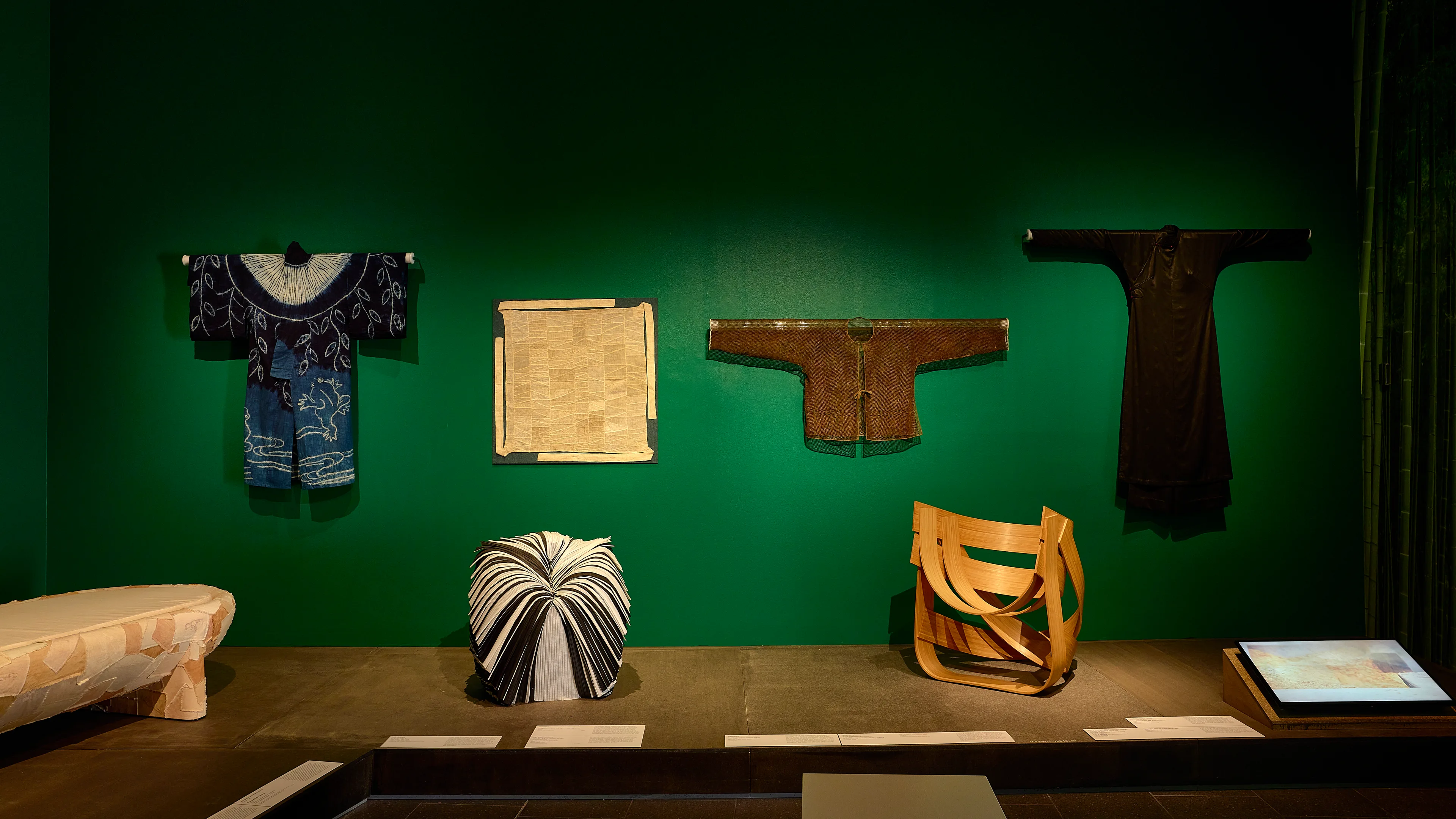
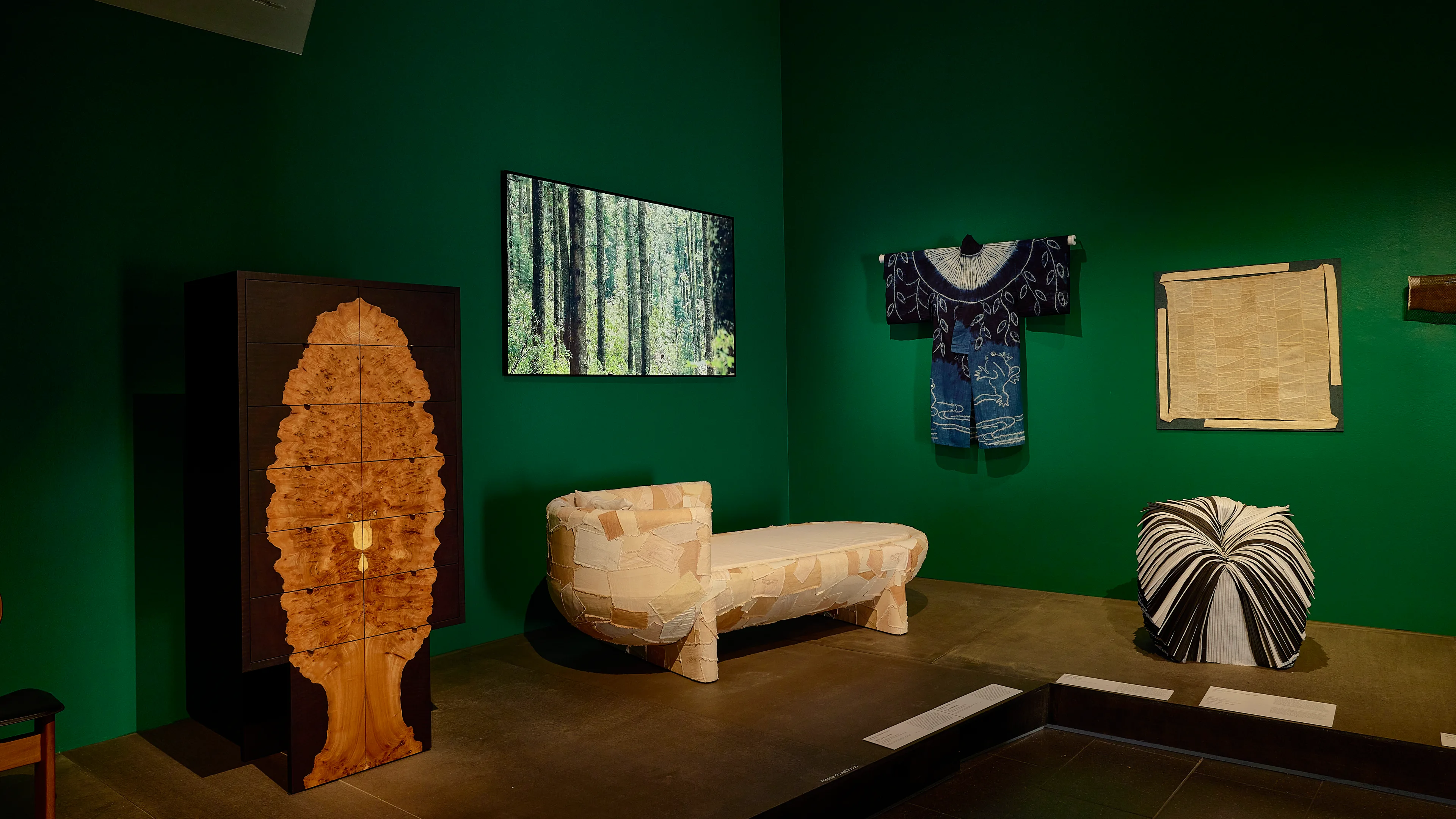
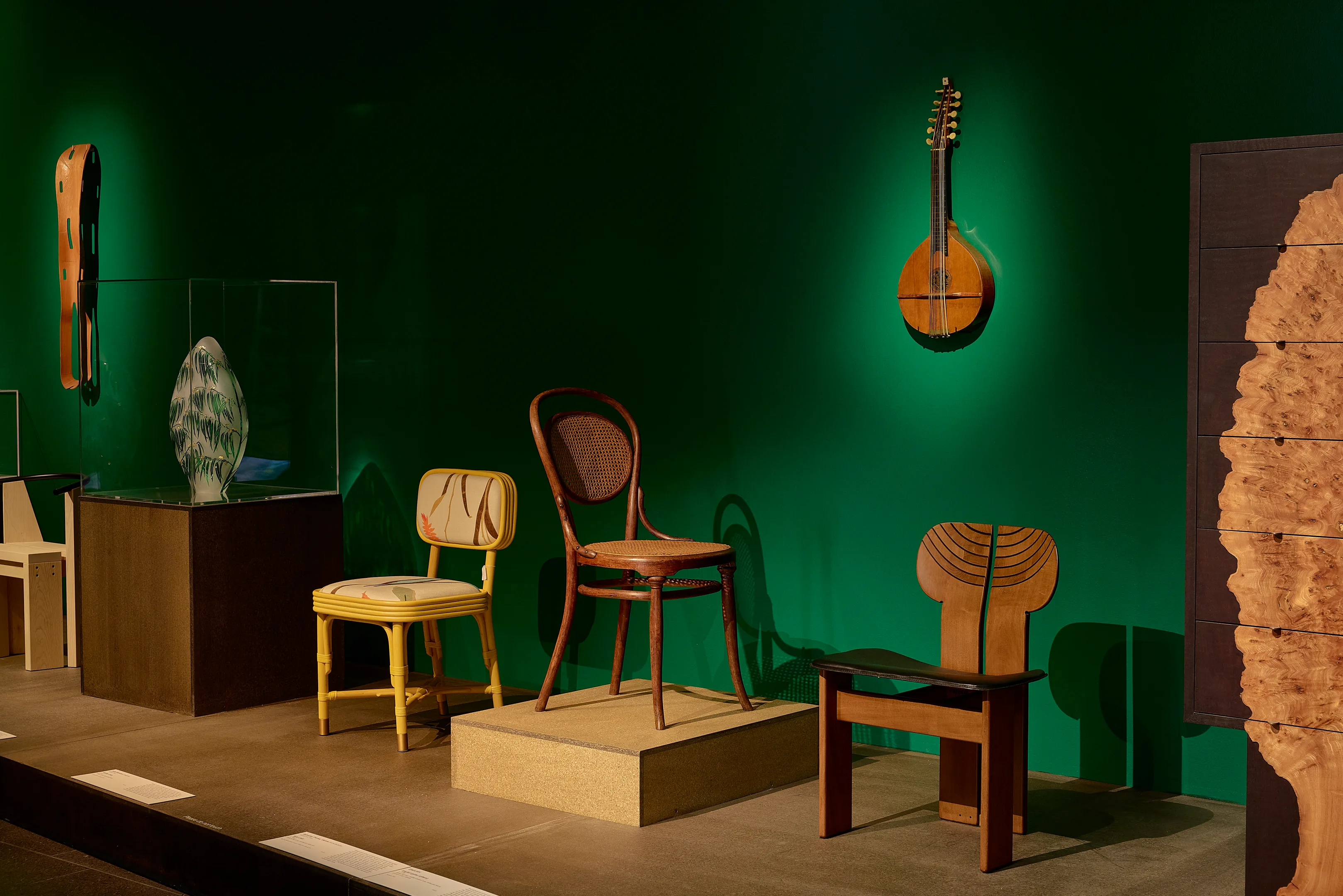
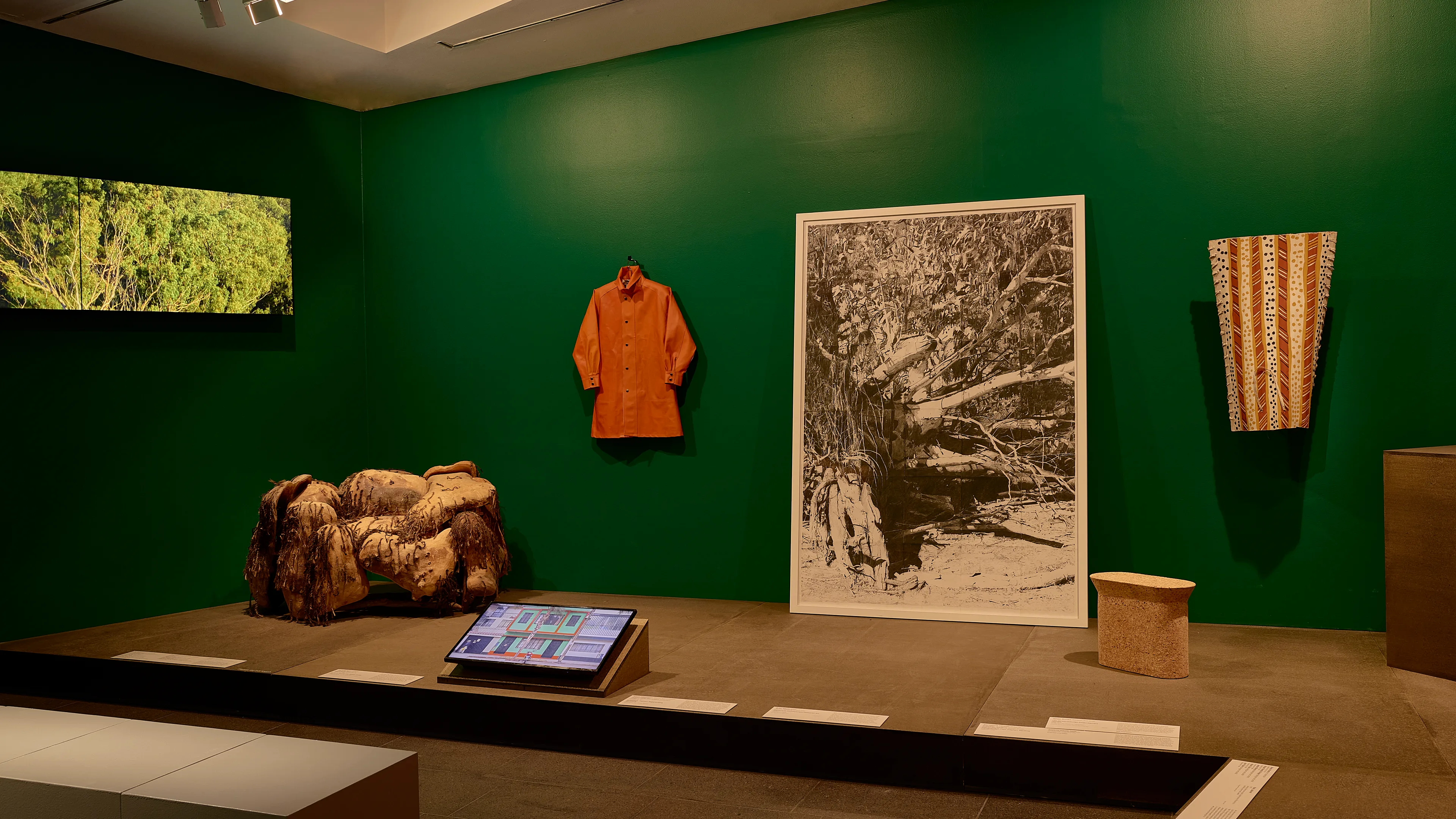
The result of this relationship is a mottled firefighter’s garment called Mycelium Wildfire Jacket, now on display as part of new NGV exhibition Plant Life: The Nature of Design at The Ian Potter Centre in Fed Square. Through both forward-thinking new designs and historical examples, Plant Life hopes to open our eyes to the potential of plant-based materials in modern life – whether that’s algae-based masonry, traditional Vietnamese silkwork or, in the case of Freeman and RMIT University industrial designer Judith Glover, the burgeoning technology of mycelium.
With their firefighter’s jacket, Freeman and Glover used mycelium, the thread-like structure produced by fungi, to produce a speculative prototype that could represent the future of protective clothing, if not fashion more generally. Except for the mushroomy colour, the jacket looks and acts as firefighters would hope: it’s fire-retardant (“mycelium chars rather than ignites,” says Freeman), provides necessary coverage and storage, and is even more breathable than current designs. Crucially, mycelium also avoids so-called forever chemicals like PFAS that are common in current protective clothing, and has some serious environmental upsides compared with traditional leather.
“When we look at the pie chart of where emissions are, we’re doing quite well on things like electricity, we’re moving on the vehicle stuff, but agriculture is a big problem,” Glover says. “If you could get a material like this up to a stage where the finish might be acceptable for certain applications, you could potentially replace a lot of bovine leather production, and that has an enormous global impact.”
About the author

The mycelium used in Freeman and Glover’s jacket comes courtesy of two collaborators: material scientist Tien Huynh and microbiologist Mohamad Arekha Bentangan, who already has a factory in Indonesia producing mycelium leather. While the technology is still in its infancy, Mycelium Wildfire Jacket shows that the structure can be a workable textile with some real potential uses in design that address broader issues like sustainability and climate change.
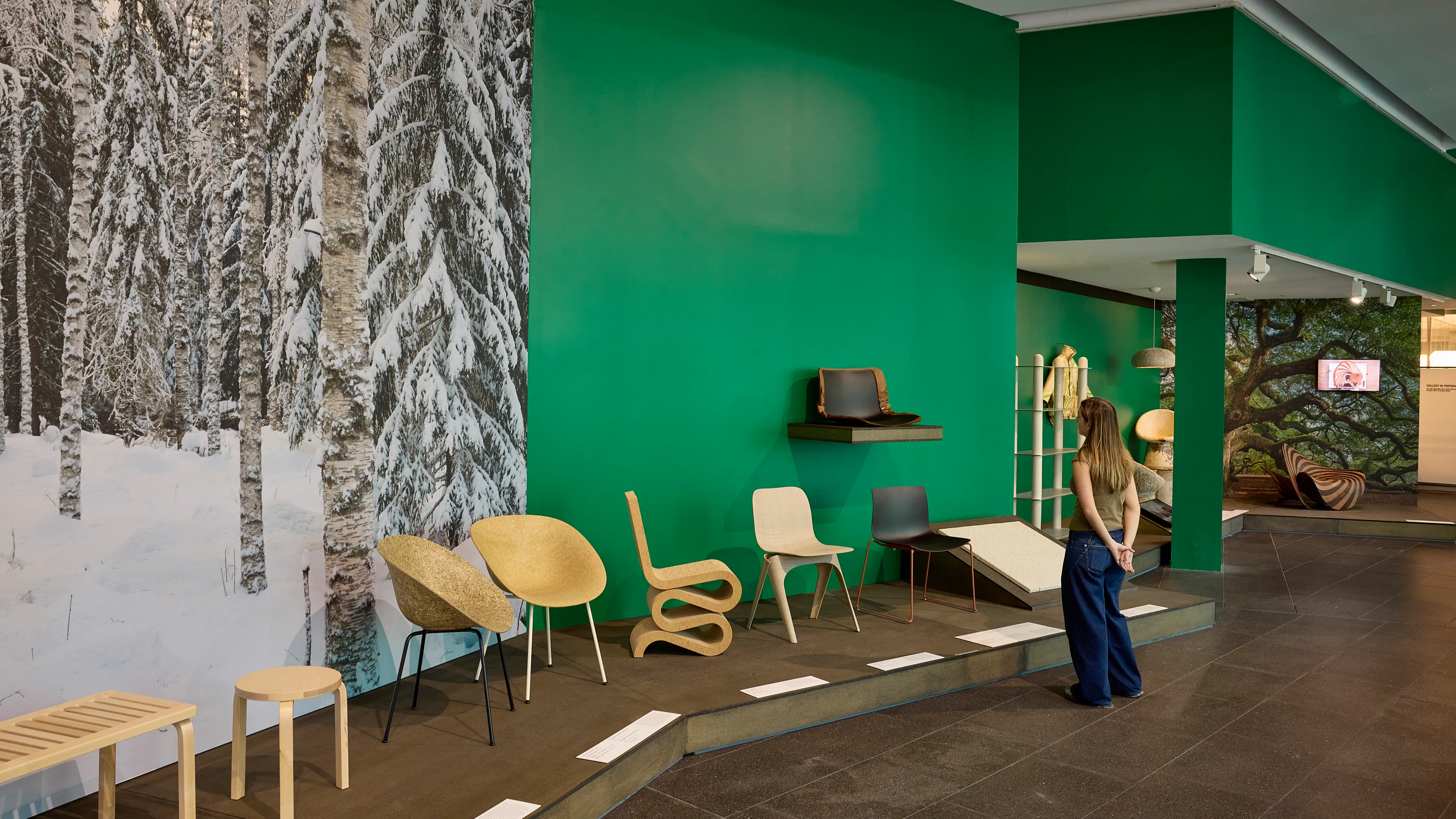
Plant Life shows that the same can be said about many other ancient and emerging biomaterials, too. There are contemporary furniture pieces like Joris Laarman’s Ply Loop Chair, created with plywood made from hemp fibre and bio-resin as an alternative to the monoculture plantations and toxic adhesives of traditional plywood. There’s the concrete alternative of oyster shell and algae-derived biomasonry by Kate Scardifield: essentially plant-based bricks derived from aquatic life demonstrated in a real-world construction by architects Edition Office.
The exhibition also asks us to look back in time as well as forward, reflecting on the holistic environmental relationships of First Nations people and Traditional Owners, like in a woven sikki grass container from India and a kelp water container by Trawlwoolway artist Julie Gough.
For Glover, the point of Plant Life is to show what could be. The hope is that, by demonstrating the potential of biomaterials like mycelium leather, those with the necessary funds might step in and help take the benefits to the world.
“It’s a case of who wants to put money in to scale it,” Glover says. “As somebody who works in an industry that’s very much a part of developing innovation and working with new technology, I feel an enormous sense of frustration that so much money is going into areas like AI at the moment.
“If we just had a smidge of the trillions that are going into that space, that could go into areas like biomaterials, then I think you know we’d get to some solutions a lot quicker.”
Plant Life: The Nature of Design is open now at The Ian Potter Centre: NGV Australia in Fed Square. Entry is free.
Broadsheet is a proud media partner of the National Gallery of Victoria.

More from Broadsheet
Videos
More Guides
Recipes



-6e9e4d4cb1.webp)
-c121bced4e.webp)