Food & DrinkBeyond the City: Why the Mornington Peninsula Could Be Melbourne’s Next Culinary Frontier
-dc03bd1190-f6bda1294d.webp)



Words by Quincy Malesovas · Updated on 12 Oct 2026 · Published on 06 Oct 2026
In Melbourne, new restaurants, cafes and bars are opening almost every week, but fierce competition, high rents and established hospitality strips can make the city difficult for operators to crack.
Consequently, some are looking further afield to regions like the Mornington Peninsula, where a growing population, a steady flow of weekend visitors and a less saturated hospitality scene are creating opportunities that might be harder to find in the city.
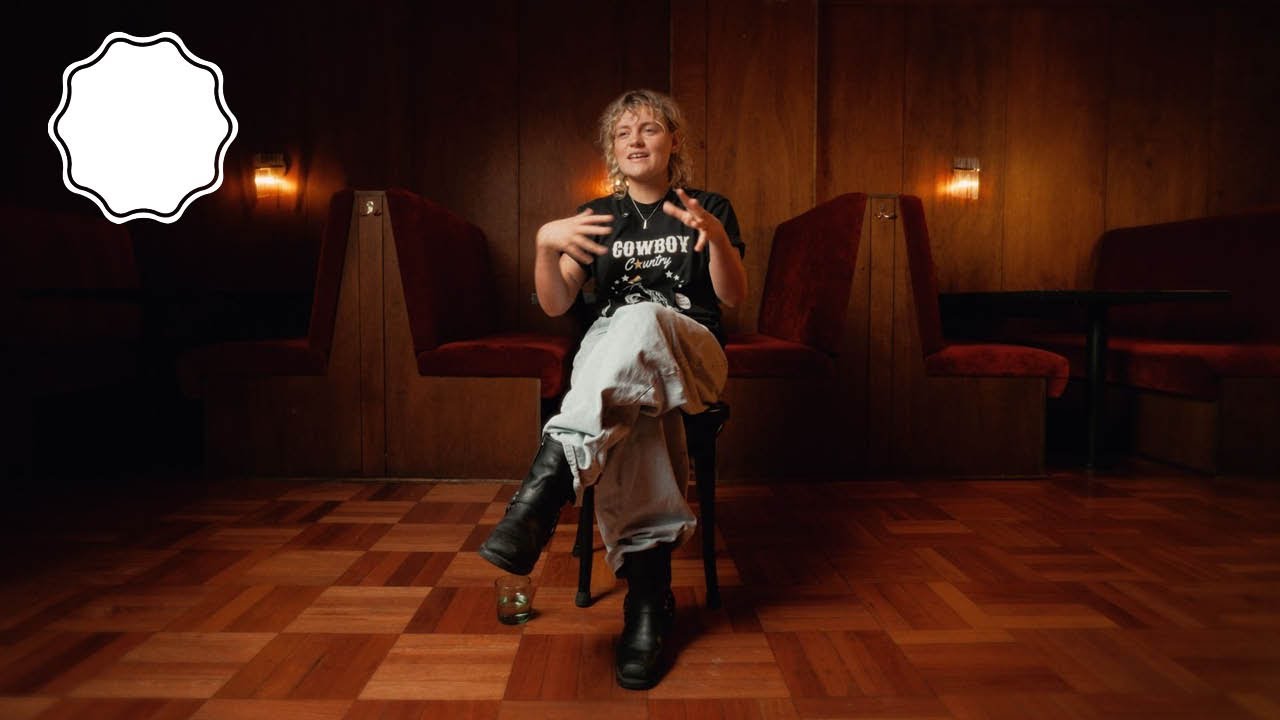
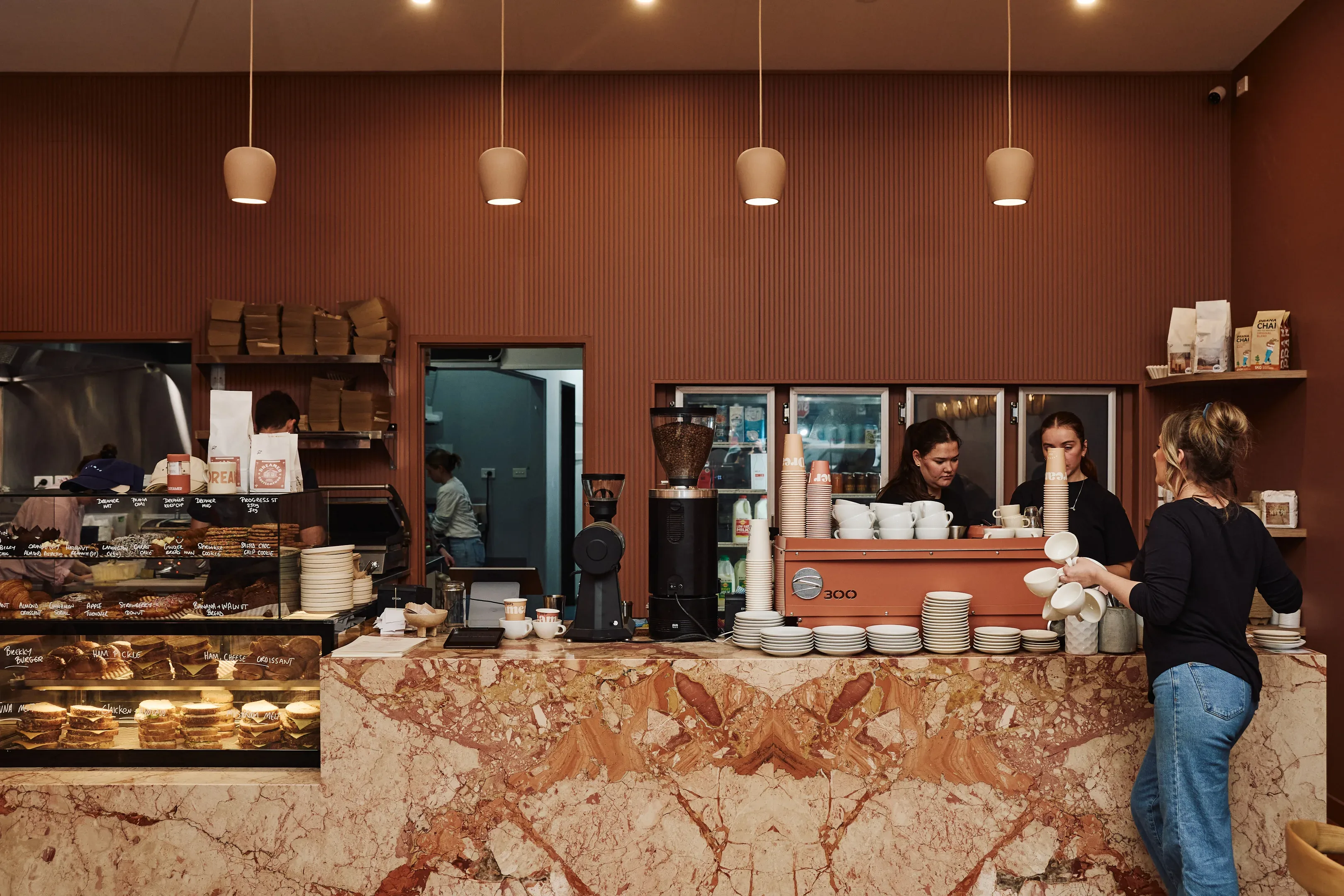
Ben Rosenberg, who owns Dreamer cafe with his wife Melisa Alizzi-Rosenberg, is one of them. “Living there over the last five years, it’s grown rapidly, and it’s continuing to grow,” he says.
Dreamer’s first site opened in Mornington in 2022 before expanding to Balnarring earlier this year. The original cafe occupies a small corner-store site tucked into the side streets, where the business gained traction quickly, particularly as Melbourne holidaymakers began arriving for summer weekends.
But while the Peninsula is heavily associated with tourism, Rosenberg says locals are ultimately what keep the business going. “They’re our bread and butter,” he says. “We’re very community-focused.”
About the author
Quincy Malesovas is a Melbourne-based freelance food writer, founder of Gruel and co-editor of Mince. She’s been writing for Broadsheet since 2019.

At Dreamer, that means getting to know regular customers while keeping the offering consistent enough to appeal to visitors. In a typical week, Rosenberg estimates the customer base is around 60 per cent locals and 40 per cent tourists, shifting closer to an even split during peak periods.
That balance is part of what makes the Peninsula increasingly interesting to hospitality operators – it isn’t simply a seasonal destination anymore. More Melburnians, Rosenberg included, are relocating to the region, bringing an appetite for the hospitality and amenities they were used to in the city.
He describes Mornington as having a little of the feel of Byron Bay: coastal, relaxed and distinct from the city, but increasingly populated by people who don’t necessarily want to give up the things they enjoyed there. “They miss the beautiful restaurants we have in Melbourne,” he says.
That demand is also creating more room for operators. Rosenberg says lower rents, less competition and the opportunity to serve a growing local population are among the reasons businesses are looking beyond Melbourne’s established hospitality strips.
You can see that shift not just in the venues themselves, but in the spaces being created to house them.
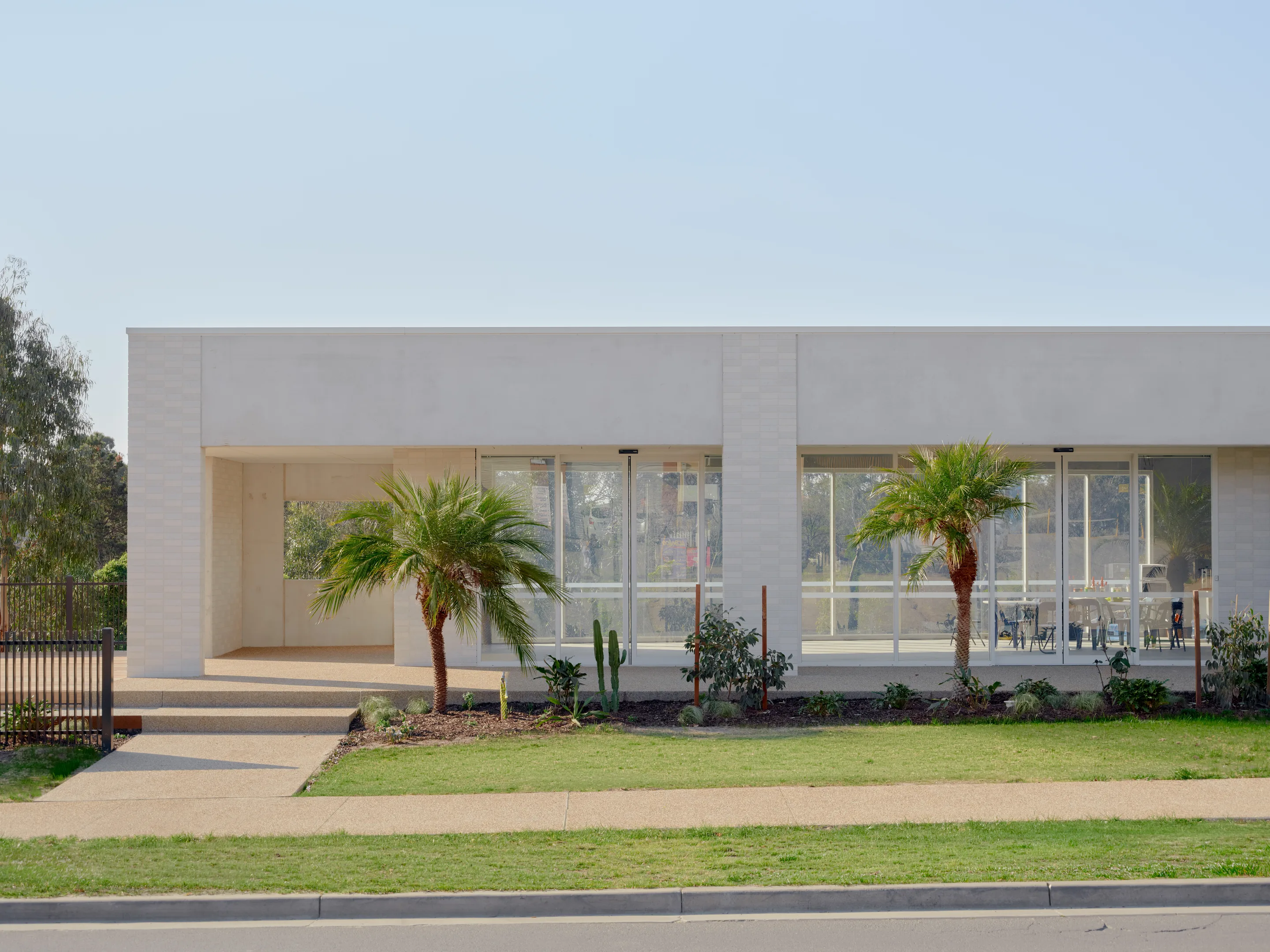
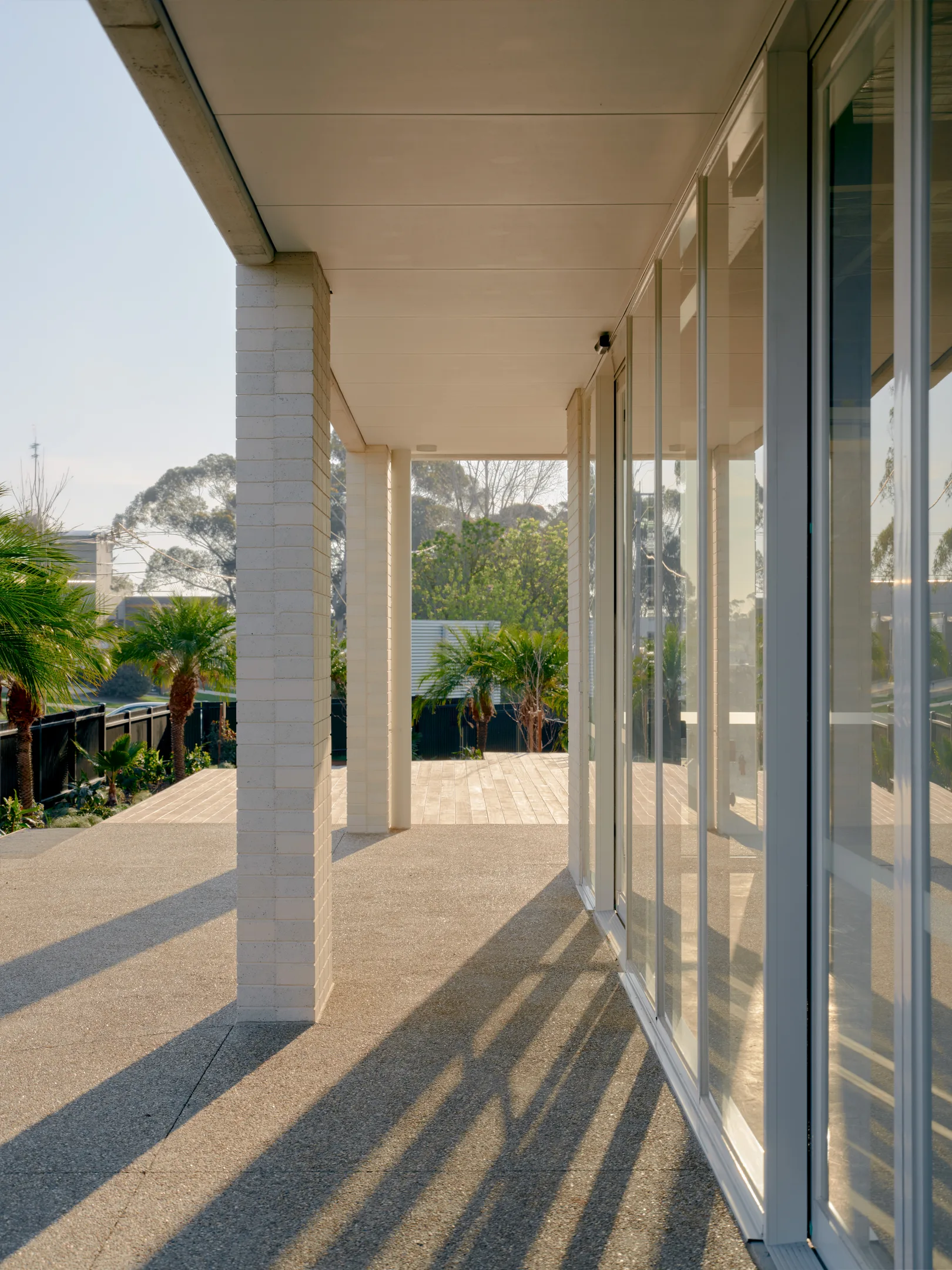
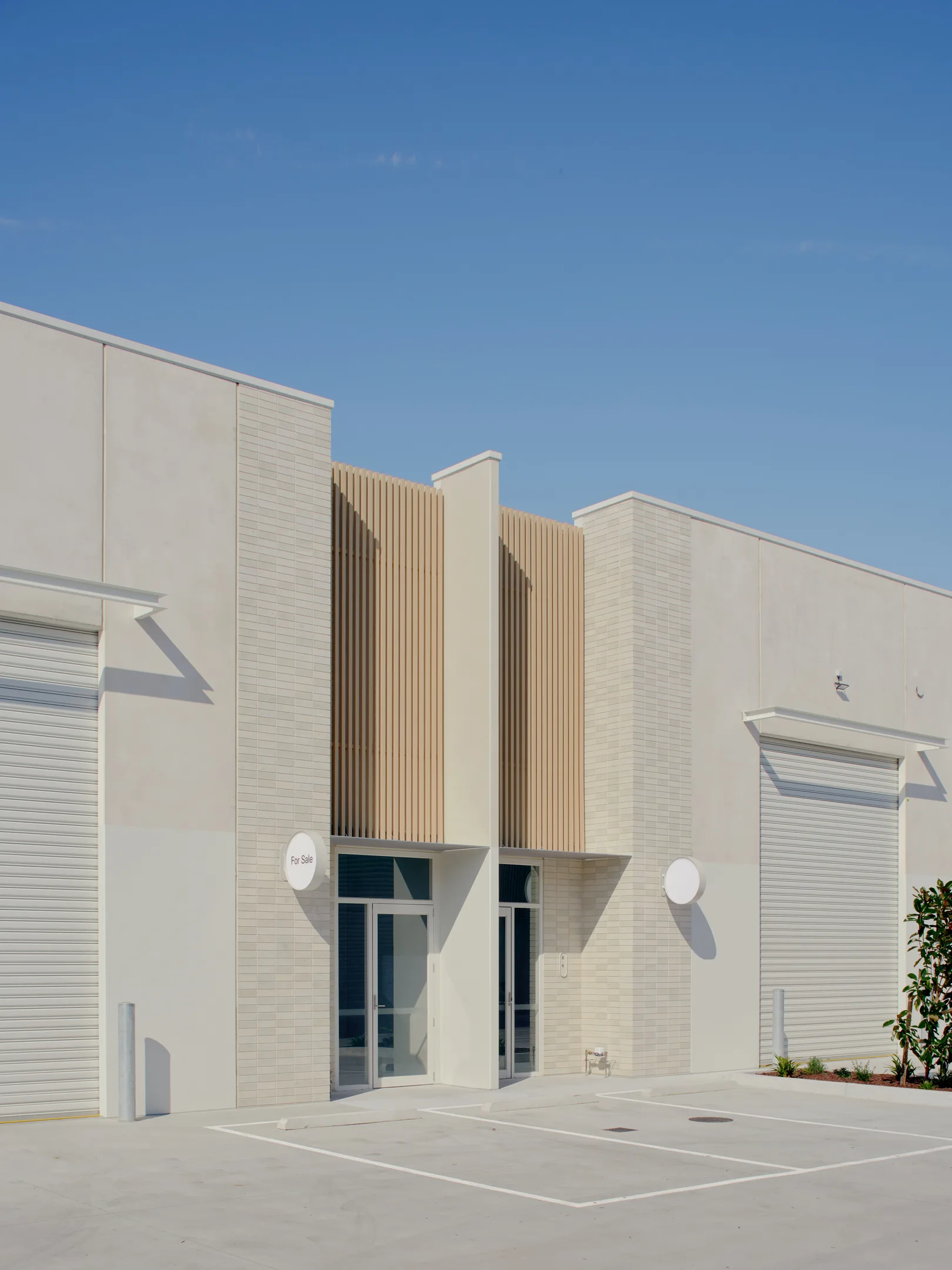
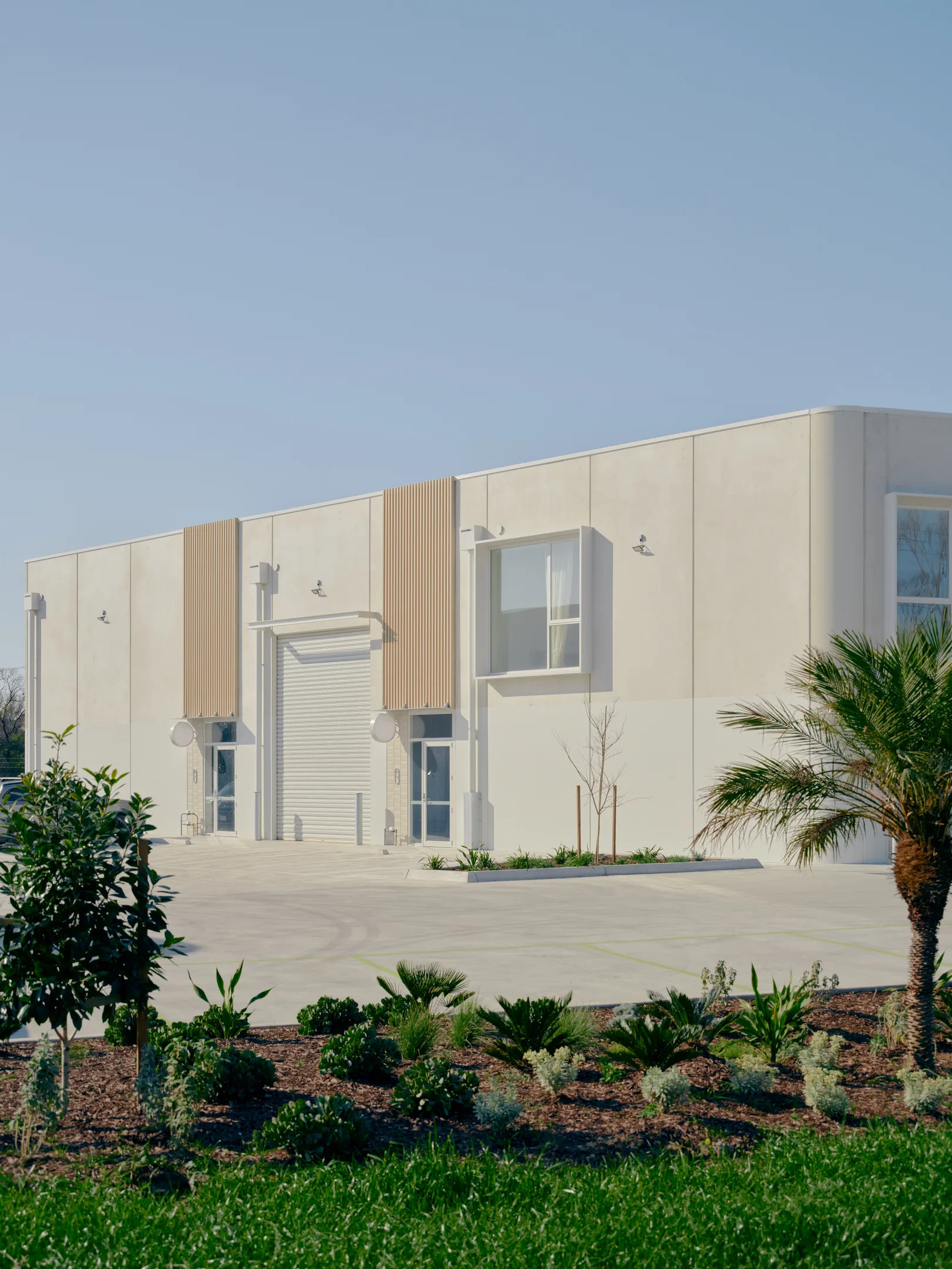
In Mornington, Gestalt Property’s Free Form is a new architecturally led development for office, retail and studio spaces, catering to independent businesses and flexible workspaces. Most of its commercial spaces have already been sold, predominantly to owner-occupiers.
But its remaining available space is a standalone food and beverage venue, designed to accommodate formats from a bakery, cafe or patisserie to a coffee roastery, restaurant or hybrid retail-and-cafe concept. With a 135-seat permit, it offers the kind of scale and flexibility that can be difficult to find in Melbourne – and for Rosenberg and other operators, is another reason to look to the Peninsula.
This article is produced by Broadsheet in partnership with Gestalt Property.
 (3)-cb9fbb5738.webp)
Produced by Broadsheet in partnership with Gestalt Property
Learn more about partner content on Broadsheet.

More from Broadsheet
Videos
More Guides
Recipes

-c121bced4e.webp)



-6e9e4d4cb1.webp)