When Weiwei (Nearly) Met Warhol
Words by Will Cox · Updated on 13 Apr 2017 · Published on 11 Dec 2015
Ai Weiwei can’t be sure, because everybody in the room is an imposter – but he thinks that might be Andy Warhol.
Rewind a year. A young artist from Beijing moves into a tiny, sparsely furnished apartment in Manhattan’s East Village. He came to study at the Parsons School of Art & Design, but after failing his entrance exam, he finds himself adrift. He sleeps on a mattress on the floor. Money is tight. He takes on odd jobs: he cleans, babysits, helps to renovate apartments. Sometimes he paints portraits for tourists in Times Square.
When Ai Weiwei was growing up in Communist China, America was the evil empire. New York City was a hive of capitalist excess.
“I remember my first glimpse of New York, when my plane came down,” Ai told the Smithsonian in 2012. “It was early in the evening – it looked like a bowl of diamonds.” The Beijing that Ai recalls from that time was dark and grey. Lights went off after sunset. People’s facial muscles, Ai said, were just not used to smiling.
Now, on the other side of the world, New York’s East Village art scene is pulsing around him. He carries a little SLR camera at all times and documents his new life with aplomb, shooting endless rolls of candid shots. He walks the same streets as Jean-Michel Basquiat and Keith Haring, but as a young Chinese migrant, he’s not part of their world. And, of course, there’s Andy Warhol.
Shortly after arriving in New York, Ai finds a signed copy of The Philosophy of Andy Warhol (From A to B & Back Again) at Strand bookstore on Broadway. It will be the first book he reads cover-to-cover in English. He reads in his apartment. The author’s studio, The Factory, which for more than two decades has been the hub of New York’s artistic activity, is just around the corner on Union Square.
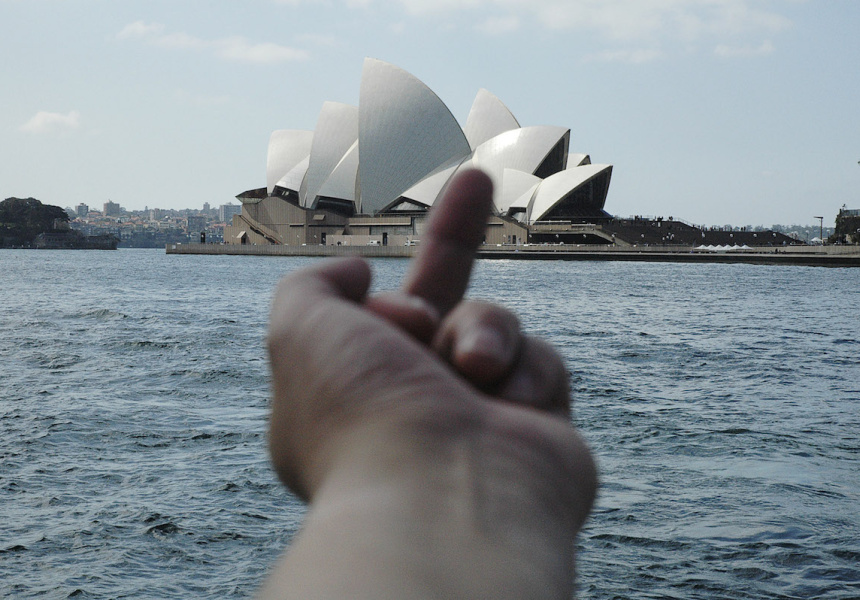
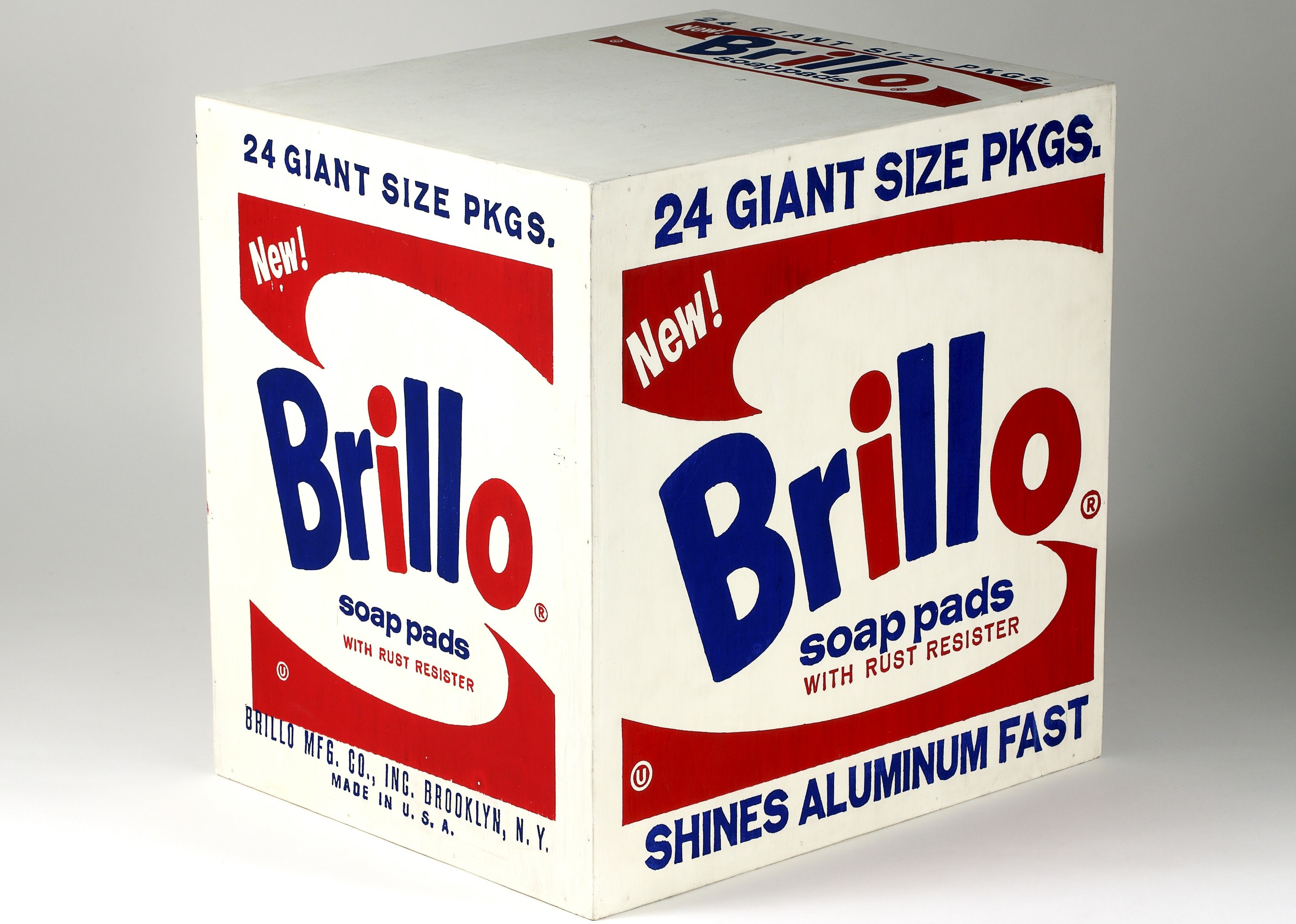
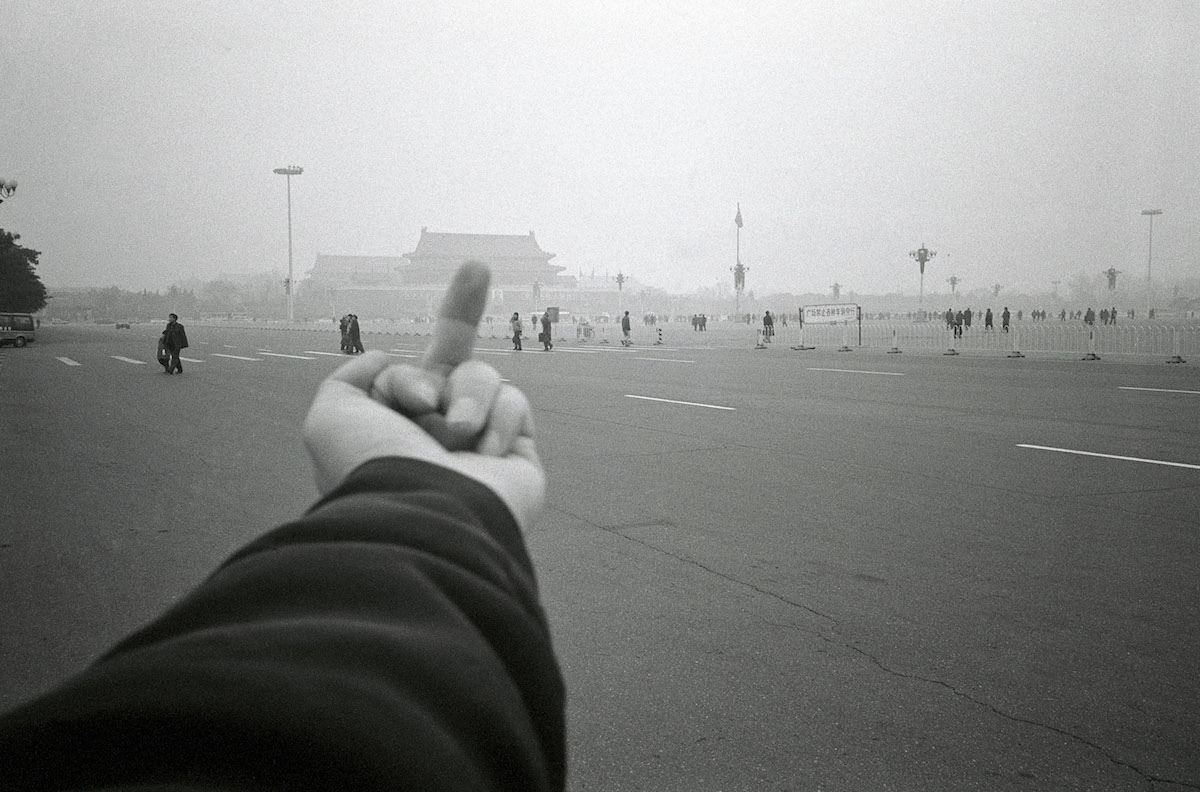
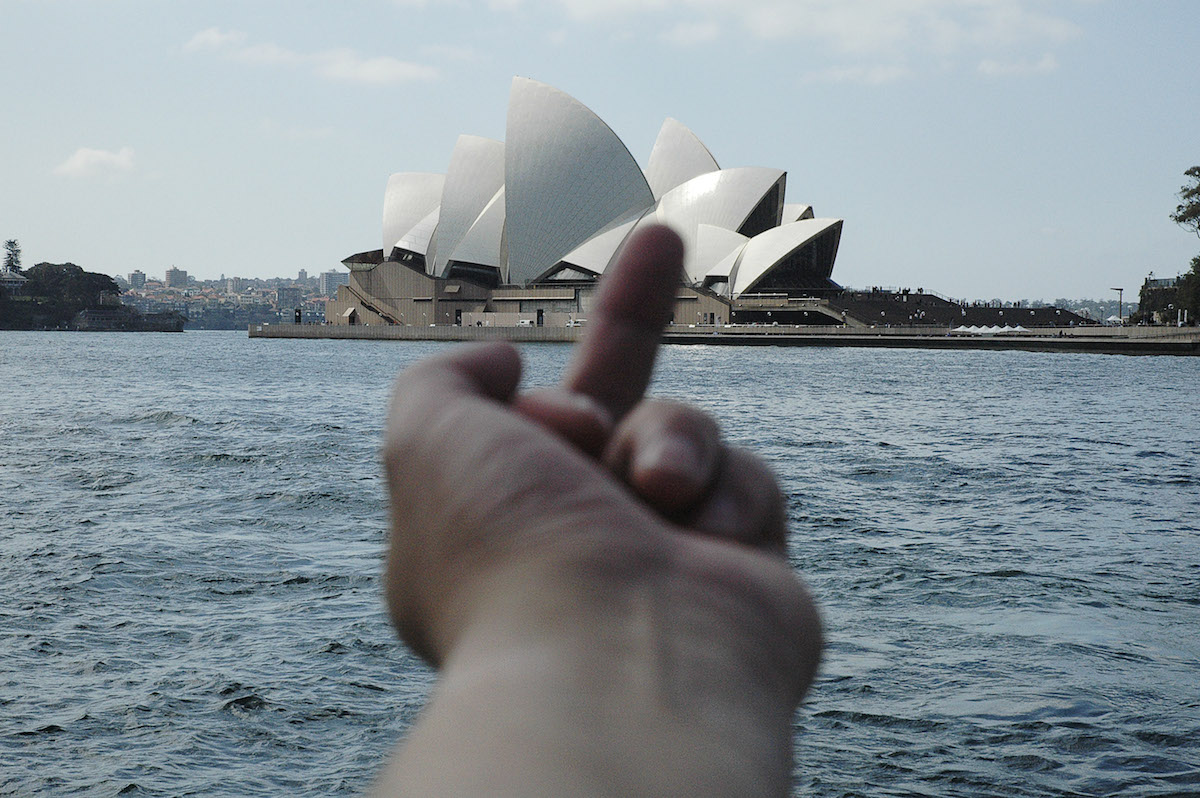
December 2015, Melbourne. The National Gallery of Victoria is about to launch the biggest international exhibition it has ever attempted. In a world first, Andy Warhol / Ai Weiwei will exhibit the artists side by side, and closely track the parallels between the lives of the two iconoclasts. Andy Warhol: the quintessential New York hipster savant, who brought celebrity and mass-production into the art world – whether it wanted it or not – by reproducing Brillo boxes and creating a painting of 32 Campbell’s soup cans. And Ai Weiwei: China’s art-world celebrity and political rebel, as famous for flipping nationalistic icons the bird as he is for designing a sports stadium.
They’re from opposite ends of the world, working decades apart. Although they lived 6.4 kilometres from each other for years, they never actually met. But somehow, it makes sense. Why?
COWS, MAO AND CAONIMAS
For Max Delany, the senior curator of contemporary art at the NGV, the connection is clear.
“It’s not so much about artistic style, but strategy and methodology,” says Delany. We talk at the entrance to the exhibition two weeks before the opening. All I’m allowed to see is a wall of Warhol’s Cow Wallpaper (1966). The glue is still drying under the same gaudy pink-and-yellow cow’s head duplicated across 295 square metres. Behind a tantalisingly half-open door are wooden crates of other original Warhol works brought together from New York, Pittsburgh, Canberra, Brisbane.
Ai has dabbled with wallpaper too. Around the corner from Warhol’s wall of cows hangs Ai’s wallpaper of caonimas, a fictitious animal from an internet meme which, long-story short, became a mascot for free speech and a shorthand for condemning the Chinese government. It's also Mandarin for something very rude .
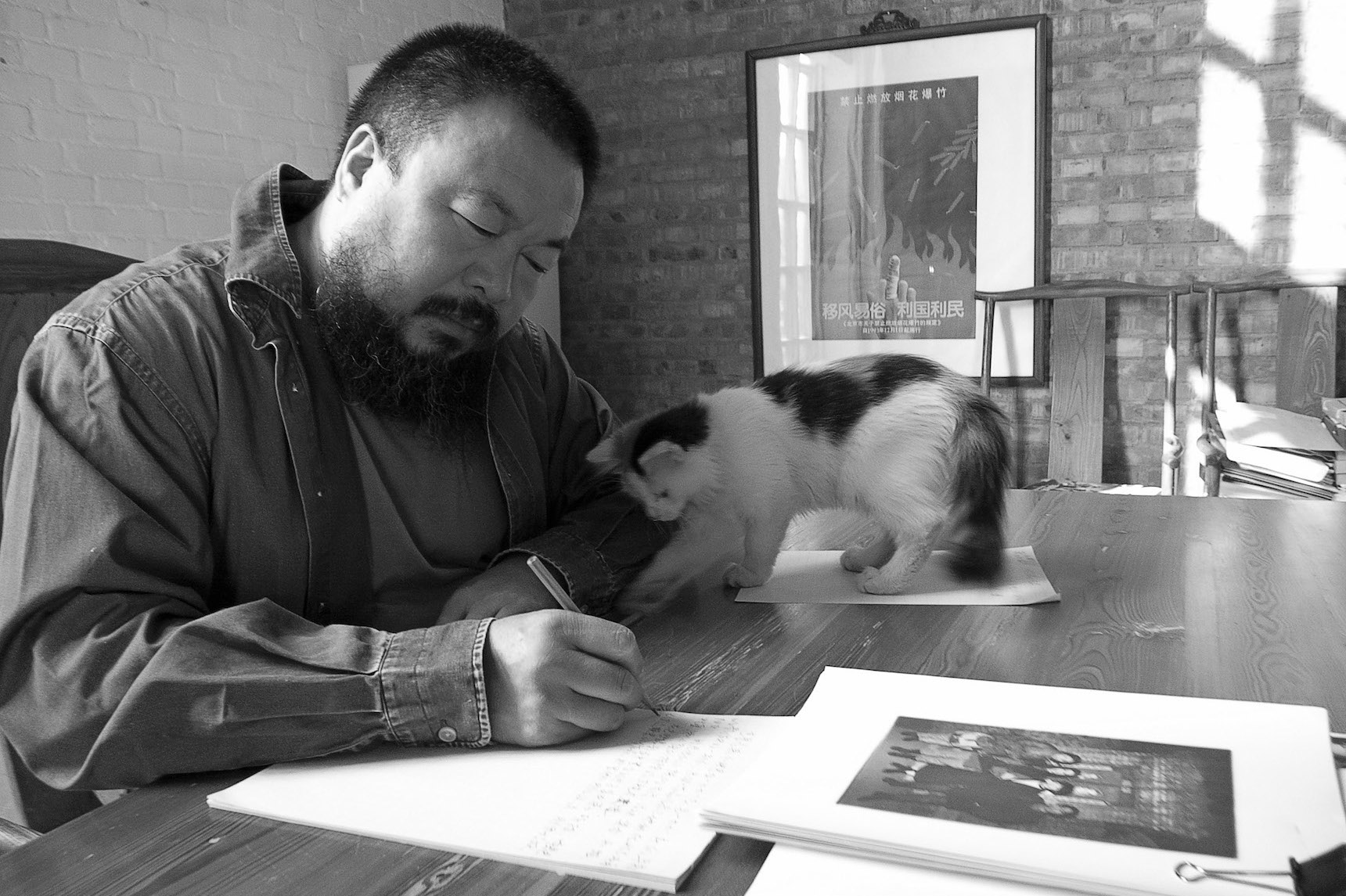
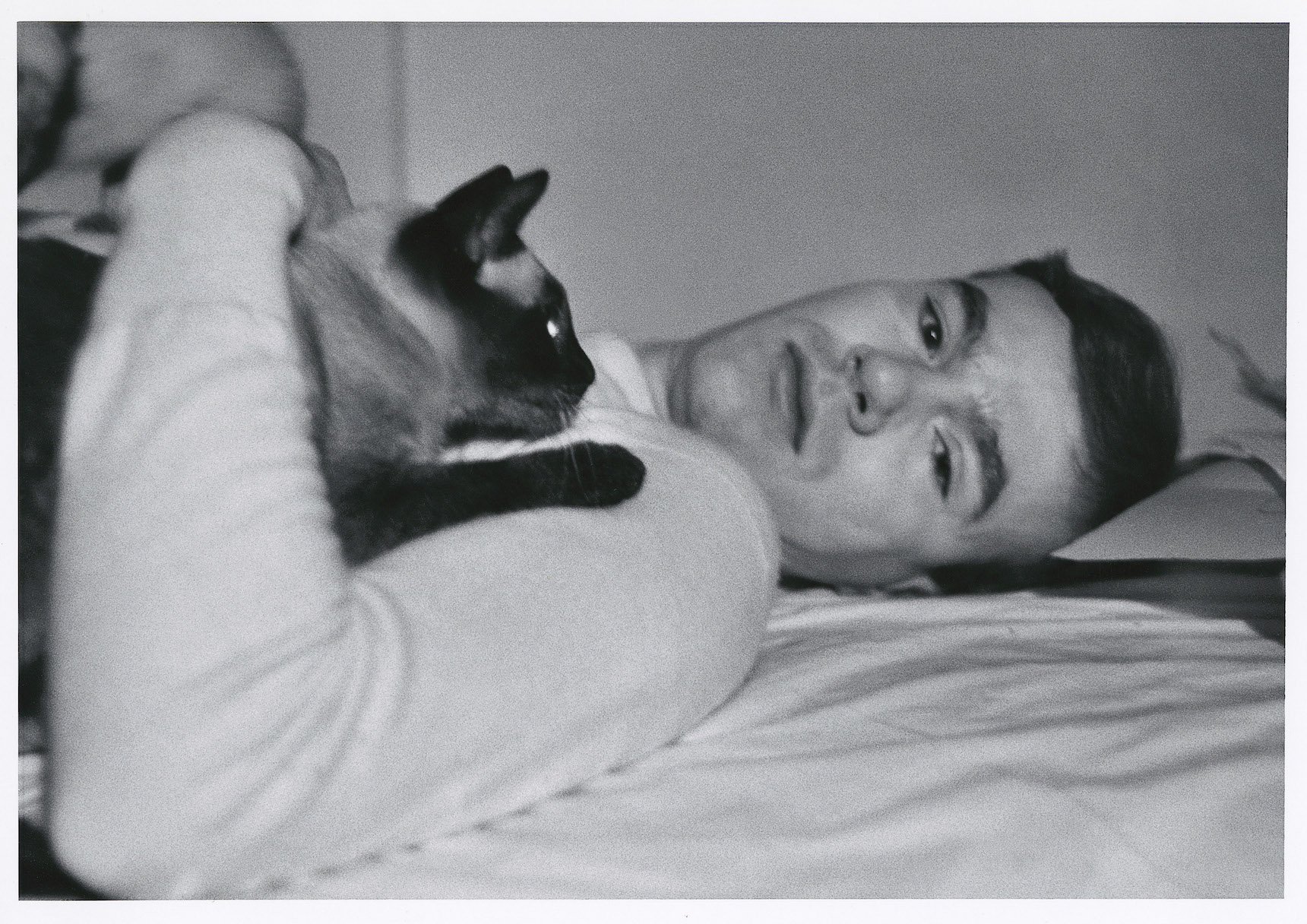
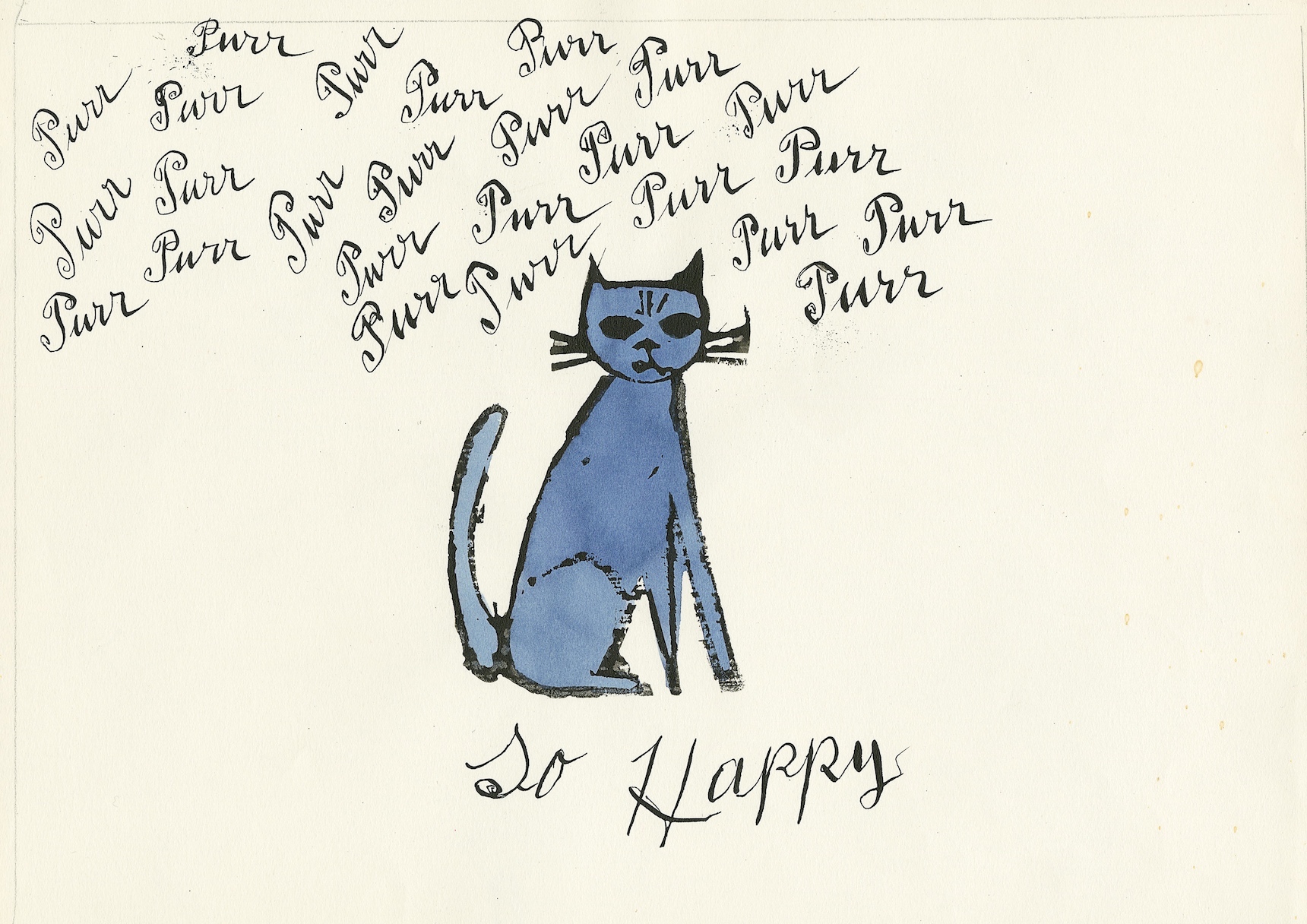
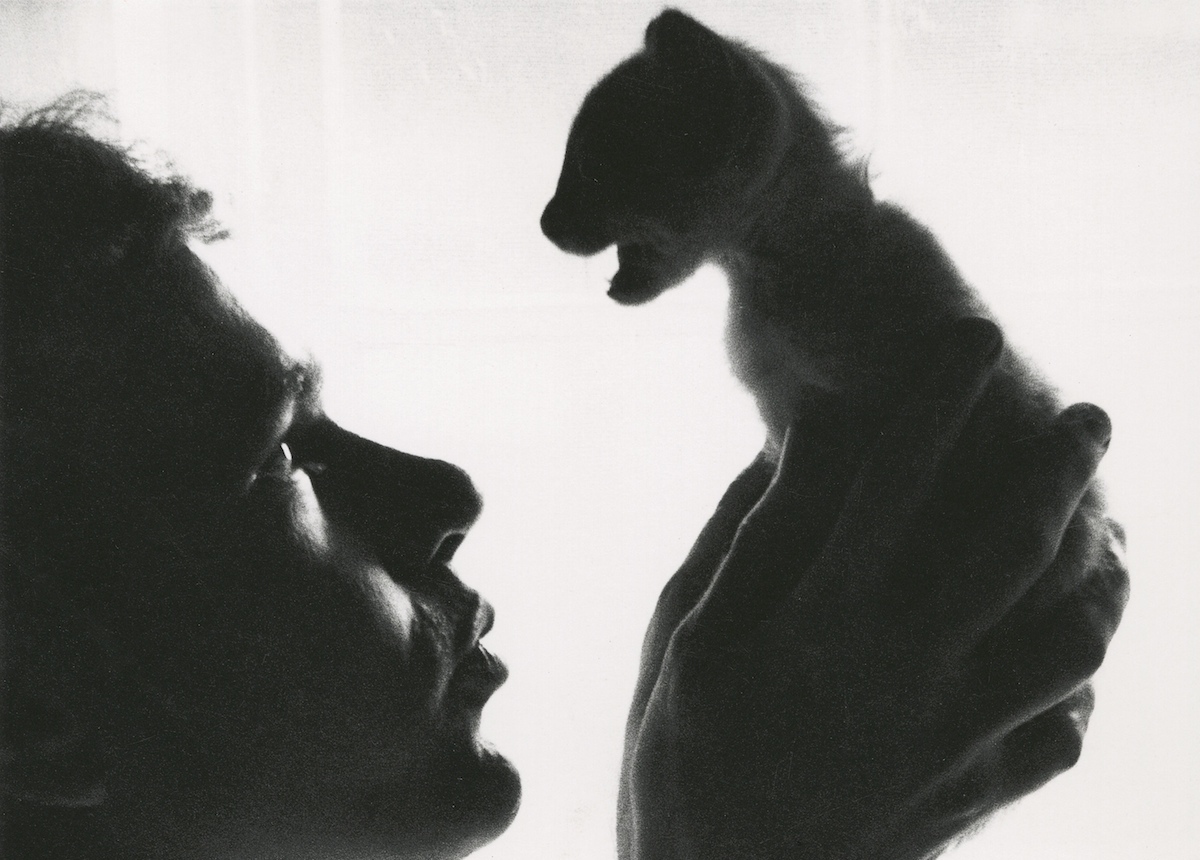
The crossovers start to become clear: both artists have a love of puns and cheap jokes. Both embrace mass-production. Both have employed dozens of people at a time to realise their ideas. Both turned their studio spaces into vast hubs of production. They share an obsession with cats – Ai has 40 of them, as his Instagram followers will know, and Warhol had a tendency to name all of his Sam. Both respect the power of celebrity and mass communication. Both owe more than a little to Marcel Duchamp, with their tendencies toward re-deploying existing objects in their art and reveling in the potential of appropriation. And both, Delany says, are inescapably contemporary.
“People often think of Warhol as all about the surface,” says Delany. “But he’s chronicling his own time in, I think, quite profound and enduring ways.
“Warhol represents America,” Delany continues. “The vernacular, the popular culture, the commercialism, the celebration of everyday items. Warhol is representative of the culture in which he lived.
“Weiwei picks up on that. He’s more direct and interventionist, more of an activist in grappling with the forces of history, but he’s absolutely representative of the culture in which he lives,” Delany says. “He’s very interested in the cultural heritage of China, for instance.”
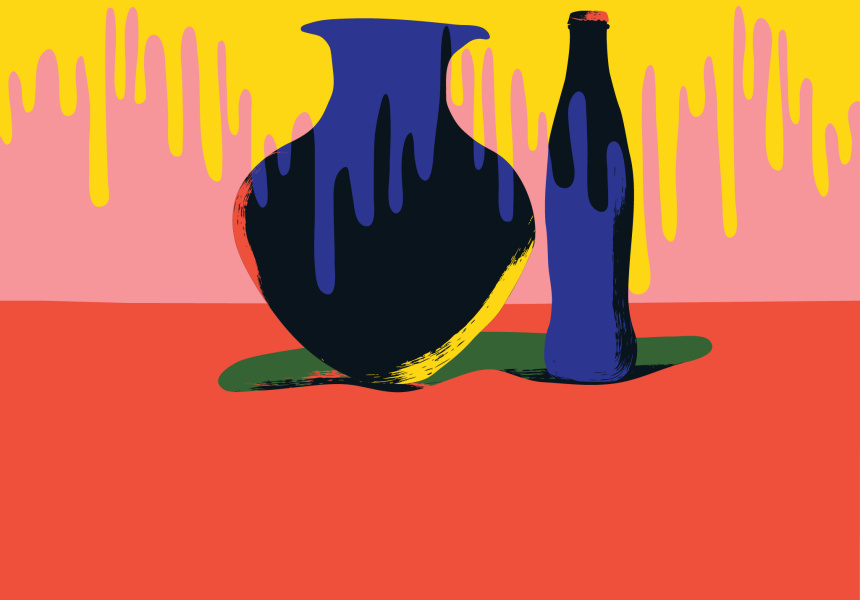
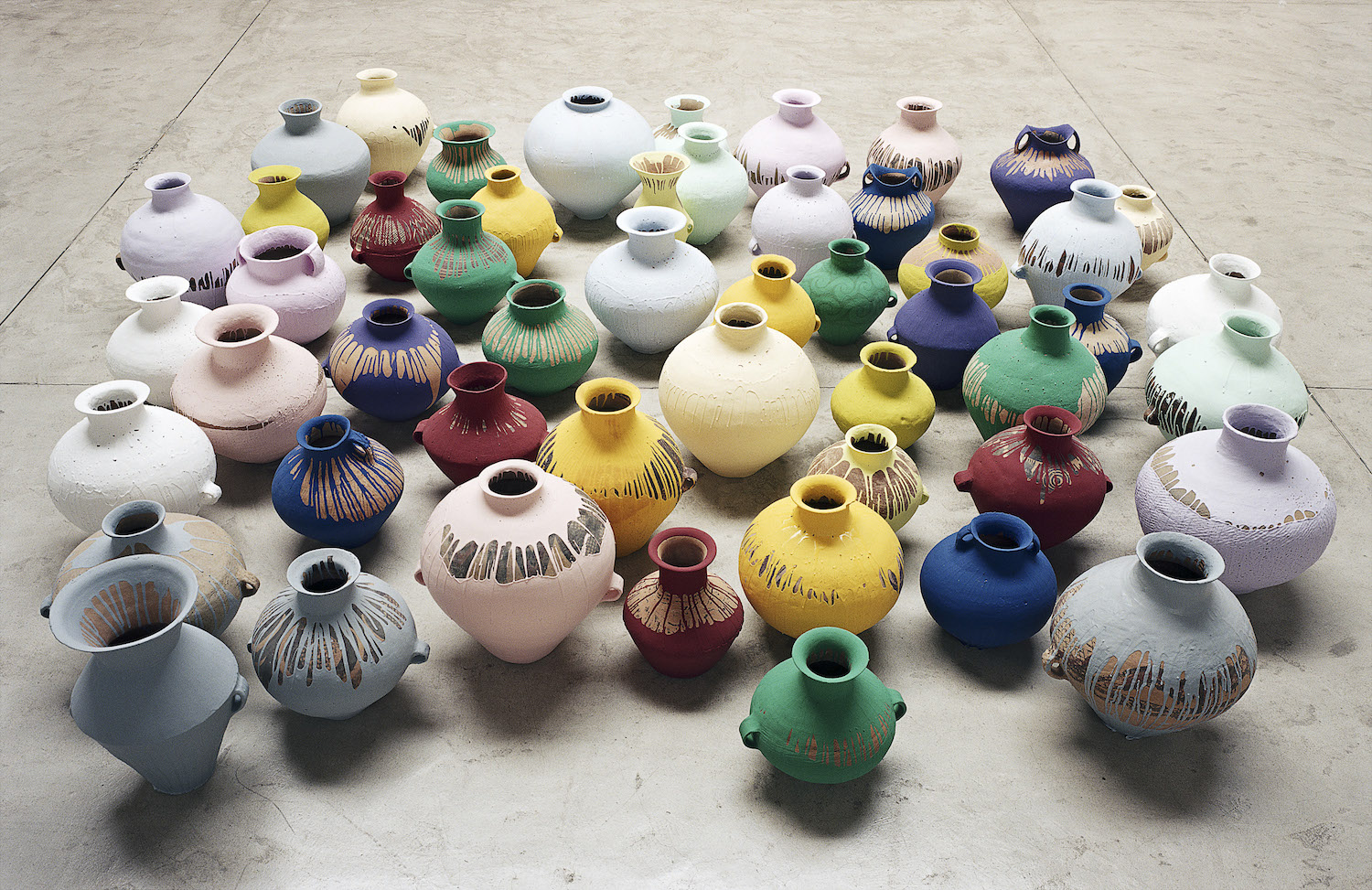
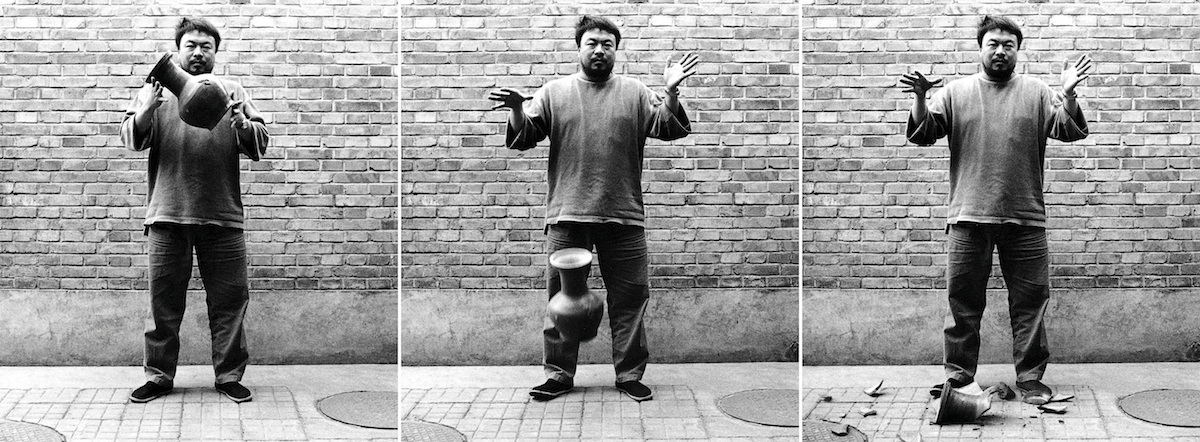
For proof we only have to look at Ai’s track record of “ruining” priceless artefacts. In his Colored Vases series, Ai dips priceless 2000-year-old Han Dynasty ceramics into lurid industrial paint. 1995’s Dropping a Han Dynasty Urn is a photographic triptych which shows the artist simply dropping the urn to the ground, letting it smash before him. At Monday night’s Q&A at the NGV, a coy Ai says he was simply, “testing the shutter speed of his camera”. But like Warhol stacking Brillo boxes on the gallery floor, in appropriating these items, he’s validating them: if he didn’t attribute some kind of value to the original pieces, what would be the point of defacing or destroying them?
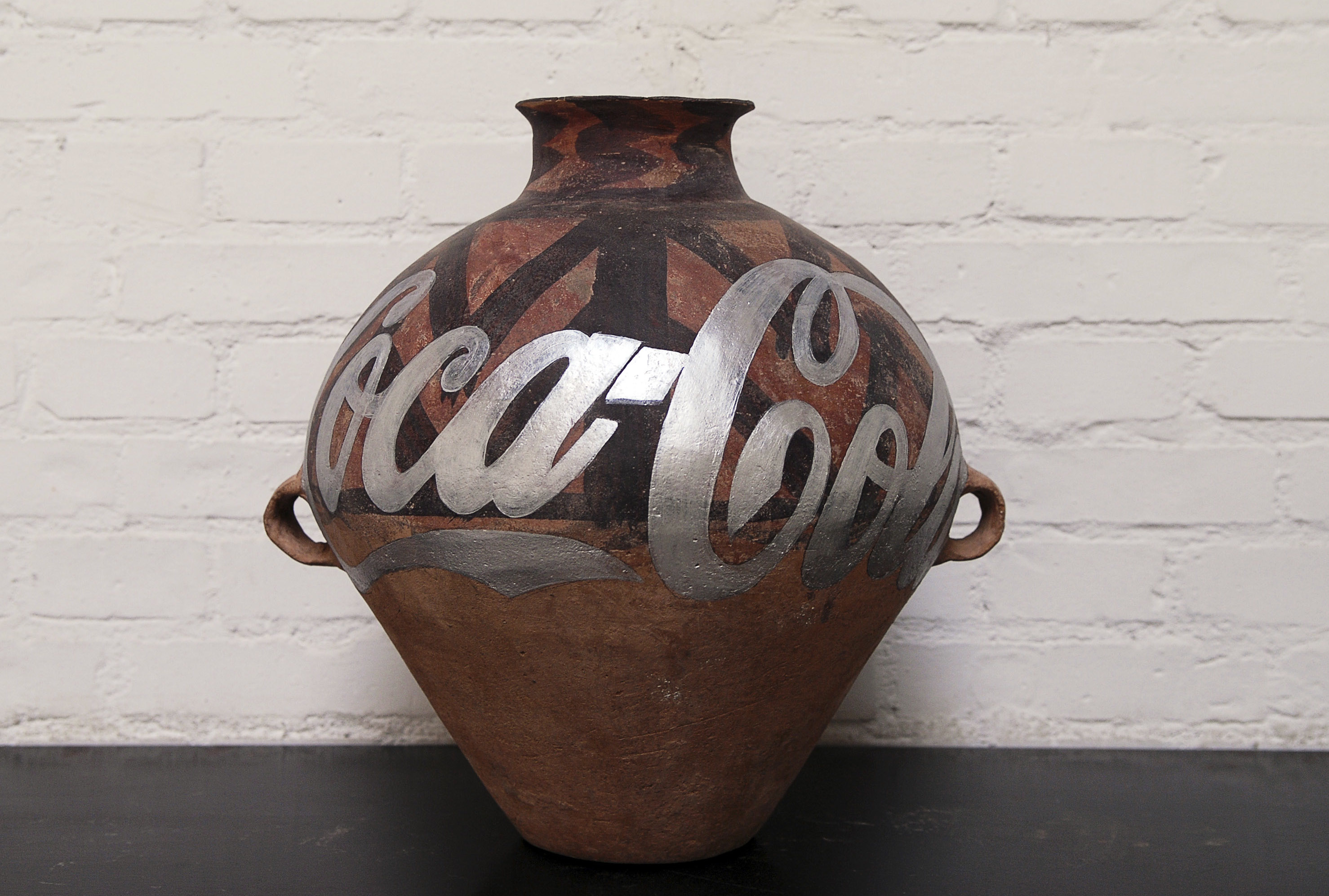
And then, in true acknowledgment of his Warhol influence, there’s Ai’s Han Jar Overpainted with Coca-Cola Logo (1995). “It’s a Duchampian readymade and a Warholian logo in the one work,” says Delany. “For me, it’s also a beautiful encapsulation of Chinese history and the conflicting identities of modern China.”
In 1984, Warhol sees these identities firsthand when he visits China on business. The socialite Alfred Sui, millionaire son of a Hong Kong billionaire, has built an extravagant night club, designed as a shrine to Western pop culture, and asks Warhol to paint his portrait.
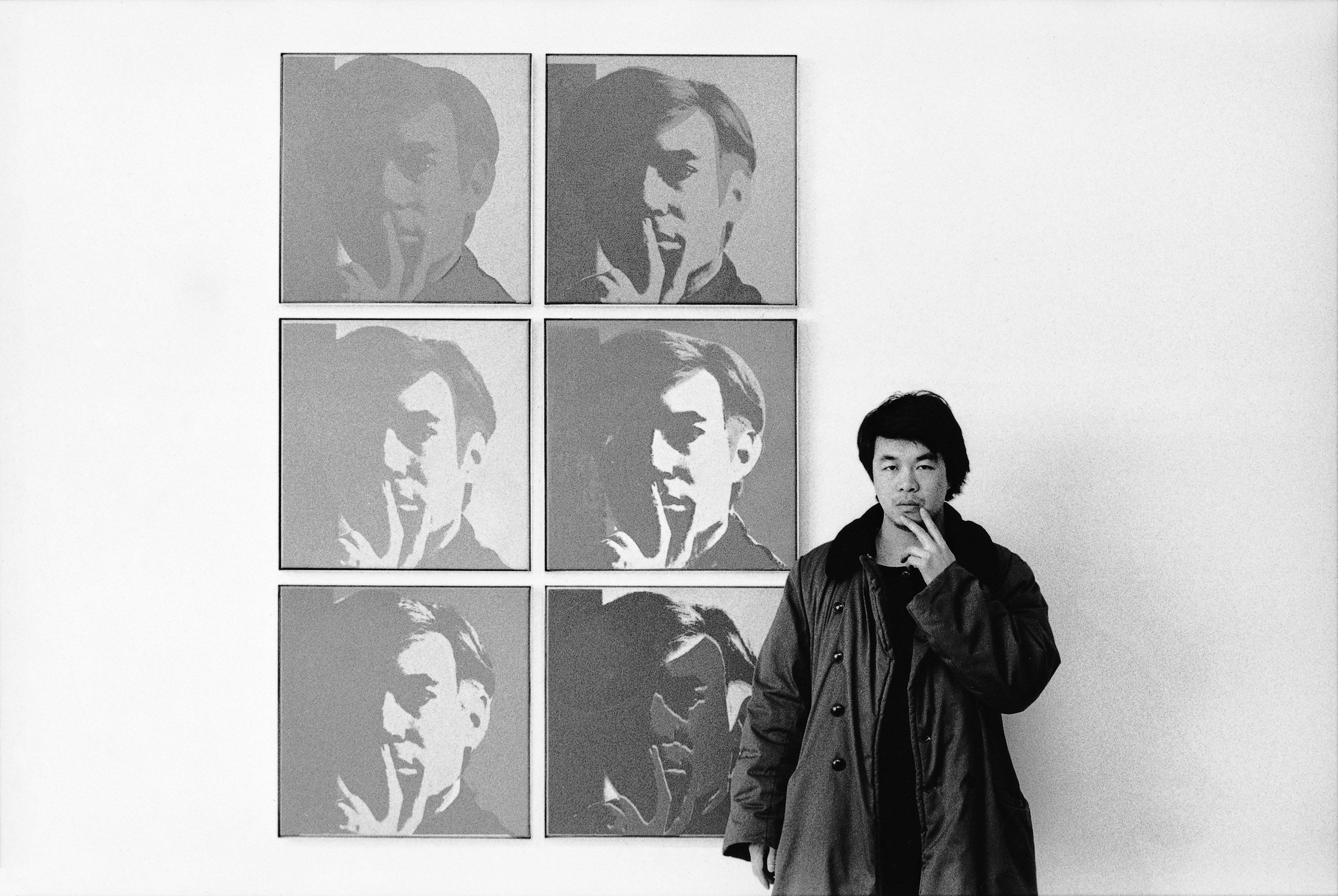
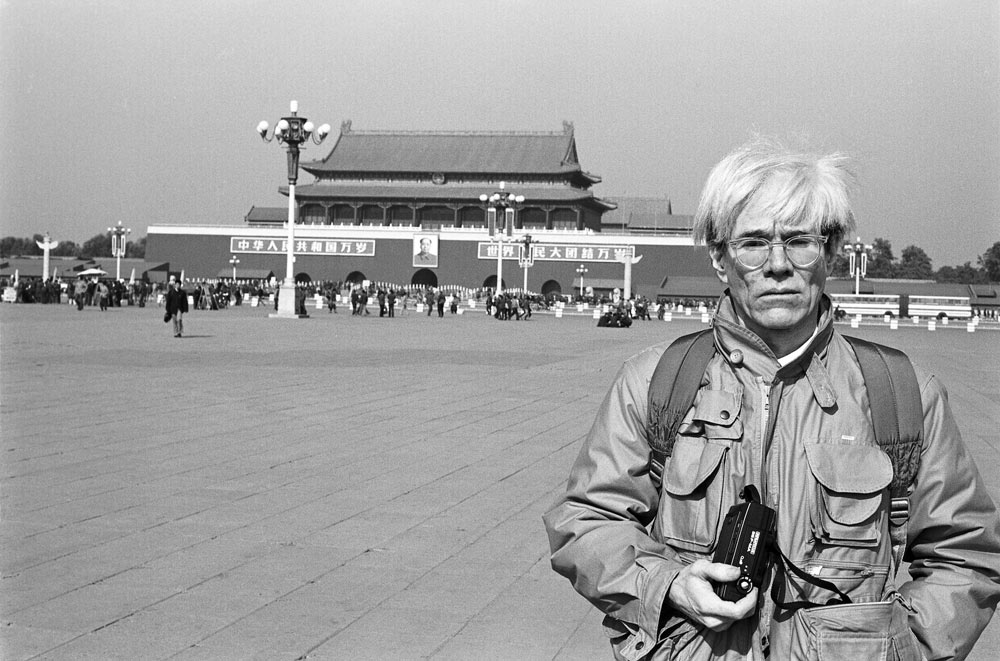
By this time, China is a different country to the one Ai left. Under the influence of new chairman Deng Xiaoping, the country is embracing commercialism in a way it never has before. People wear blue denim jeans and drink Coca-Cola. When he is there, Warhol sees the portrait of chairman Mao that dominates Tiananmen Square, six metres high, framed as if it's hanging in a lounge room. Warhol has his own photo taken in front of it, his face typically deadpan and unreadable.
Years before this first China visit, Warhol made silkscreen portraits of Mao in gaudy primary colours. Mao’s lips were ruby red, and his mole was highlighted like a beauty spot. Under Warhol’s gaze, the stoic figure of the communist revolutionary and the founding father of the People’s Republic of China became a celebrity like any other.
POLAROIDS AND TWEETS
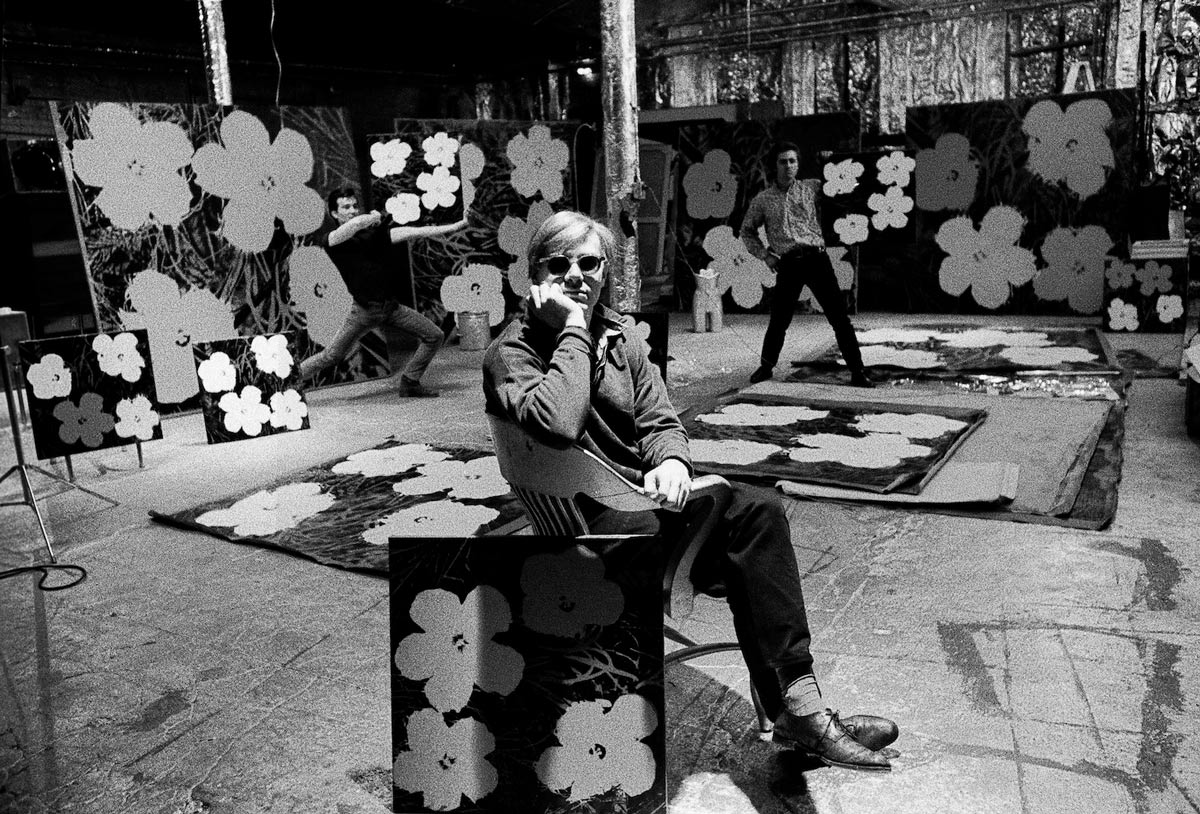
In mid-1980s New York, Andy Warhol is everywhere. His artworks are ubiquitous, and his influence cuts through every layer of popular culture. But he goes further than that. He photographs and films his way through every day, documenting his friends, his breakfast and his house, shooting everything from the fascinating to the mundane. He appears on Saturday Night Live and The Love Boat . He hosts a low-key late-night cable television show during which he chats to celebrities in his own unconventional way. Everything he does, every project he takes on, is done to reach big audiences.
“He was transparent,” Delany says. “With Warhol, everything was open. He cultivated a persona that could communicate with wider contexts than just the art world.”
Today Ai Weiwei has 299,855 Twitter followers. He averages 13 tweets a day, retweeting fan adoration, commenting on Beijing’s toxic air quality and linking to political articles. He boldly recorded his own arrest, then installed surveillance cameras in his home which, for 46 hours before the Chinese government demanded he switch them off, broadcast his every move to more than five million viewers around the world. He has added political engagement and social awareness to Warhol’s delight in vacuity, but like Warhol, Ai is nothing if not a conduit for his times.
I talk to John Tancock, art historian and one of the few people to have worked with both Andy Warhol and Ai Weiwei, shortly after he arrives home in New York after an extended trip to Ai’s hometown, Beijing. Tancock tells me that Ai’s fame is almost an accident. “He became famous in spite of himself,” he tells me. “For Warhol, fame was very important. Ever since he was a teenager he was fascinated with movie stars and glamour.
“But I don’t think fame in that sense is something that Weiwei has ever sought at all,” Tancock says.
But, I add, he’s mobilised that fame for political aims. He’s easily as known for his frank attitude to the Chinese authorities as he is for smashing a Han dynasty vase, and every day he draws a little bit more attention to the corruption in the Chinese government. So maybe it’s a fame for a different age?
“Yes, that’s true,” says Tancock. “He wants to reach as many people as possible, and he achieves that.” Like Warhol, Tancock adds, Ai has cultivated a superstar image, whether he likes it or not. “People approach him in the street,” he says. “He’s now such a recognisable figure in China that people can hardly believe it when they see him in the room with them.”
A COPY OF A COPY
In 1984, Ai Weiwei could hardly believe it when he realises he’s in a room with Andy Warhol. It’s at Brooklyn’s PS1 gallery, that much we can be sure about.
For the specifics, I go to Warhol archivist Matt Wrbican, whose role at the Andy Warhol Museum in Pittsburgh involves sifting through some half-a-million items of ephemera left by the man himself in 610 “time capsules” – boxes and parcels containing everything from books to restaurant menus, junk mail to sweet wrappers.
“I don’t know for sure,” says Wrbican, “but I wonder …
“This artist, Mike Bidlo,” says Wrbican. “He’s well known for appropriating the work of other artists and doing what are essentially copies.” Very Warhol. “In the ’80s he made Warhol copies titled Not Warhol .”
In April of 1984, Wrbican tells me, the year after Ai arrives in New York, Bidlo takes over PS-1 to stage an elaborate re-creation of Warhol’s The Factory at its 1960s peak. When Ai Weiwei enters the room – for the sake of argument, we’re going to assume he was definitely there – Bidlo’s friends are acting the roles of Warhol’s Superstars hard at work on a film, and a Velvet Underground cover band massacres All Tomorrow’s Parties in the corner. The walls are coated with silver paint and tinfoil. Someone dressed as Valerie Solanas, the woman who tried to kill Warhol in 1968 passes by and shoots a toy gun at Ai.
Across the room, Mike Bidlo is dressed head-to-toe as Warhol: jeans, leather jacket, striped T-shirt, blond wig. But behind that, standing to the side of the assembly line where guests are silk-screening their own Marylin Monroes, an older version of Warhol, one without the air of fakery, cuts a conspicuous figure. His jacket looks like real leather, his wig wilder, and his face typically deadpan and unreadable.
Andy Warhol / Ai Weiwei opens at NGV International on December 11, 2015 and runs until April 24, 2016.
Broadsheet is a proud media partner of this exhibition.


-9618b5d451.webp)

-cc7203651b.webp)