

Words by Nadia Bailey · Updated on 14 Oct 2026 · Published on 14 Oct 2026
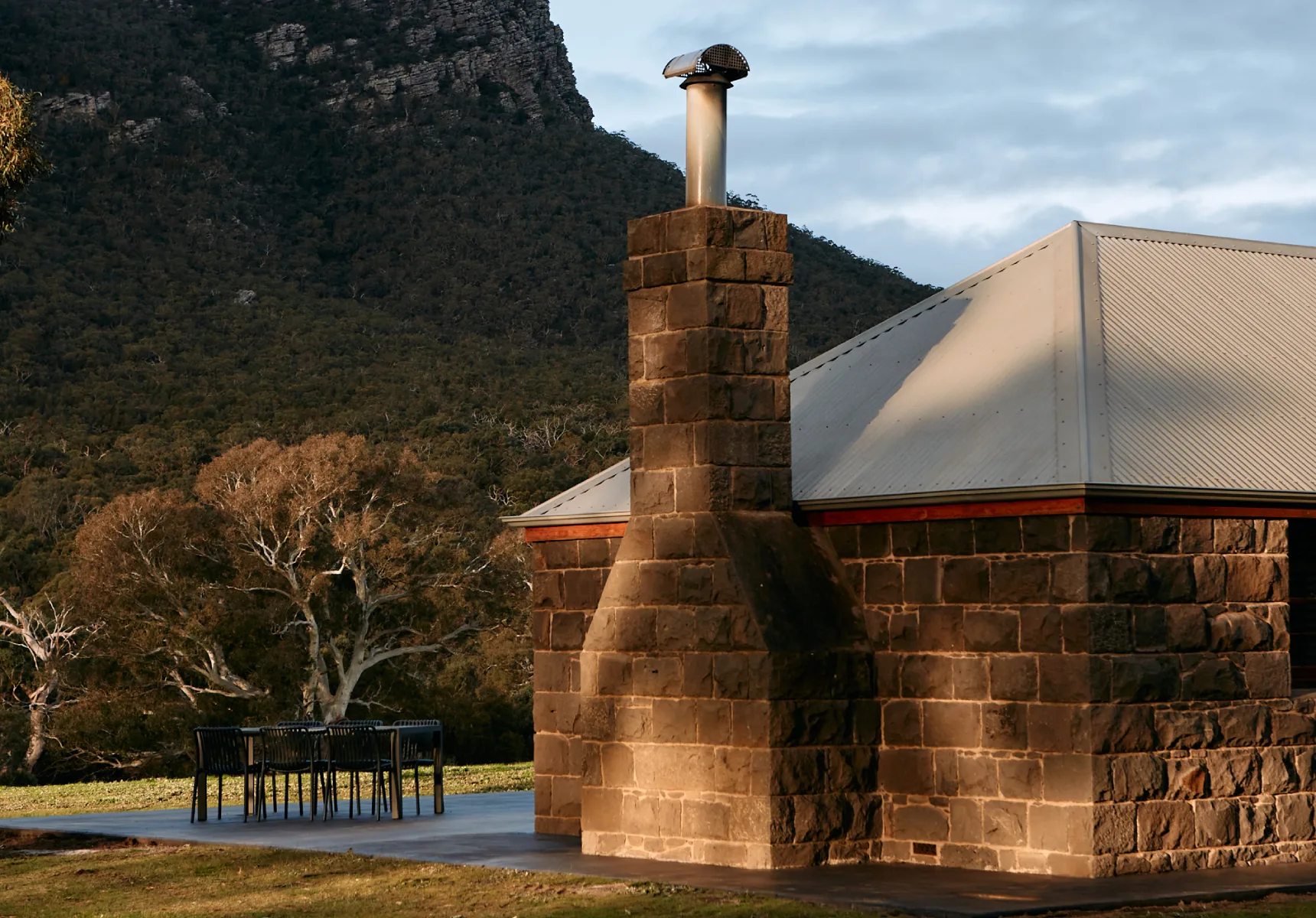
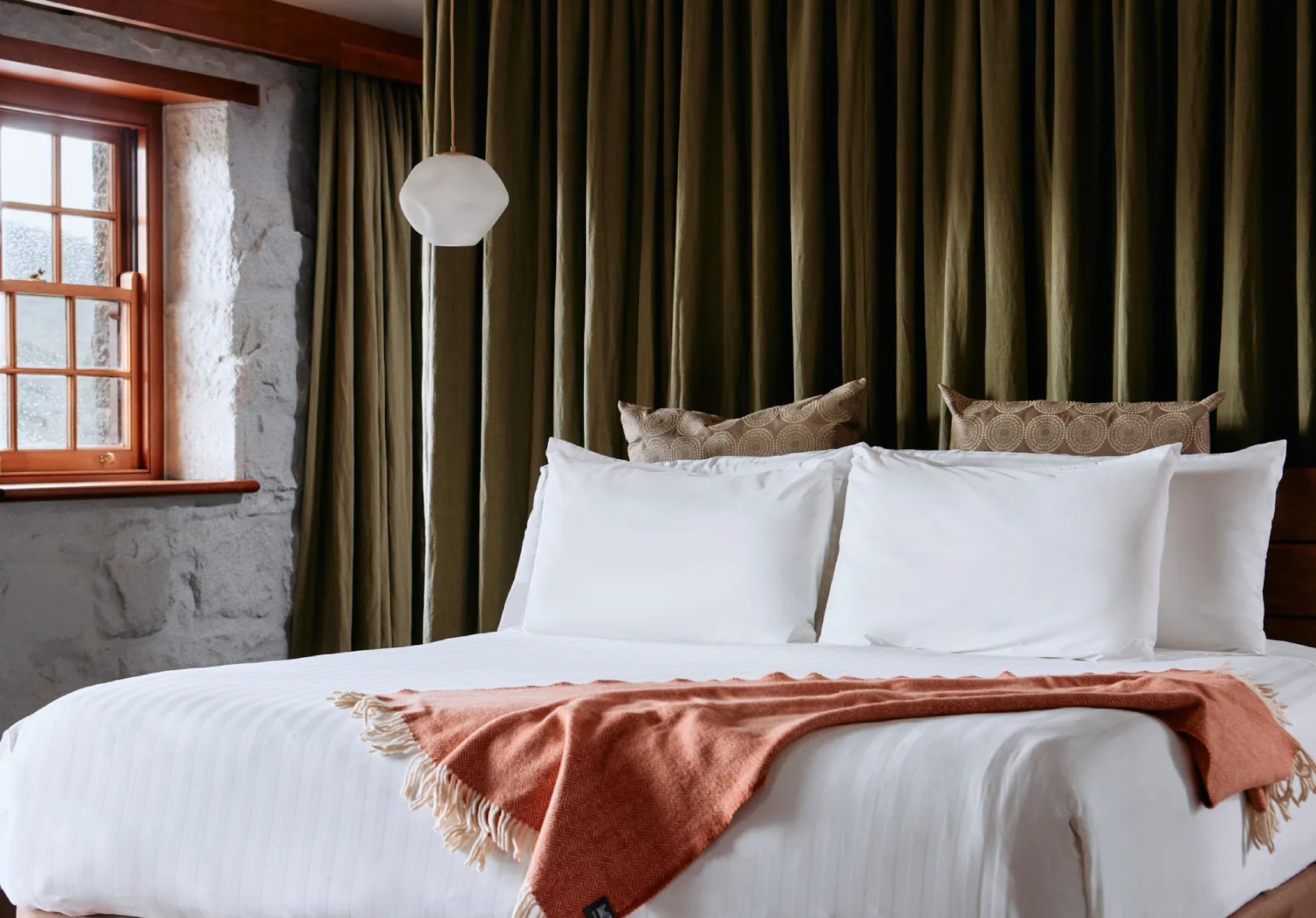
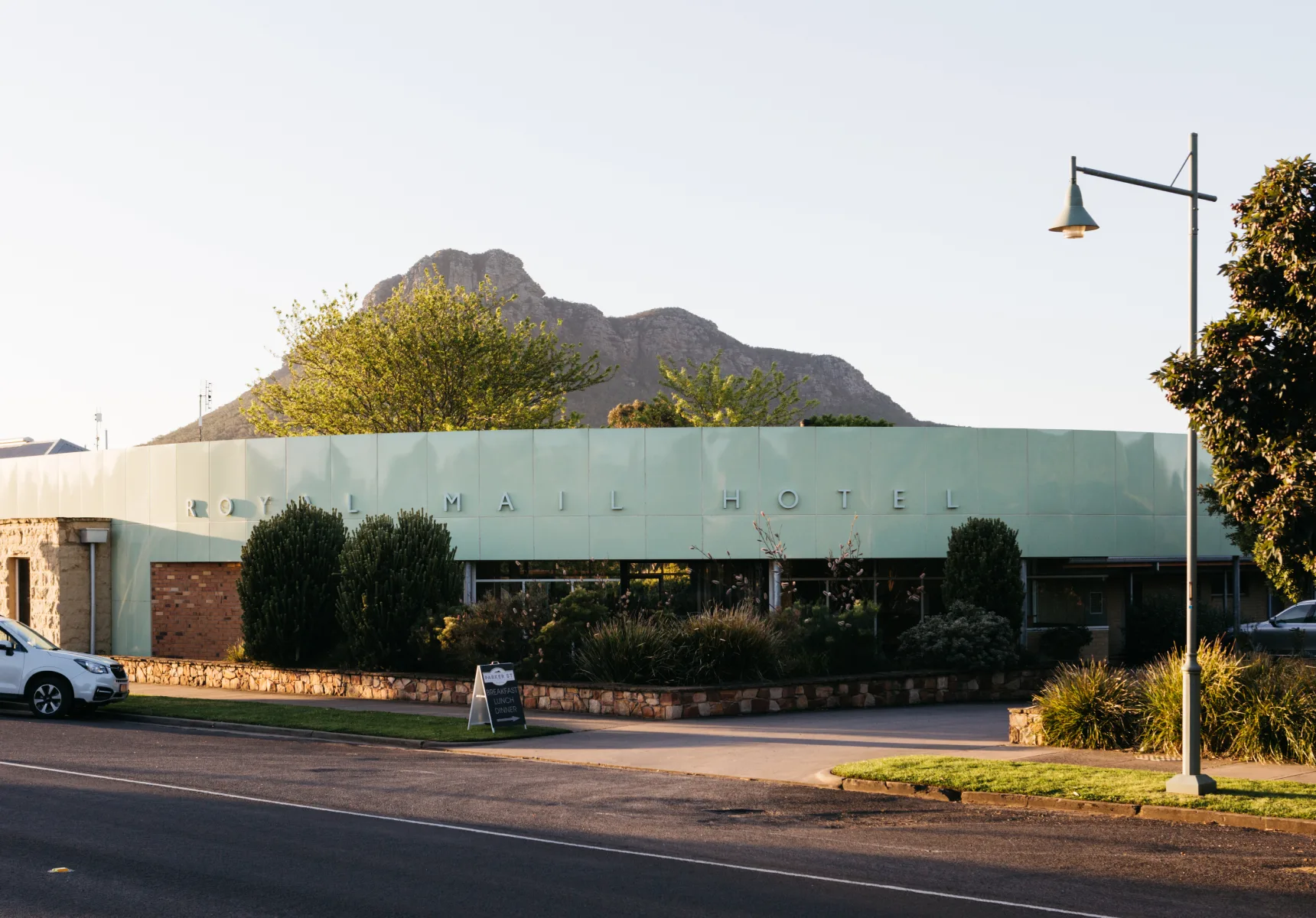
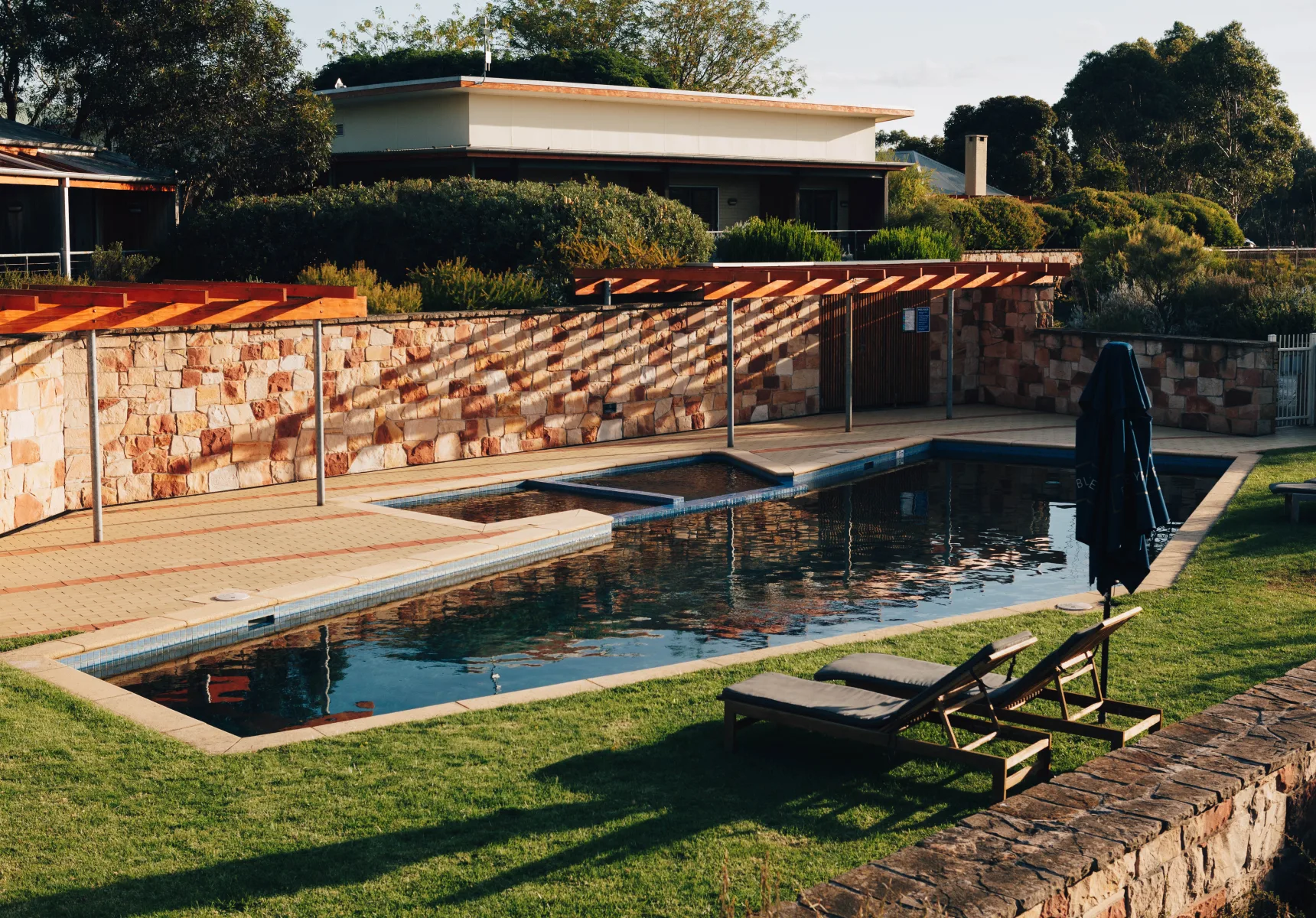
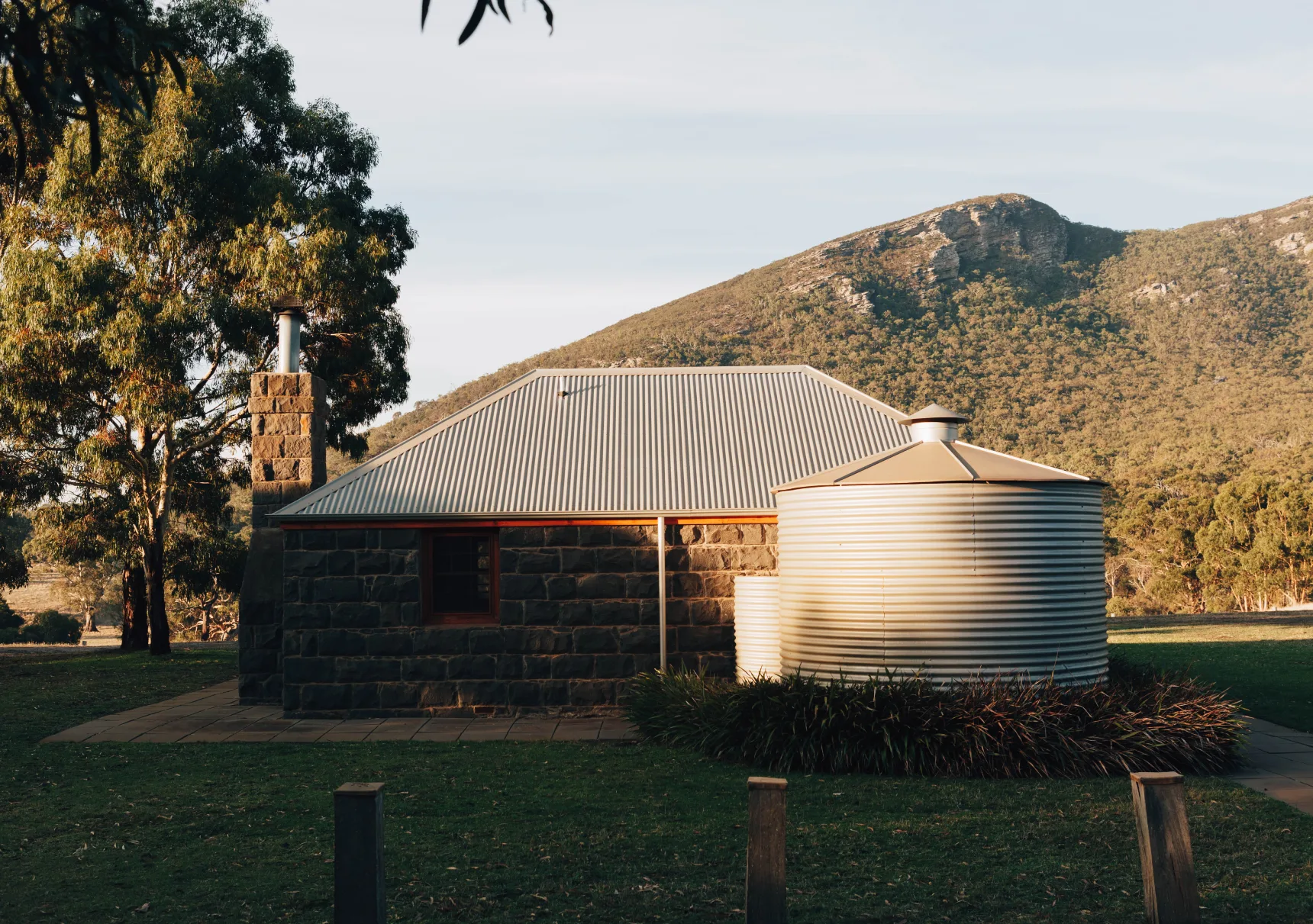
For over two decades, the Royal Mail Hotel in Dunkeld has been recognised as having one of Victoria’s best regional restaurants, both in its current iteration as Wickens at the Royal Mail Hotel, under the confident direction of executive chef Robin Wickens, and as Royal Mail Hotel Dining Room, then under Dan Hunter. With its varied accommodation options – including serene suites, elegantly refurbished bluestone cottages and a grand, six-bedroom homestead which dates to the 1840s – and its unbeatable access to Grampians National Park, its a drawcard for local and international visitors alike.
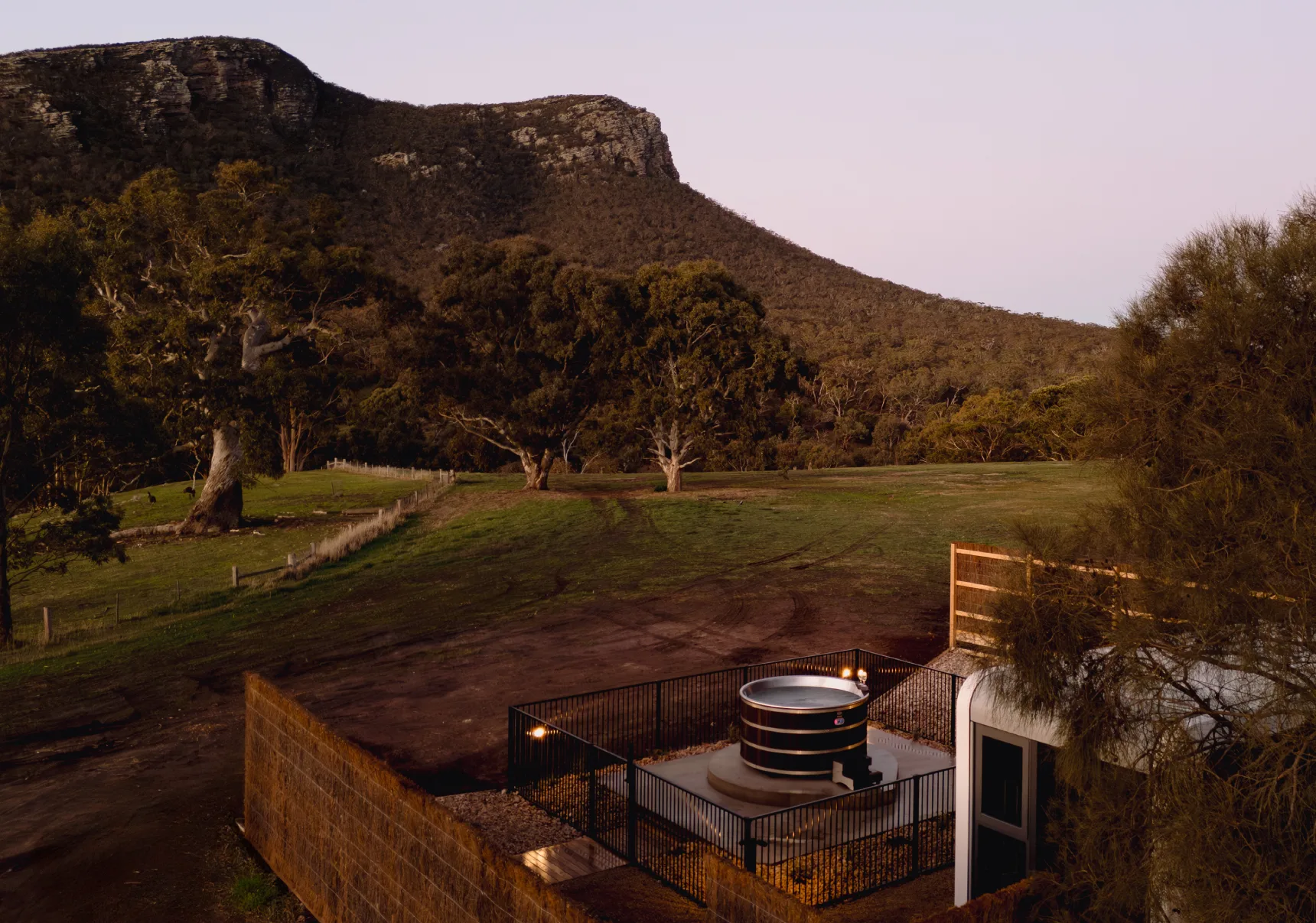
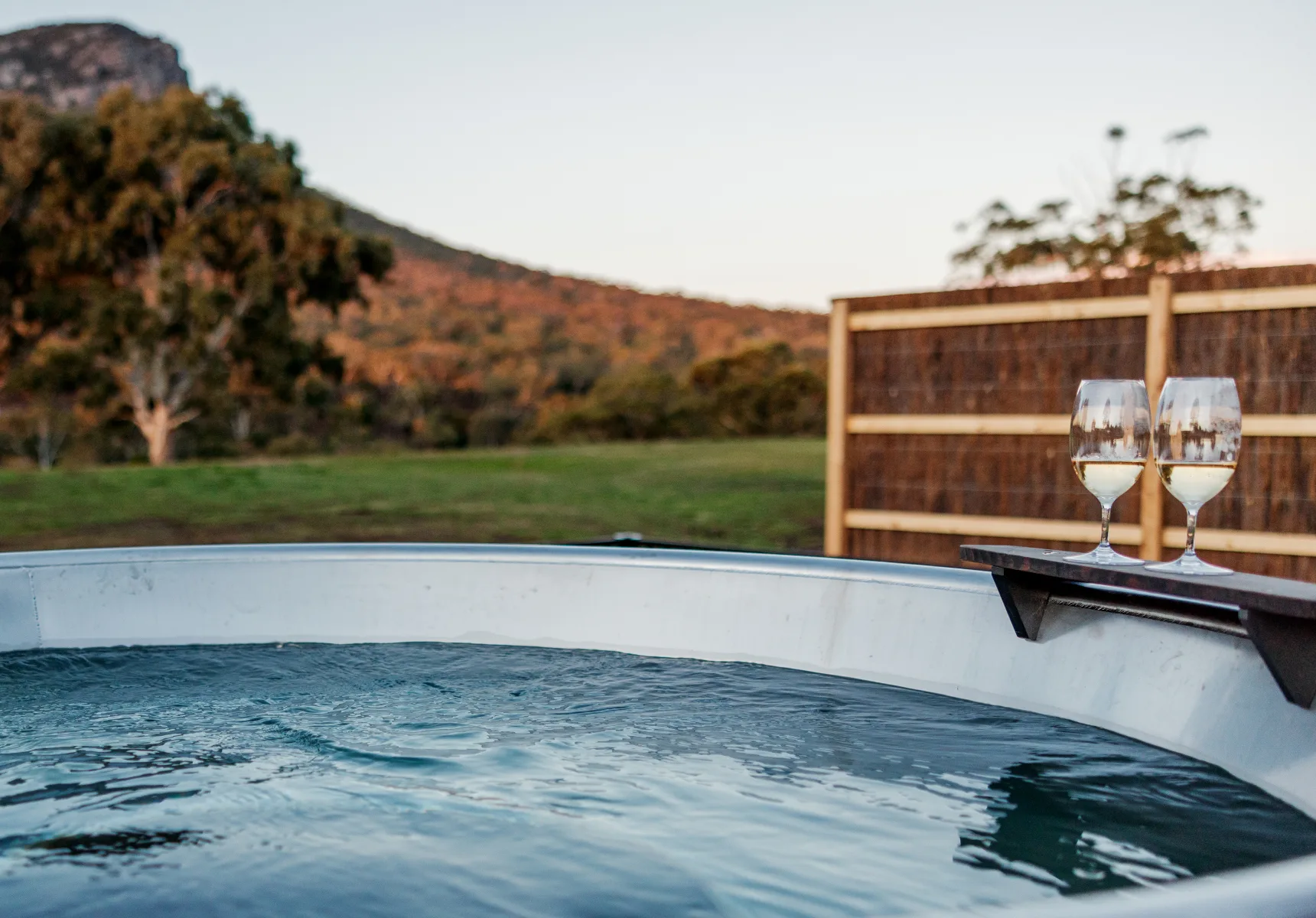
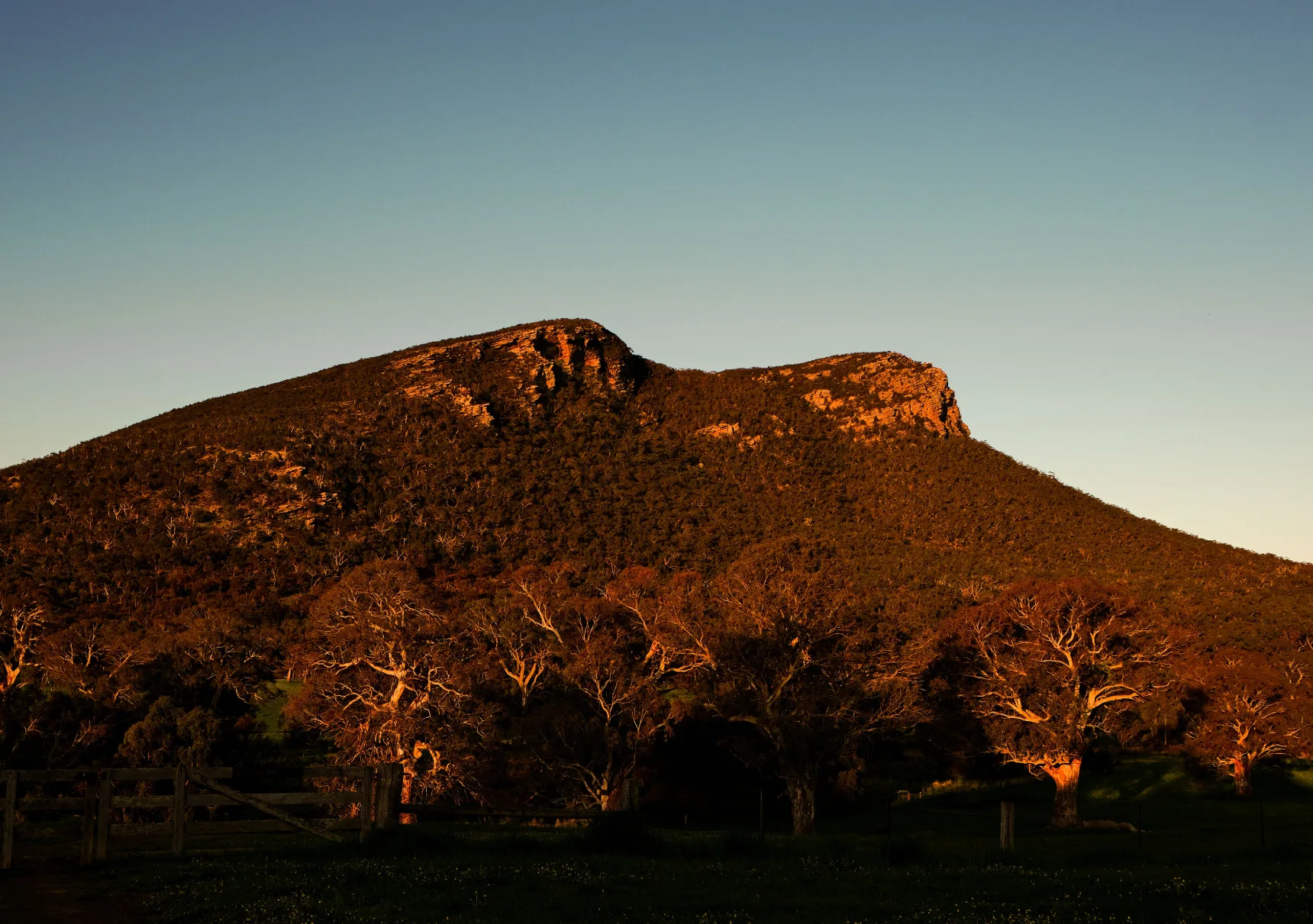
A lesser hotel might coast along on its reputation. But in the last few years, the Royal Mail has quietly been tweaking its offerings to keep in line with the evolving needs of guests. Take for example the introduction of the new outdoor wellness suite, comprising a cedar wood barrel sauna, a large, magnesium-salt hot tub and a cold shower for contrast therapy. Nearby, a compact lounge has a hot shower, a bar stocked with wine and local spirits, and tea made with herbs from the hotel’s kitchen garden. Located on a grassy stretch within the hotel’s biodiversity reserve, the wellness suite is ideal for soothing sore muscles after a long hike or simply resetting from the stresses of everyday life – and with its uncommonly beautiful views of Mount Sturgeon, it’s a place that feels good for the soul, too.
Nature abounds here: red dirt underfoot, shifting weather, the imposing silhouette of the mountain. Wellness doesn’t stop at the spa – here, the immersion in the natural world is part of the restorative offering too. In the Mount Sturgeon Biodiversity Reserve – a sprawling, 95-hectare area home to native wildlife like spotted quolls, bandicoots, wallabies and bettongs – the hotel’s conservation team protects both the endemic trees, shrubs and grasses and native animals who live among them, shielded by a predator-proof fence. Tours can be arranged to see the wildlife up close. You might encounter a brush-tailed rock wallaby (a species capable of climbing trees) or visit the intimate dunnart enclosure, inhabited by the mouse-like marsupial that’s the closest living relative to the thylacine.
About the author
Nadia Bailey is Broadsheet’s travel editor.

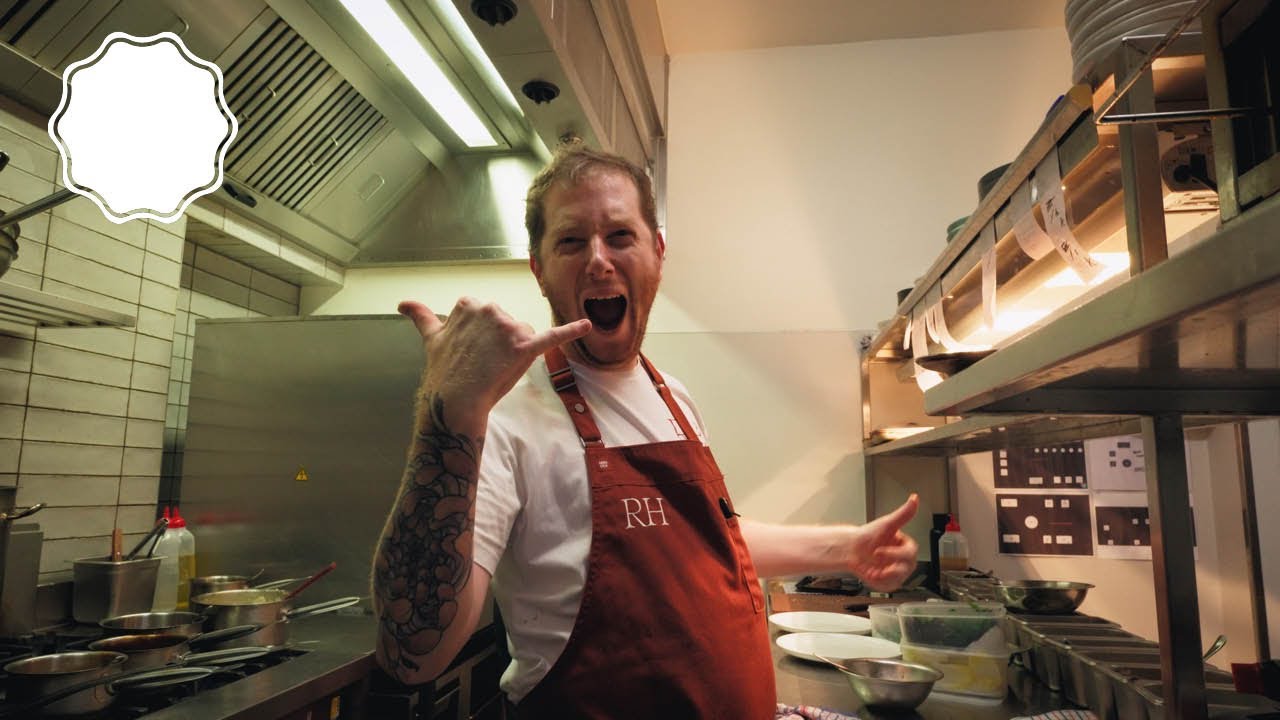
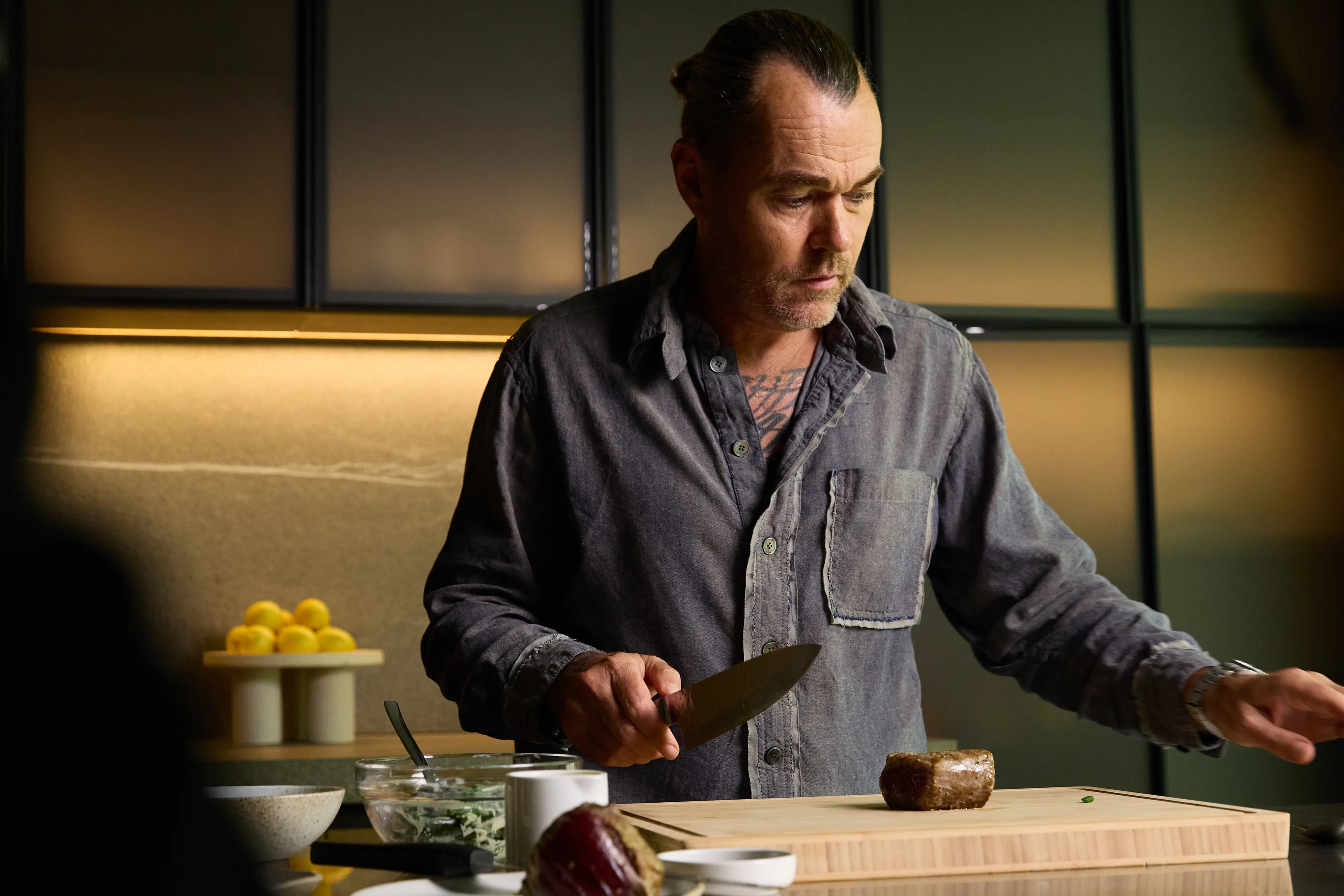
Back at the hotel, Wickens has led the kitchen since 2013; since 2017, he’s had his name on the door at Wickens at the Royal Mail Hotel. This is fine dining done with humour and heart: your meal will start with a snack that resembles a very elevated form of Twisties, vibrantly flavoured with dill, and continue with canapés served on plate 3D-printed in the shape of the hotel’s kitchen garden. Later, you might be served what looks like a miniature carrot growing in soil, revealed to be carrot escabeche with layers of silky hummus and an electric green puree made from the coastal herb alexanders, or an umami-rich tomato consommé served with nasturtium alphabet pasta, cheekily spelling out “WICKENS” (“We spend a lot of time in the kitchen,” says the chef. “We’re just trying to amuse ourselves.”) Wine is drawn from the hotel’s extensive cellar – some 34,000 bottles strong – and service is smooth without being stuffy.
No less exciting is the food at Parker St Project. It has the same DNA as Wickens, with both institutions using produce grown on-site at the market garden. Here, though, the room is louder, more relaxed – it’s a place you can go for a casual drink and some bar snacks, order à la carte or opt for the four-course sharing menu (whichever you choose, don’t miss the glorious handcut chips). A brief, smart cocktail list enlivens the classics with the provenance of the place: a Negroni infused with sage from the kitchen garden, a gin and tonic made with the hotel’s own botanical gin.
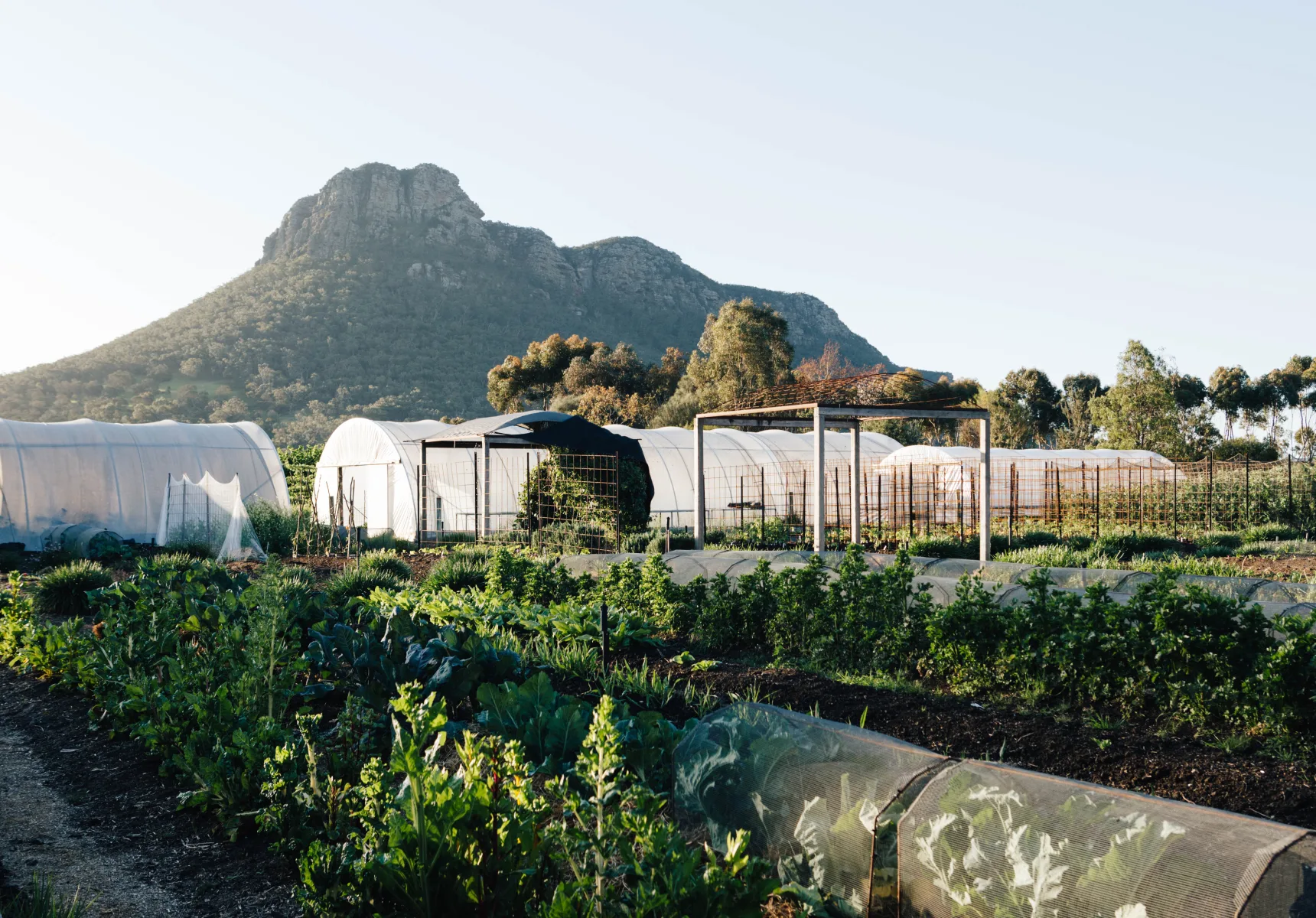
A tour of the kitchen garden, led by Wickens, brings the hotel’s ambitious sustainability practices into focus. About 80 per cent of the produce showcased across the hotel’s restaurants comes from here, grown without herbicides or pesticides. Instead, the team uses a mix of techniques to keep pests at bay: solutions of chilli and rhubarb leaf to ward off aphids, cabbages grown safely inside stockings (a deterrent against moths and other critters), and a team of ducks and chickens that happily eat slugs and fertilise the soil.
With a few exceptions, what can’t be grown isn’t served at the restaurant, resulting in menus that are inventive by necessity. You can’t grow vanilla – sourced from tropical orchids – in the Grampians microclimate but you can grow herbs like meadowsweet and sweet woodruff, which impart a vanilla-like flavour profile. The garden is also a place for experimentation, with recent innovations like the installation of shaded Foodcube garden beds meaning the team can grow produce like wasabi, while an expanded greenhouse program hints at the possibility of pineapples, bananas and more. Produce is picked daily by the chefs who will then transform it in the kitchen – a straight line of connection between the soil and the plate.
The writer stayed as a guest of the Royal Mail Hotel.

More from Broadsheet
Videos
More Guides
Recipes


-6e9e4d4cb1.webp)
-c121bced4e.webp)

-3b308e01c9.webp)