Game on
Fever Pitch: Fashion’s Obsession With Niche Sport
Words by Maggie Zhou · Published on 02 Oct 2026
It’s been almost 30 years since Jil Sander and Puma collaborated on a pair of luxury football sneakers. The sleek leather trainers were one of the first shoe collabs in what became the sportswear-high-fashion crossover craze.
In the early 2000s, many brands and designers followed suit. Yohji Yamamoto and Adidas began their feted collaboration, which continues today.
Of course, the love affair between fashion and sport dates back a lot further than three decades. It’s almost a century since tennis player René Lacoste parlayed the polo shirt into his eponymous fashion brand. Sport loves fashion for its ability to translate team loyalty into something tangible and wearable. Fashion loves sport for its technical functionality and cultural visibility.
For a time, some of Europe’s most vaunted fashion houses designed soccer teams’ off-field kits: Dior for Paris Saint-Germain, Fendi for AS Roma, Giorgio Armani for the national Italian soccer team. Louis Vuitton Moet Hennessy was the creative partner of the Paris 2024 Olympics. Currently, Prada has a relationship with China’s national women’s soccer team, and Louis Vuitton has teamed up with the American NBA.
Adidas has been one of the most prolific players in the designer fashion space: its nostalgia-licked collections with Gucci brought a retro flair to sporty fashion, while a collab with Grace Wales Bonner marked a new era for a mainstream embrace of sporty fashion. In the past decade, Nike has released collections or limited editions with Virgil Abloh’s Off-White, Dior, Comme des Garcons, Jacquemus and even Tiffany & Co.
Now we’re seeing an evolution of the relationship, with an undeniable uptick in niche sports references across fashion. Just think of some of the microtrends we’ve seen in the last few years: blokette, a girlish take on sportswear; balletcore, coquettish ballet-adjacent clothing; horse girl, equestrian-style fashion; and the enduring, almost decade-long gorpcore urban outdoorwear look. Pop culture has also played its part; what Challengers did for tennis, Heated Rivalry and Off Campus did for ice hockey.
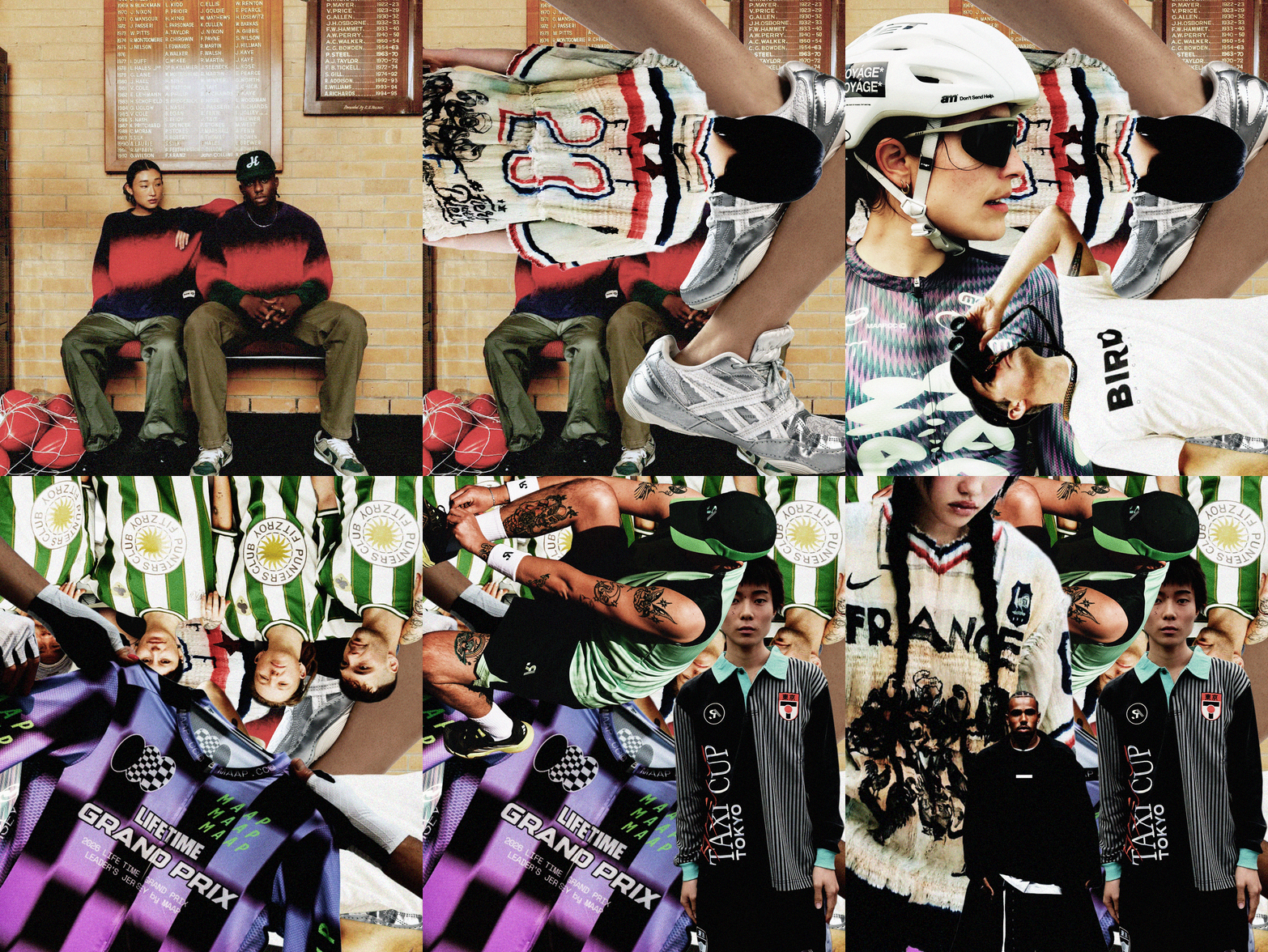
This year, Australian labels MJ Bale and The Upside debuted ski collections, Commas designed bowling shirts with a resortwear look, and bouldering streetwear label Problem Child launched out of Tasmania. New York-based Knickerbocker, which has its only international outpost in Melbourne, partnered with Fitzroy pub The Punters Club on a celebratory World Cup soccer jersey.
“In fashion right now, specificity is rewarded,” says Sydney-based stylist Jana Bartolo. “Referencing a lesser-known sport communicates depth and intention,” as well as building connection to that micro-community, she adds. “Bouldering, skiing and even bowling aesthetics carry creative, community-driven energy, technical luxury or nostalgic irony.”
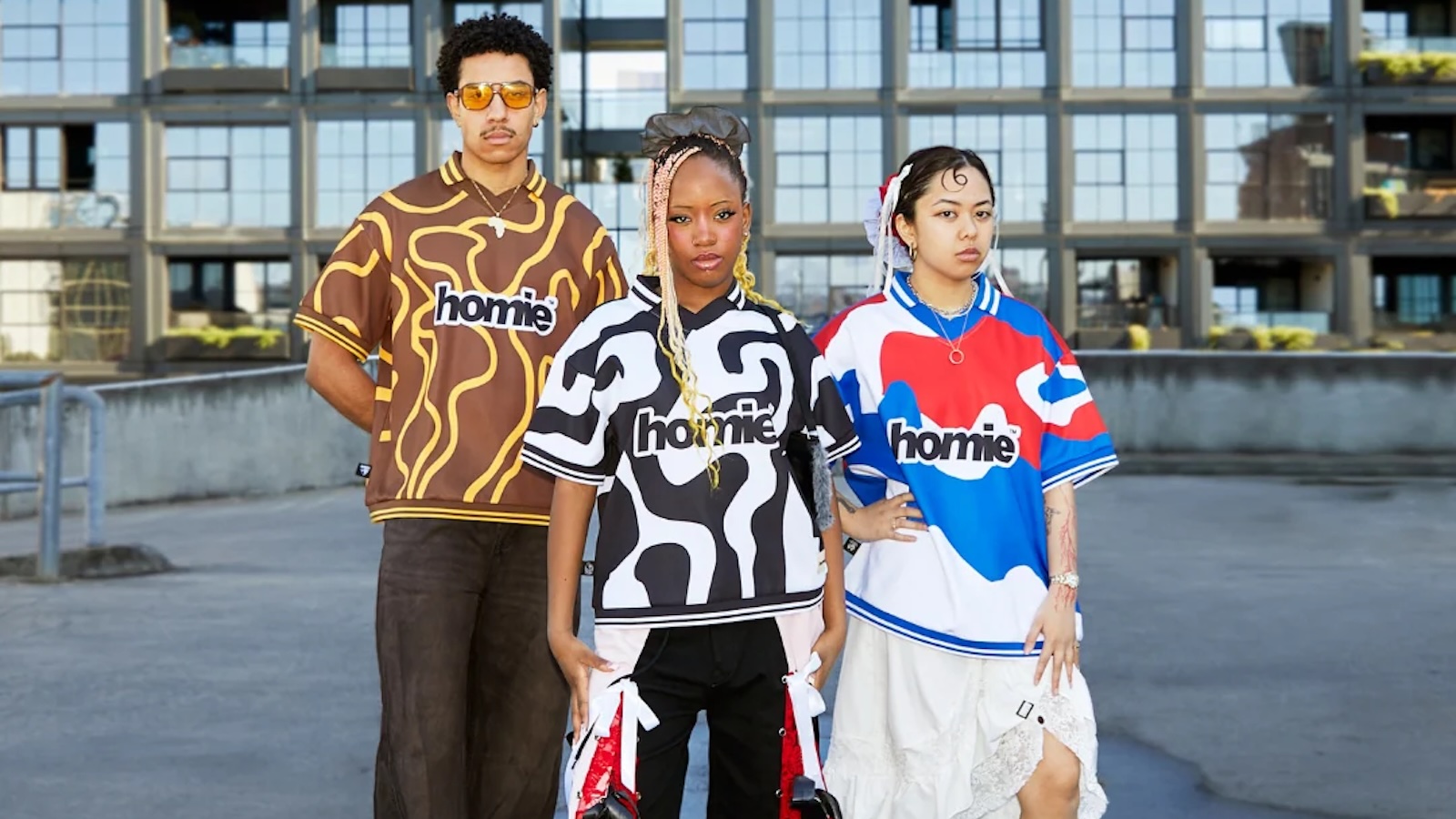
Photo: Courtesy of Homie/Nynno Bel-air
Homie, the not-for-profit Melbourne streetwear label, collaborated with the AFL for the second year in a row in 2026, releasing a collection of nostalgic knits in March that quickly sold out. Strateas Carlucci debuted an AFL capsule as part of Melbourne Fashion Festival, with footy players including Isaac Quaynor and Monique Conti walking the runway in slick tees, windbreakers and hoodies that reimagined AFL fandom in the brand’s androgynous silhouettes. Rodd and Gunn’s signature rugby sweatshirts also got the AFL treatment this year.
Sydney-based designer Ruby Pedder examines sport in her couture practice, fusing its streetwear edge with contemporary silhouettes. “Sporting uniforms have always been about connection – to a team, a sport, a conversation, a sense of belonging. Those instincts are really human,” she says.
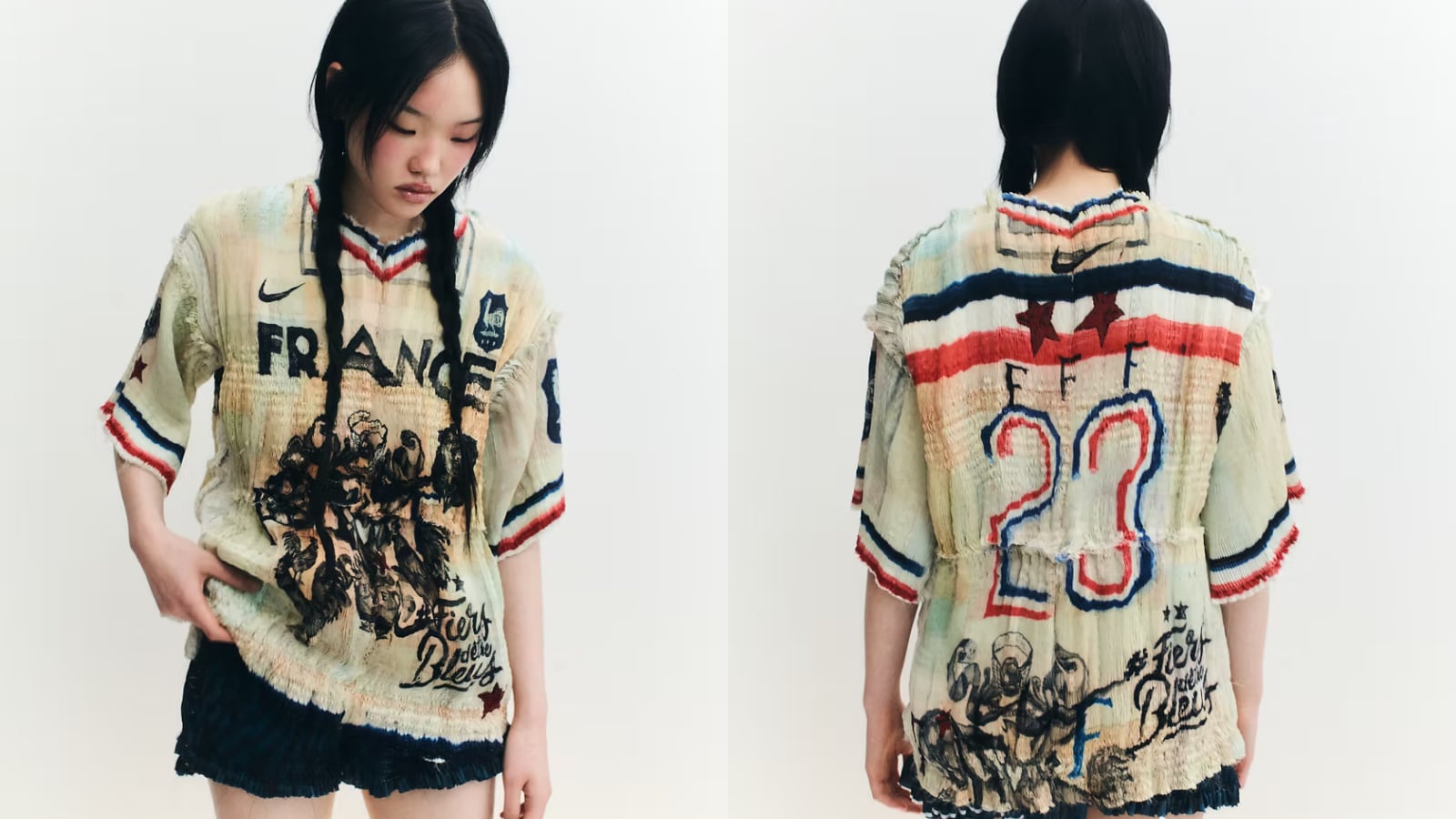
Photo: Courtesy of Ruby Pedder/Blake Azar
In 2023, she worked with Nike for its Fifa Women’s World Cup collaboration. The brand tapped emerging designers around the world to reimagine each nation’s team kit. For France, Pedder hand-drew emblems and used her signature smocking technique – an embroidery style that gathers fabric into tight pleats – in her designs. The resulting couture jerseys were texturally rich, with an undone quality that captured the blurred lines between sport, lifestyle and fashion.
It’s not only Australian designers who are showing interest in an increasingly diverse range of sports. Earlier this year, Onitsuka Tiger teamed up with Versace to rework its tai chi sneakers, unveiled at Versace’s Milan spring-summer show. In June, Dolce & Gabbana joined with sportswear brand Diadora to create its first football boot, a take on its spiked Brasil sneaker. In July, Birkenstock released a ballet-inspired collection with French luxury dancewear label Repetto. In the same month, Asics joined with experimental footwear maker Empty Behaviour on a collection inspired by classical dance and wrestling.
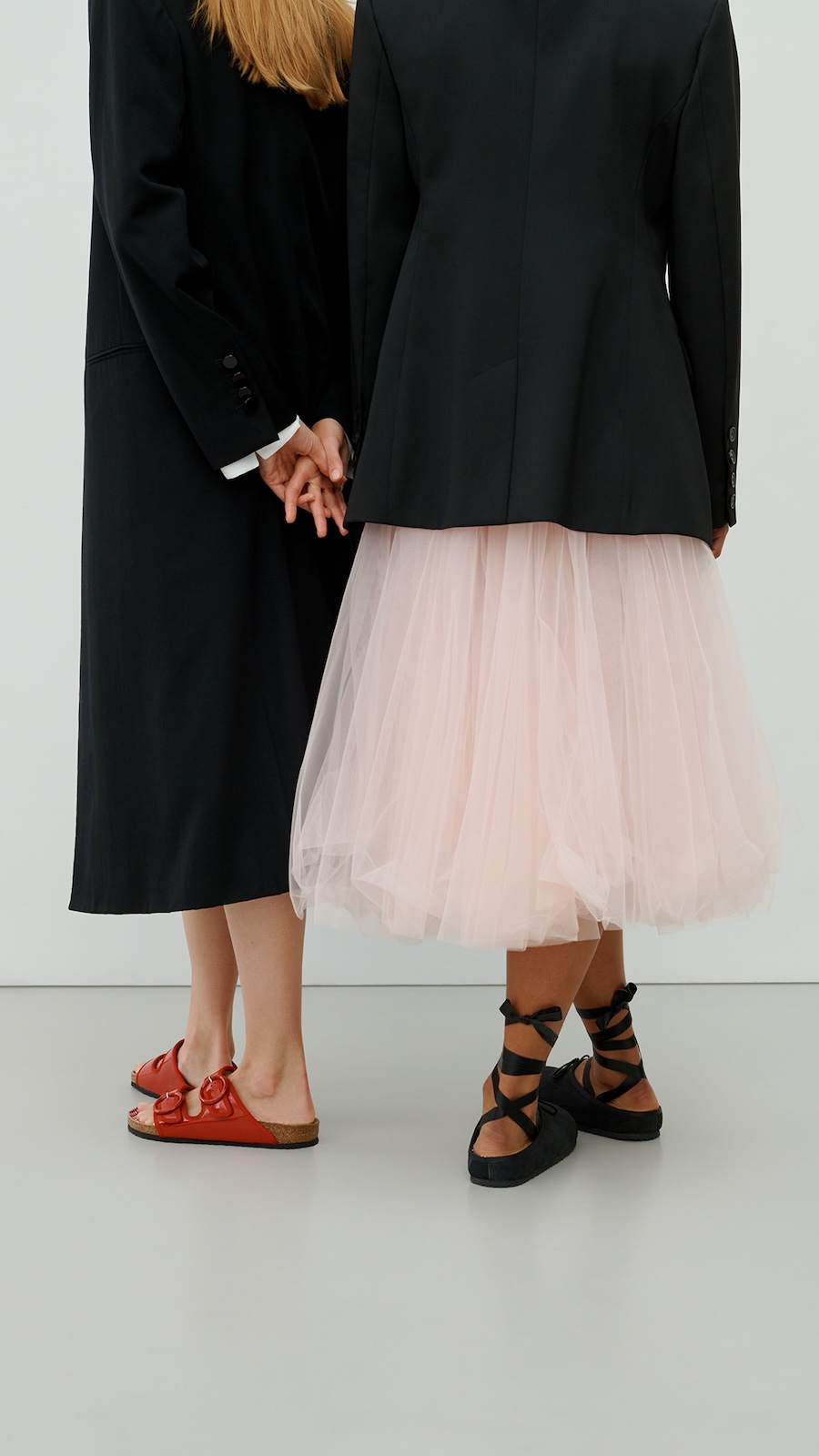
Photo: Courtesy of Birkenstock/Sophie Tajan
At the same time, we’re seeing traditional sportswear labels become a deliberate fashion choice – shoppers are going direct to the source.
“[Consumers] don’t just want the look of sport anymore; they want the product with the genuine performance story behind it. That authenticity has become part of the appeal, so they know the difference between something that just looks sporty and something with genuine function,” Bartolo says.
Twelve-year-old Melbourne cycling label Maap has “on bike” and “off bike” collections, acknowledging those with a desire to signify connection with the sport, even if they’re not actively participating. Same goes for golf-inspired Melbourne fashion label Found Golf. Its focus isn’t top-performing golf gear, but embracing the “creative culture” of golf, according to its website.
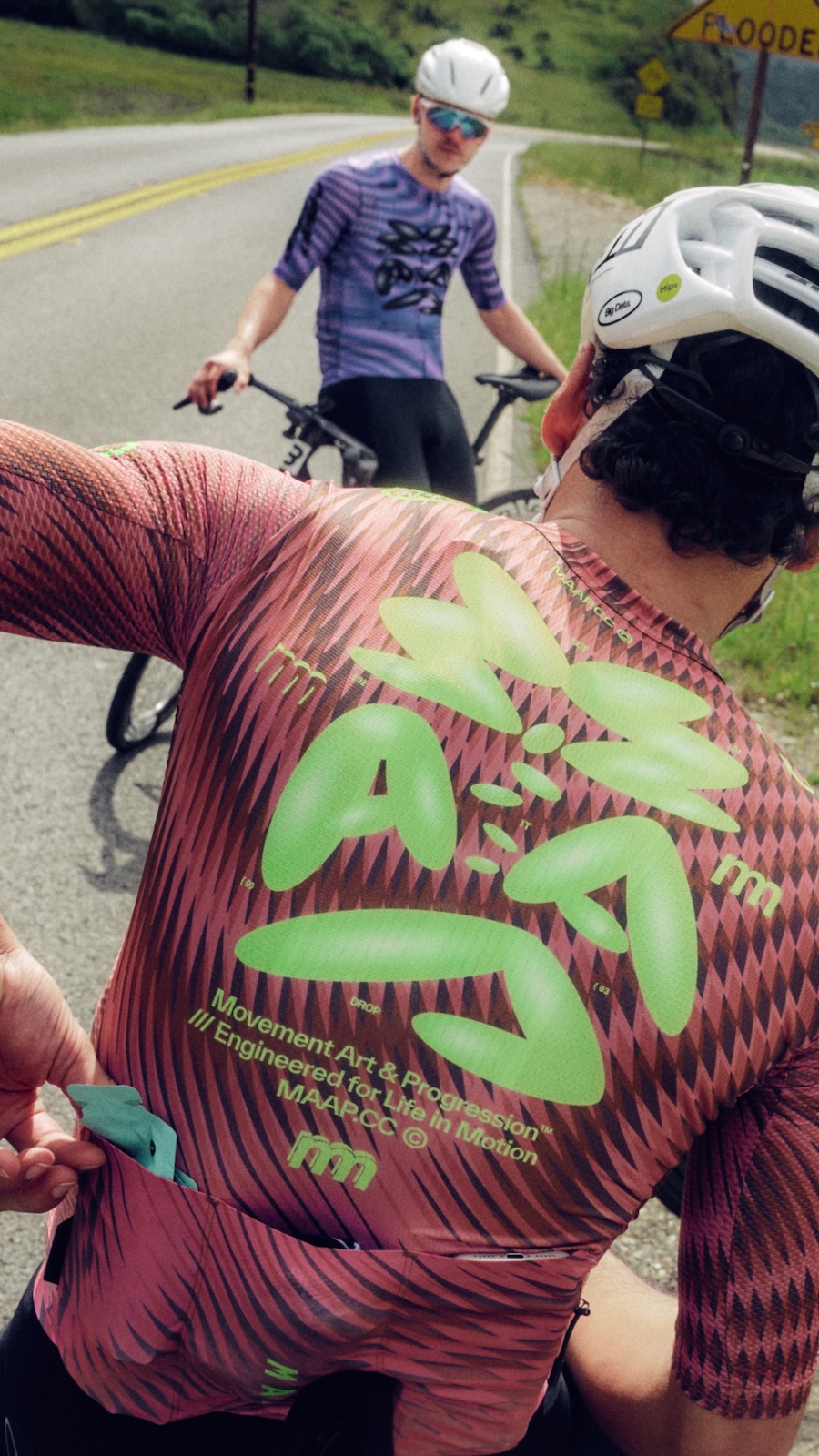
Photo: Courtesy of Maap
Melbourne label R Sport makes apparel for soccer, running, tennis and other sports. One arm of the business is its custom team apparel, where it creates match kits, training gear, outerwear and accessories for sports teams.
While enquiries for mainstream sports are the most common to hit its desk, R Sport founder Anthony Puliatti says more niche clubs are reaching out. Squash, ultimate frisbee, padel and tenpin bowling groups have been in touch, looking for sportswear that reflects their team’s personality and style.
“What I’ve really noticed more is the subculture of sport … I think people really like feeling like they’re representing something,” Puliatti says. “Jerseys have become a bit like the new versions of the band T-shirt,” R Sport designer Jasper Pittard says.
Lyfer is a Melbourne outdoor lifestyle brand created for birdwatchers. While birdwatching, which can be competitive and involve long hikes or treks, isn’t typically thought of as a sport, Lyfer co-founder James Lambrou says people want to show off their hobby with pride.
“Niche activities like birdwatching offer that sense of belonging to something more considered and more personal,” he says. “They’re looking for apparel and accessories that reflect who they are, [shaking] off the outdated preconceptions that it’s all about khaki overalls and camouflage hats.”
Professional athletes have the same desire to break out of their typical outfits, but in the other direction. The Melbourne Demons has become the first AFL team to ditch the requirement for players to wear uniforms when arriving at the ground before the game. Taking a leaf out of the NBA’s tunnel fits book, players can now show off their personal wardrobes before getting their kit on.
Although she plays a different football code, Matildas goalkeeper Mackenzie Arnold is all in favour of the move. “It’s such a fun way to be able to represent yourself and show you’re more than just an athlete.”
About the author
Related Content
-063f6a0dd3.gif)